Heartbroken Mother’s Final Regret: Last Fight with Auburn Student Weston Before His Tragic Death in Japan Mountains.
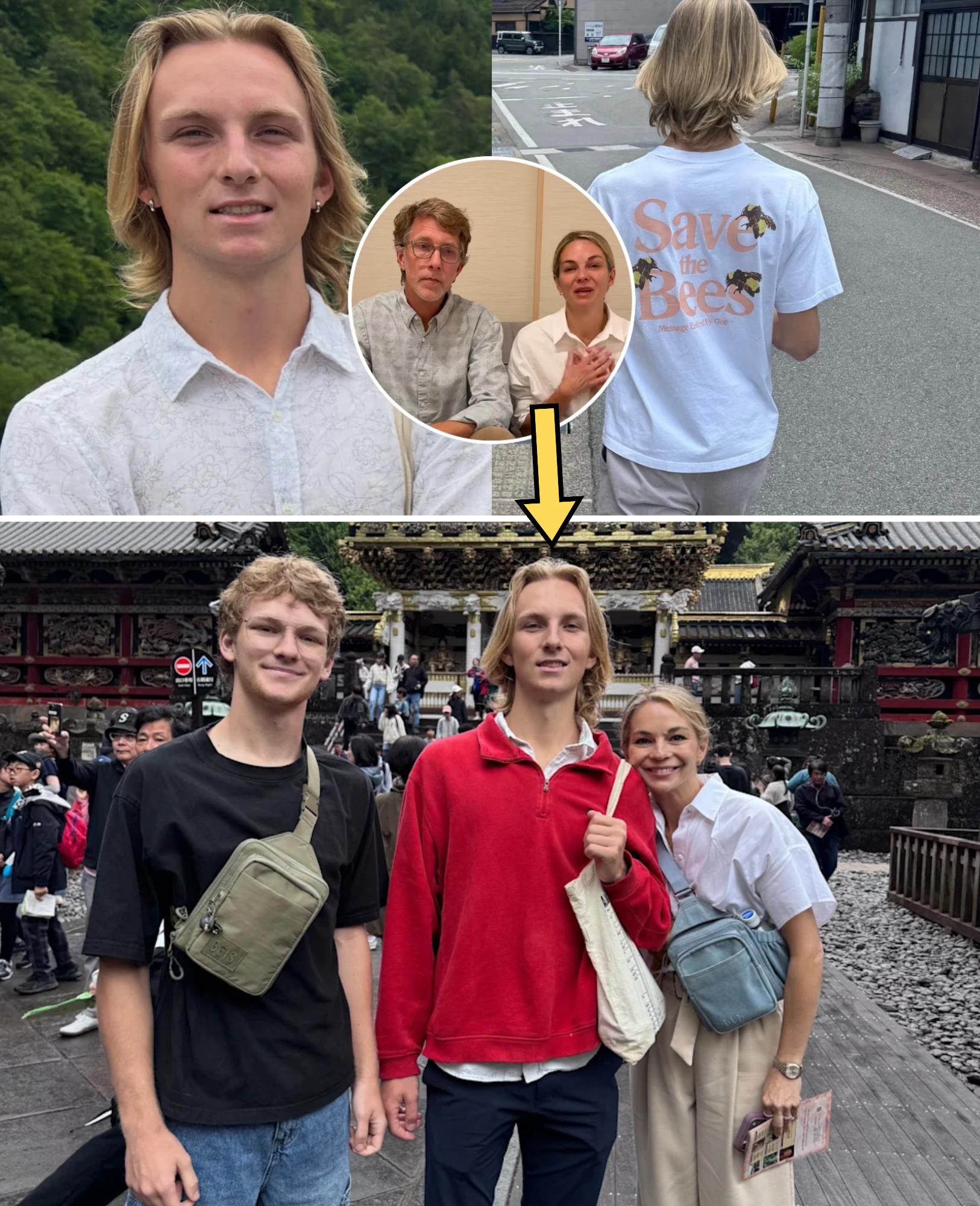
The heartbreaking disappearance of 20-year-old Auburn University student James “Weston” Higginbotham has left his family devastated, with his mother Nancy now publicly sharing deep regrets over their final argument just days before he vanished during a family trip to Japan. What began as a joyful celebration quickly spiraled into tragedy, culminating in the discovery of Weston’s body and raising painful questions about a young man’s hidden struggles.
Weston, a passionate biosystems engineering junior known for his strong environmental values and love of the outdoors, was traveling with his parents Nancy and Keith Higginbotham in late May 2026. The trip to Kyoto was meant to honor academic milestones, including his younger brother’s graduation. However, tensions surfaced when Nancy used ChatGPT to help navigate the unfamiliar city. For Weston, who viewed AI as environmentally destructive due to its high water and energy consumption, this became a flashpoint.
Nancy later described the disagreement as a “dumb, dumb argument” – one she now deeply regrets. Weston, frustrated, walked away to get some space. He took a train to Yamashina Station, explored alone, made a purchase at a hardware store, and turned off his phone’s location. That was the last time his family saw him. CCTV captured him at the station around 8:15 p.m. on May 29 before his digital trail went silent.
Intensive searches involving police, volunteers, dogs, and helicopters were hampered by typhoon conditions and rugged terrain. Tragically, on June 6, a volunteer team discovered Weston’s body in a forested mountainous area outside Kyoto. Authorities have ruled out foul play, with the cause of death still under investigation. The family is mourning an unimaginable loss while grappling with the “what ifs.”
In emotional interviews, Nancy has opened up about checking her son’s laptop and digital history in the days leading up to the trip. She revealed concerning interactions with ChatGPT and browser searches that hinted at deeper emotional distress. These details have left her questioning whether the argument was the tipping point or if unseen struggles were already weighing heavily on Weston. “I wish I could take back those words,” she shared, her voice filled with regret.
Friends described Weston as someone who found peace in nature, making his solo hike into the wilderness somewhat in character. Yet the timing of the family disagreement, combined with his decision to isolate, has fueled reflections on mental health pressures facing young adults passionate about global issues like sustainability and technology ethics. His anti-AI stance stemmed from genuine academic concern rather than casual opinion.
The tragedy has sparked wider conversations about family conflicts, the role of digital tools in emotional crises, and the importance of recognizing subtle signs of distress. Nancy emphasized that the family largely shared Weston’s principles and rarely relied on AI, making the escalation during what should have been a happy trip all the more painful. She has urged other parents to prioritize open dialogue and seek help early.
Weston’s passion for sustainability engineering highlighted his bright future and commitment to a better planet. His loss serves as a somber reminder of how quickly life can change and the hidden battles many young people fight silently. As details of his final days emerge, including the ChatGPT history, Nancy’s public sharing reflects a mother’s desperate search for understanding and a desire to prevent similar heartbreaks.
Search efforts were emotionally taxing, with over 100 officers and international volunteers combing difficult trails. Auburn University extended condolences, honoring Weston’s contributions to campus life. The Higginbotham family has thanked supporters while requesting privacy as they process their grief. Nancy’s statement captured the family’s pain: losing their “sweet, precious Weston” has left an irreplaceable void.
This case underscores vulnerabilities among college students balancing ideals with real-world pressures. The argument over something as seemingly minor as AI use became a catalyst, but underlying factors may have contributed. Experts note that family disagreements, especially on trips, can escalate rapidly when combined with travel stress and personal challenges.
As authorities finalize reports, Nancy continues advocating for mental health awareness. Her regrets over the last fight serve as a poignant message: cherish every moment and address tensions before they grow. The mountains of Japan claimed a promising young life, but Weston’s story and his mother’s courage in sharing it may help others recognize warning signs sooner.
The family’s journey through shock, search, and now mourning highlights the enduring power of love amid tragedy. While answers may never fully ease the pain, Nancy’s willingness to speak openly transforms personal loss into a broader call for compassion, communication, and support for young people navigating complex emotions. Weston’s legacy of environmental passion lives on, inspiring those who knew him and those learning about his story.