Karmelo Anthony Avoids Eye Contact as Austin Metcalf’s Twin Brother Hunter Delivers Devastating 6-Word Rebuke in Court.
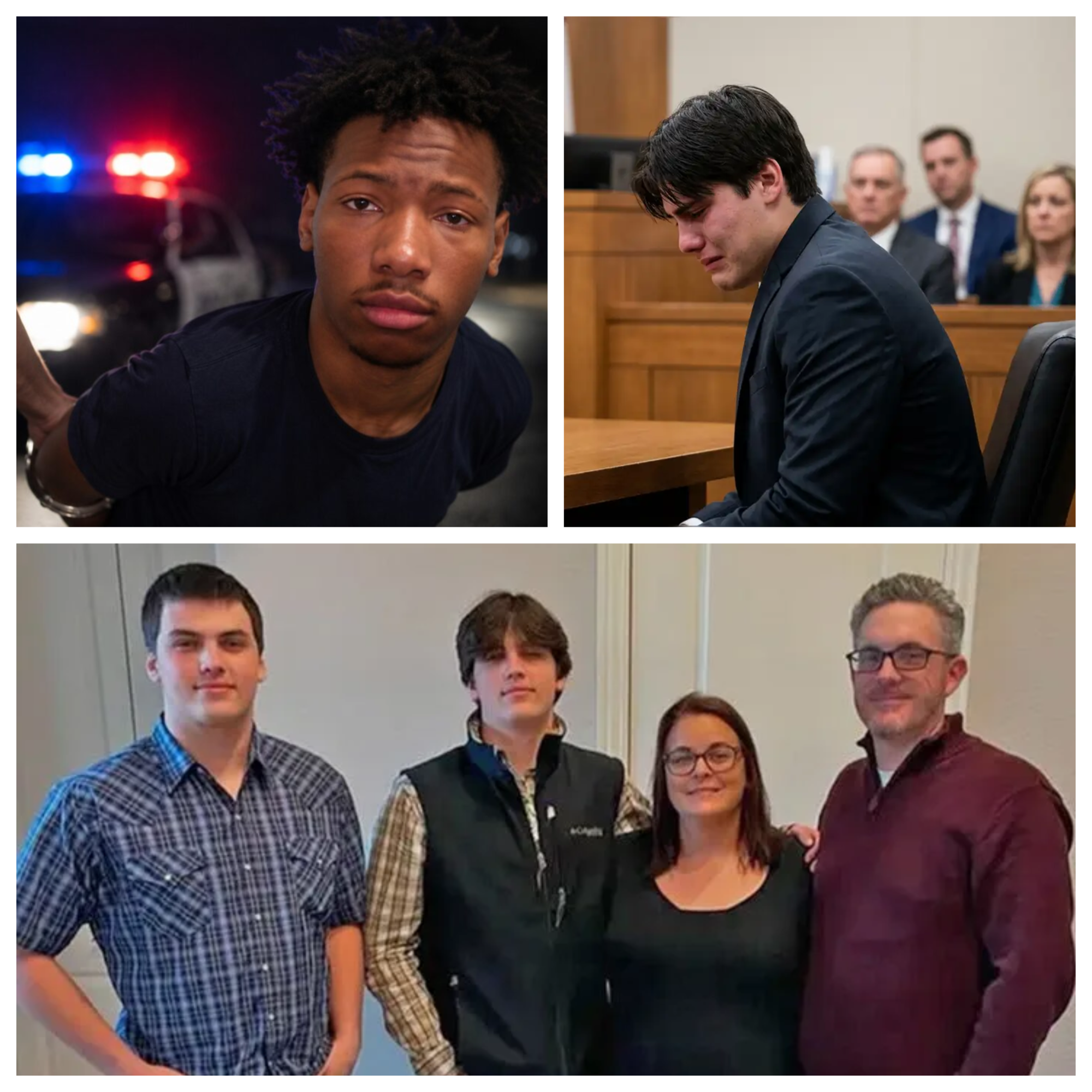
The tension in the Collin County courtroom was palpable as the Metcalf family delivered powerful victim impact statements following Karmelo Anthony’s sentencing to 35 years for the first-degree murder of 17-year-old Austin Metcalf. In one of the most memorable and painful moments, Austin’s identical twin brother Hunter Metcalf looked directly at Anthony and delivered a stinging six-word rebuke: “Eventually your name will be forgotten.”
Hunter, who shared an incredibly close bond with his brother — born just minutes apart — struggled to maintain composure as he spoke. He demanded that Anthony look him in the eyes, saying, “You took a son, a brother, a friend, my best friend from this world. You took someone away from me who was supposed to be an uncle to my kids… Now I want everything taken from you.” His words contrasted the lasting legacy of Austin’s bright, promising life with the inevitable fading of Anthony’s name, delivering a profound psychological blow in the wake of the April 2, 2025, stabbing at a Memorial High School track meet in Frisco, Texas.
Throughout the statements, Anthony reportedly kept his head bowed and avoided making eye contact with Austin’s devastated loved ones. Observers described his demeanor as detached and lacking visible remorse, which only intensified the family’s pain and the public’s outrage. This cold attitude stood in stark contrast to the raw emotion pouring from Austin’s parents and twin brother.
Austin’s father, Jeff Metcalf, addressed the loss of his son’s future and the empty space left in their family. His mother, Meghan, delivered an especially poignant message, telling Anthony he should feel “lucky” to receive 35 years because she had been handed a “life sentence without my son.” The family painted a vivid picture of a vibrant young man — a dedicated student-athlete whose life was violently cut short during what should have been a normal day of competition turned deadly by a rain delay confrontation.
Hunter’s statement carried unique weight because of the twin connection. The brothers had shared everything — dreams, sports, daily life — and Hunter spoke not only of immediate grief but of all the future milestones stolen from them: birthdays, weddings, becoming uncles together. His direct challenge to Anthony to face him underscored the family’s need for accountability and human connection even in the darkest moment.
The sentencing on June 10, 2026, followed a swift jury conviction after less than three hours of deliberation. Anthony had claimed self-defense after being repeatedly asked to leave the event because he was not a student at the school. The jury rejected that narrative, convicting him of murder rather than lesser charges. Anthony’s family maintains his innocence and has filed a notice of appeal, but the Metcalfs remain focused on honoring Austin and seeking peace.
This courtroom exchange has resonated deeply online and in the community, sparking discussions about youth violence, the power of victim voices, and the long-lasting impact of a single violent act. Austin was remembered as a kind, athletic young man with a bright future ahead, while Hunter’s words ensured that his brother’s memory would endure far beyond the legal proceedings.
As the Metcalf family begins the difficult journey of healing, they continue to advocate for awareness around school safety and conflict resolution. Community support has been strong, with tributes highlighting Austin’s positive influence on those around him. Hunter’s rebuke serves as both a personal farewell to his twin and a broader message about consequences and remembrance.
The contrast between the Metcalfs’ profound grief and Anthony’s averted gaze has fueled criticism of his apparent lack of remorse. Legal experts note that while victim impact statements do not change the sentence, they provide essential closure and allow families to reclaim their narrative in the justice process. In this case, they humanized the devastating loss and highlighted the irreversible damage caused by the stabbing.
For the Metcalf family, the loss of one twin has left an irreplaceable void. Hunter’s words captured the unique pain of losing the person who was essentially his other half. As Anthony serves his sentence and appeals the conviction, the Metcalfs will focus on preserving Austin’s legacy through memories, advocacy, and supporting other families facing similar tragedies.
This case continues to serve as a sobering reminder of how quickly a dispute at a school event can escalate with fatal results. It also underscores the importance of mental health resources, de-escalation training, and community vigilance. While Anthony’s legal team prepares for the next steps, the Metcalf family’s strength in the courtroom has earned widespread admiration and calls for greater prevention efforts.
In the end, Hunter Metcalf’s six-word message encapsulated the family’s enduring pain and resilience: Austin’s name and spirit will live on, while the perpetrator’s actions will not define the future. The courtroom moment will remain etched in the memories of all who followed this tragic story, serving as a powerful testament to love, loss, and the quest for justice.