Grisly Discovery of Skeletonized Nuclear Lab Worker Sparks Foul Play Suspicions and Questions About Los Alamos Secrets.
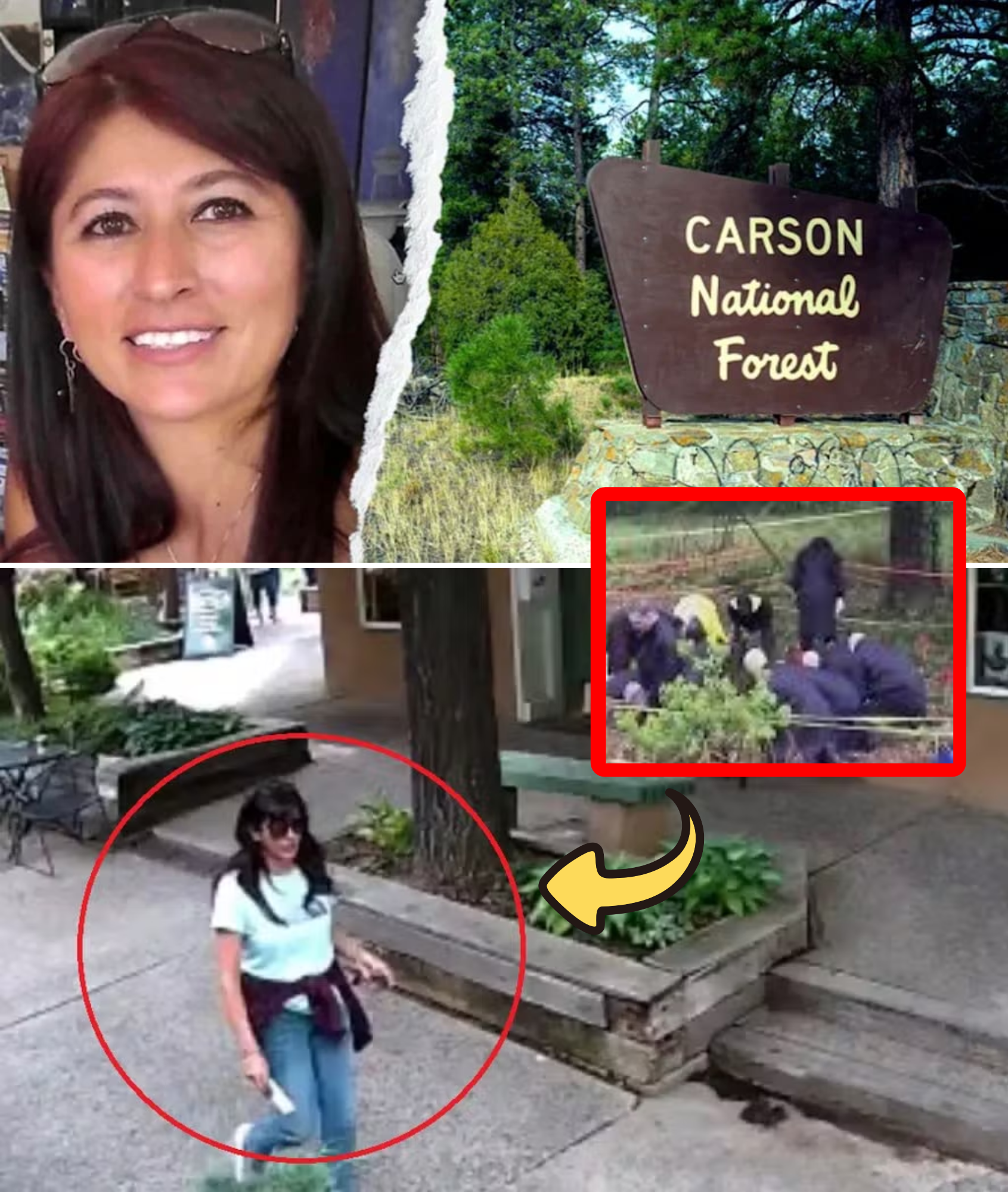
The mysterious disappearance and gruesome discovery of Melissa Casias has sent ripples of concern through scientific communities and the public alike. The 54-year-old administrative assistant at the prestigious Los Alamos National Laboratory vanished without a trace in June 2025, only for her skeletonized remains to be found nearly a year later in a remote area of New Mexico’s Carson National Forest. What began as a missing person case has evolved into a chilling investigation filled with unanswered questions, potential foul play, and whispers of deeper conspiracies surrounding America’s nuclear research facilities.
Casias was last seen on June 26, 2025, leaving her home in Ranchos de Taos, a quiet community about 70 miles northeast of Santa Fe. In a puzzling detail that has fueled speculation, she reportedly wiped all data from her phones before abandoning them, along with her identification and personal belongings, at home. She walked out and was never seen alive again. Her sudden departure left family and colleagues stunned, as she was known as a dedicated mother of one with no apparent signs of distress that would suggest voluntary disappearance.
On May 28, 2026, a hiker made the grim discovery in the McGaffey Ridge area of Carson National Forest, roughly six miles from Casias’ home. Her remains were found propped up in a seated position against a tree, with a handgun lying nearby. Medical examiners confirmed a gunshot wound to the skull. The body was described as fully “skeletonized,” yet remarkably showed no signs of animal scavenging or significant disturbance despite nearly a year exposed in the wilderness. This unusual preservation has only deepened the mystery.
Thomas McNally, a former homicide detective hired by Casias’ family, spoke candidly about the case. He firmly believes foul play was involved and has hinted at plans for a civil lawsuit against the New Mexico State Police, accusing them of mishandling the investigation from the start. The positioning of the body and the lack of environmental interference raise serious doubts about the official narrative, leading many to question whether the scene was staged or if external factors prevented normal decomposition processes.
Casias worked in an administrative capacity at Los Alamos National Laboratory, a facility with deep historical roots in the Manhattan Project and ongoing critical research into nuclear weapons, energy, and national security. While she was not a lead scientist, her role provided access to sensitive environments, adding another layer of intrigue to her disappearance. In recent years, Los Alamos and similar institutions have faced increased scrutiny amid reports of missing or deceased researchers working on classified projects. Casias’ case has now joined a growing list that some observers find too coincidental to ignore.
The discovery has reignited broader discussions about the safety and security of personnel at high-stakes government labs. Some online theories have linked her death to larger patterns involving scientists with knowledge of advanced technologies, though authorities have not confirmed any connection to espionage, internal threats, or external interference. The presence of the gun suggests suicide at first glance, but the remote location, cleaned phones, and pristine condition of the remains have led investigators and family members to push for a deeper probe.
Friends and family describe Casias as a stable, loving individual with no history of mental health crises that would align with suicide. Her decision to erase digital records before vanishing strikes many as out of character, prompting questions about whether she was fleeing danger or being coerced. The remote forest location, while accessible by foot from her home, is not a typical spot for someone seeking isolation in despair.
New Mexico authorities have remained relatively tight-lipped, confirming only the identification of the remains and the cause of death as a gunshot wound. The medical investigator’s office positively identified Casias through forensic means, but full autopsy details have not been publicly released. This lack of transparency has frustrated the family and fueled public speculation. McNally and the family are reportedly preparing legal action to force greater accountability from law enforcement.
The Los Alamos connection cannot be overlooked. The laboratory has long been a hub for groundbreaking yet highly classified work. Past incidents involving personnel have occasionally raised national security concerns, ranging from data breaches to unexplained deaths. While no direct evidence ties Casias’ case to these broader issues, the timing and circumstances have prompted some lawmakers and researchers to call for a federal review of scientist safety protocols across multiple facilities.
Public interest in the case has surged since the news broke, with true crime enthusiasts and conspiracy researchers dissecting every available detail. Social media platforms buzz with theories ranging from workplace harassment to involvement in sensitive projects that made her a target. Others point to the possibility of a personal dispute that escalated fatally. The absence of animal activity on the remains has particularly captured attention, with some suggesting environmental anomalies or deliberate interference.
As the investigation continues, Casias’ family seeks answers and justice. Her role as a mother adds a heartbreaking human element to the story, reminding everyone of the personal toll behind headlines involving national labs. The scientific community also watches closely, concerned about the message this sends to those working in high-pressure, high-secrecy environments.
Experts emphasize that while suicide remains a possibility, the anomalies demand thorough examination. Advanced forensic techniques, including analysis of the gun, ballistics, and any trace evidence on the remains, could provide crucial clarity. Digital forensics on the wiped phones may yet yield information if recoverable data exists.
This case highlights vulnerabilities in both personal security and institutional oversight. For a nation reliant on its scientific workforce for defense and innovation, the unexplained loss of even an administrative staff member at a key facility warrants serious attention. As more details emerge, the story of Melissa Casias serves as a sobering reminder of how quickly ordinary lives can intersect with extraordinary circumstances.
The coming weeks may bring new revelations as the civil suit progresses and authorities respond to mounting pressure. Until then, the skeletonized remains found against that lonely tree continue to pose more questions than answers in a mystery that refuses to stay buried.