From Seoul Heartbreak to American Chaos: How XO, Kitty Season 3’s Explosive Ending Sets Up the Ultimate Final Chapter.
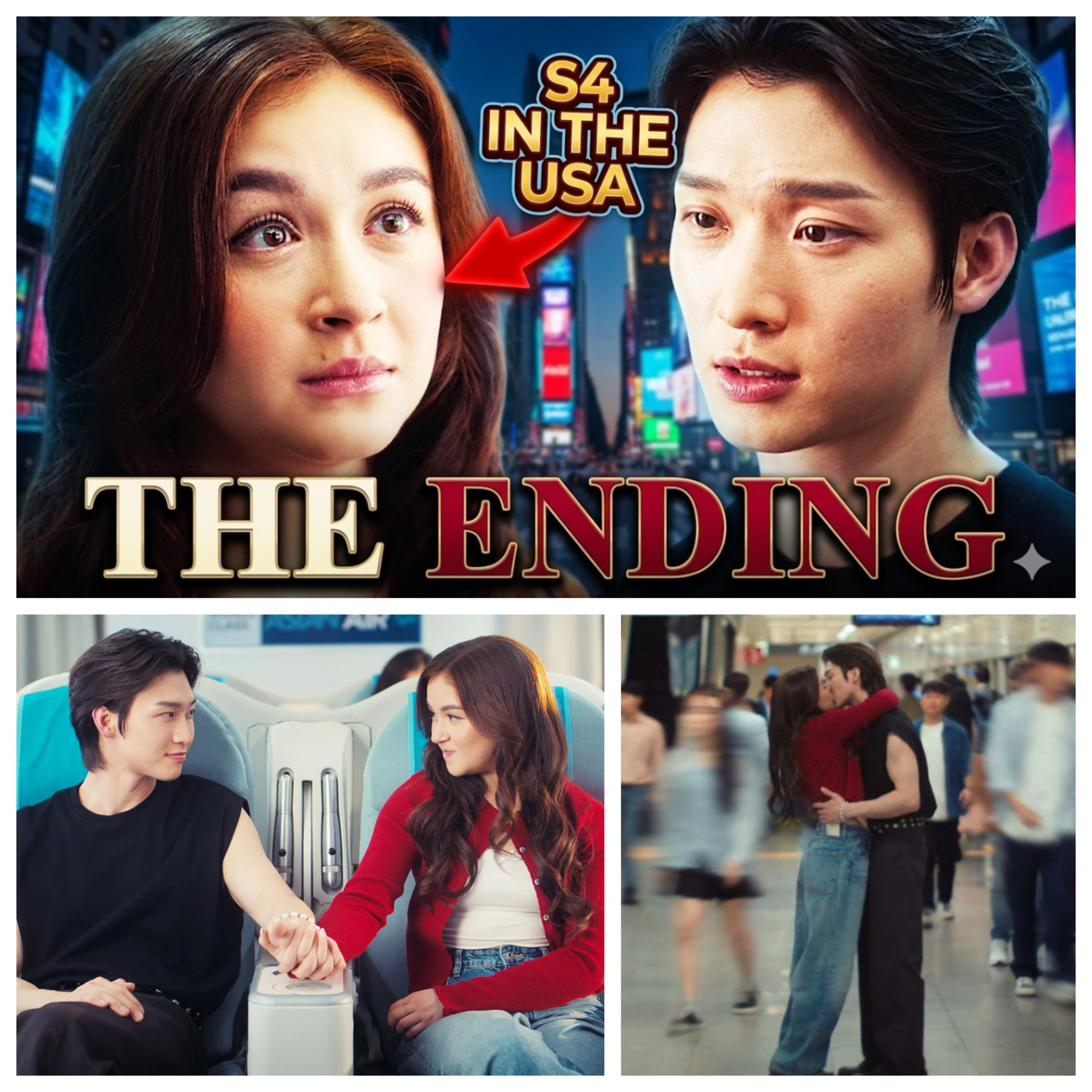
XO, Kitty Season 3 has arrived on Netflix, delivering eight episodes packed with the signature mix of romance, comedy, and teenage turmoil that fans have come to love from the To All the Boys universe. After nearly a year of anticipation, the season dives deeper into Kitty Song Covey’s life at the prestigious KISS academy in Seoul, where cultural clashes, complicated friendships, and evolving relationships take center stage. What begins as another chapter of youthful discovery quickly spirals into a whirlwind of miscommunications, personal growth, and shocking revelations that culminate in an ending designed to leave viewers both satisfied and desperate for more.
The season centers heavily on Kitty and Minho’s turbulent romance. Their relationship, already strained by distance and differing expectations, faces its biggest test yet through a series of frustrating miscommunications that escalate into accusations of infidelity. Kitty, ever the optimistic and determined protagonist, secures admission to NYU, signaling her readiness to step into a new phase of life beyond the KISS bubble. Minho, the wealthy and charismatic male lead, pours his emotions into songwriting, crafting lyrics that confess his deep feelings — lines like “the sun literally refuses to rise unless she is right beside him” become a poignant soundtrack to their emotional journey.
One of the season’s standout moments is the magical 18th birthday surprise orchestrated by Minho. Filled with floral arrangements, sentimental gifts, and heartfelt gestures, the celebration serves as a turning point, reminding both characters of the genuine connection beneath their conflicts. Yet the real cinematic highlight comes during the subway chase sequence. As doors slide shut between them, separating the pair by a pane of glass, viewers are treated to a visually stunning and emotionally charged reunion attempt that captures the essence of young love — urgent, imperfect, and unforgettable.
Beyond the central couple, Season 3 explores rich subplots that add depth and realism to the teen drama. Yuri grapples with devastating financial ruin, forcing her to confront privilege and responsibility in ways she never anticipated. Dae pursues his music dreams with passion and vulnerability, highlighting the pressures of chasing artistic ambitions in a competitive environment. Eunice makes the bold decision to leave her pop-star life behind for the sake of mental health, a storyline that resonates with themes of self-care and breaking free from toxic expectations. Additional arcs involve staff members defying school rules in their own romantic entanglements, along with the former “golden boy” and “IT girl” navigating their changed statuses as elite students.
The season’s themes of teenage rebellion against authority shine through as characters push back against parental pressures, societal norms, and the rigid structure of KISS academy. Kitty’s growth is particularly compelling; she evolves from a wide-eyed newcomer to a young woman making tough choices about her future, friendships, and love life. The writing balances lighthearted humor with more serious explorations of identity, belonging, and the fear of growing up too fast.
The ending itself is a masterclass in setup and payoff. Resolutions feel earned even as they open new doors — Kitty’s NYU acceptance paves the way for a potential move to America, while unresolved tensions in relationships promise fresh conflicts. The true bombshell arrives in the post-credit scene: a surprise guest boards a flight to Portland, directly setting up a hilarious and dramatic Season 4 clash involving the Covey family on American soil. This tease cleverly bridges the Seoul setting with the original To All the Boys roots, hinting at cross-cultural chaos, family reunions, and plenty of comedic misunderstandings.
Critically, the season receives mixed feedback in the breakdown. While the romance arcs and character development earn praise for emotional authenticity, some viewers note a rushed pacing in the later episodes and a slight dip in overall acting consistency compared to previous seasons. The shorter episode runtime — around 30 minutes each — keeps the story snappy but occasionally leaves deeper explorations feeling abbreviated. Despite these critiques, the season succeeds in evolving the franchise, allowing characters to mature while retaining the charm that made the series a hit.
Production elements continue to impress, with vibrant Seoul backdrops, stylish fashion, and a soundtrack that perfectly complements the emotional highs and lows. The writing team smartly incorporates cultural nuances, making the KISS academy feel like a lived-in world rather than a mere backdrop. Performances from the young cast bring energy and relatability, even if some moments lean into familiar teen-drama tropes.
As speculation builds around Season 4, many fans argue it should serve as the final chapter. With Kitty heading to NYU and the core group entering new life stages, the story risks losing momentum if stretched further. Bringing the action to America could provide a fresh, satisfying conclusion — reuniting old faces, introducing new dynamics, and giving Kitty the closure she deserves while delivering the laughs and heart that define the series.
XO, Kitty Season 3 ultimately reminds us why this spinoff captured hearts worldwide: it treats teenage experiences with honesty, humor, and heart. Miscommunications may frustrate, chases may thrill, and surprises may shock — but at its core, the show celebrates growth, forgiveness, and the messy beauty of first loves and big dreams. Whether you binged the season in one sitting or are catching up now, the ending explained reveals a chapter that both wraps up loose ends and boldly points toward an exciting future.
The real question lingering after the credits roll isn’t just “what happens next?” but “how will Kitty navigate this new chapter without losing herself?” In true XO, Kitty fashion, the answer will likely involve equal parts chaos, romance, and unforgettable moments — and fans wouldn’t want it any other way.