Family Accuses RCR of Ignoring Kyle Busch’s Health Warnings Before His Tragic Death.
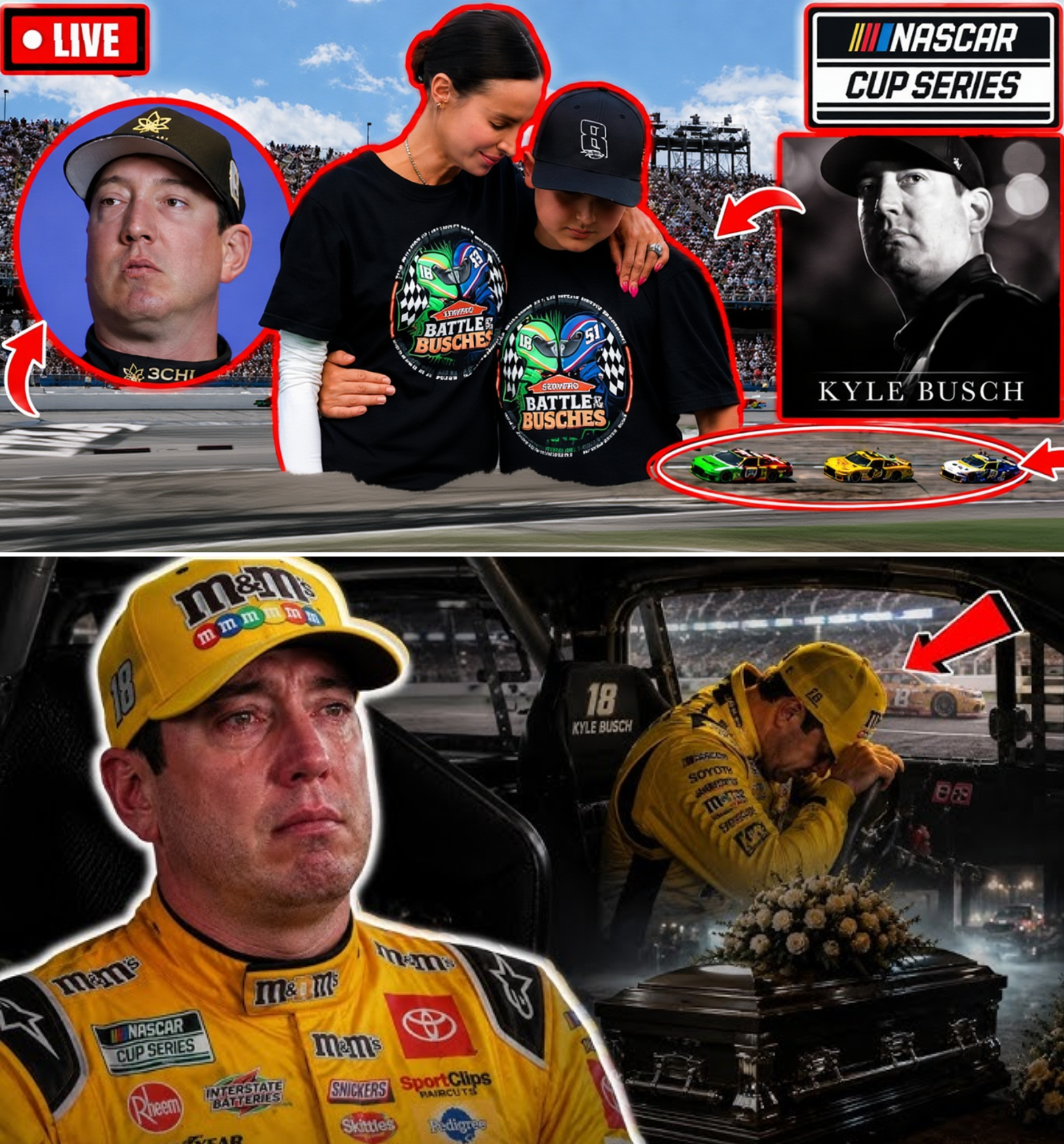
The sudden death of NASCAR star Kyle Busch on May 21, 2026, continues to send ripples of grief and anger through the motorsports world. At only 41 years old, the two-time Cup Series champion succumbed to complications from bacterial pneumonia that escalated into full-blown sepsis, multiple organ failure, and hemorrhagic shock. What has intensified the pain for many is the emerging narrative from Busch’s family, who have pointed fingers at Richard Childress Racing, claiming the team’s demands may have played a harmful role in the final weeks of his life.
Busch built his reputation as “Rowdy” through sheer determination and an unmatched will to compete. With more than 230 national series victories, he was a driver who rarely sat out, even through injuries and physical setbacks. That same fighting spirit, however, may have masked the severity of his declining health. Reports indicate that what began as a seemingly minor sinus infection developed into persistent coughing, extreme fatigue, and breathing difficulties in the days leading up to his hospitalization.
According to sources familiar with the family’s position, Busch had privately expressed concerns about his condition to team personnel at RCR. Despite these warnings, he was allegedly encouraged to maintain his rigorous schedule, including practice sessions and potential race appearances. The family claims this pressure prevented him from seeking timely medical intervention that could have altered the deadly trajectory of his illness. Medical professionals have since explained that bacterial pneumonia can progress with alarming speed when the body is under extreme physical and mental stress, exactly the environment professional racing demands.
Richard Childress Racing has responded to the tragedy with public statements of mourning, describing Busch as a cornerstone of their organization. They highlighted his contributions to multiple victories and noted that the No. 8 car has been placed in a period of respect, with plans to potentially reserve it for his son Brexton in the future. The team has also participated in joint memorials alongside NASCAR, including emotional tributes and moments of silence at recent events. However, they have stopped short of directly addressing the family’s specific allegations of inadequate health support.
This controversy has ignited heated discussions across NASCAR forums and social media. Supporters of the family argue that modern sports organizations must prioritize athlete welfare over short-term performance, especially when clear symptoms of serious illness are present. Critics of the claims suggest that Busch’s own personality — known for pushing limits and hating to miss races — made it difficult for anyone to force him to step aside. The truth likely lies somewhere in the middle, reflecting the complex dynamics between drivers, teams, and the intense culture of professional stock car racing.
In the background of this dispute are the personal details of Busch’s life that have captured public attention. His estate near Lake Norman featured elaborate facilities, including underground garages filled with classic cars and personal memorabilia. Earlier stories of hidden spaces and personal journals added layers of intrigue to his private world. Friends and colleagues remember him as a devoted husband to Samantha and a loving father who balanced the demands of fame with family time whenever possible.
The medical timeline paints a grim picture. Busch was reportedly admitted to the hospital just days before a major race weekend. Despite aggressive treatment, the infection overwhelmed his system, leading to sepsis — a life-threatening response where the body attacks itself. This progressed to disseminated intravascular coagulation and hemorrhagic shock, conditions that proved insurmountable. Experts emphasize that early rest and medical care are critical in such cases, raising questions about whether the high-stakes NASCAR environment allowed for proper recovery.
NASCAR itself has navigated the situation carefully, adjusting the 2026 points standings to honor Busch’s memory while continuing the season. Fellow drivers have shared heartfelt stories of his mentorship, competitive fire, and behind-the-scenes generosity. Many acknowledge that while his on-track battles were legendary, his greatest challenges may have come in balancing health with the unrelenting calendar of races, travel, and sponsor obligations.
The family’s decision to voice these concerns appears motivated by a desire for accountability and prevention of future incidents. They have called for stronger medical oversight protocols within teams, including mandatory evaluations when drivers report symptoms. This push has gained support from some in the medical community who specialize in sports-related illnesses.
As details continue to unfold, the racing world finds itself at a crossroads. The sport has made significant strides in safety regarding crashes and equipment, but the handling of non-injury health issues remains a gray area. The Kyle Busch case could become a catalyst for meaningful reform, forcing teams like RCR and the broader NASCAR organization to reassess how they support drivers during vulnerable moments.
Kyle Busch’s legacy remains one of passion, controversy, and excellence. He thrilled millions with his aggressive style and unapologetic attitude, while quietly building a life centered on family and personal passions. The hidden aspects of his estate and the current family-team tensions only underscore how much remained beneath the surface of his public persona.
Though his time on the track has ended, the conversations sparked by his passing — about pressure, health, and responsibility — ensure that his influence will extend far beyond the checkered flag. The NASCAR community, divided yet united in grief, now faces the challenge of moving forward while honoring a champion whose final story is still being written.