Dramatic Shift in California Beach Drowning Case as Officials Reassess What Happened to Two Young Friends.
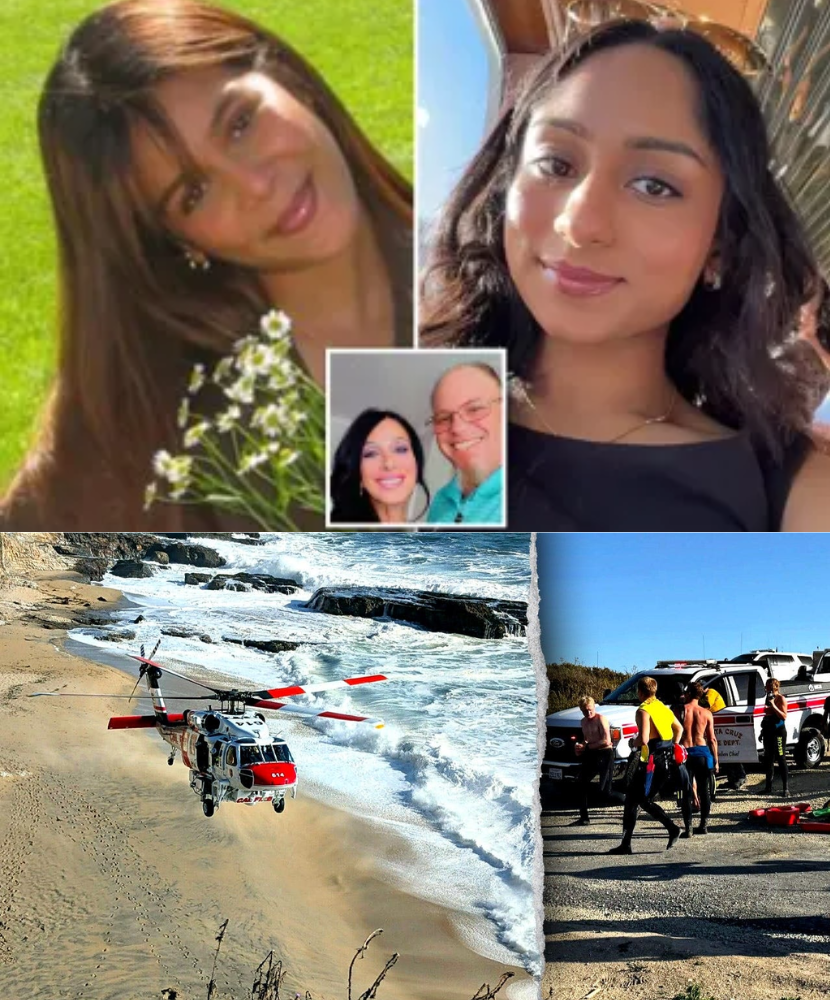
A tragic incident at Panther Beach near Santa Cruz has left the Bay Area community reeling, with new developments challenging early accounts of how two promising college students lost their lives in the powerful Pacific Ocean. Harshita Nair, 21, and Mahial Sran, 20, both from Fremont, California, were enjoying an outing on June 10 when they were suddenly engulfed by surging waters in a challenging stretch of coastline known for its unpredictable conditions.
Early descriptions from responders indicated the pair might have been resting or dozing near a distinctive rock formation called the keyhole — a narrow passage linking Panther Beach to nearby Yellow Bank Beach. As the tide rose quickly, this feature reportedly acted like a trap, limiting their ability to retreat safely. Brave rescue teams, including multiple swimmers from local fire departments and state parks, entered the turbulent surf to retrieve both women. Sadly, despite initial survival, Harshita and Mahial passed away from their injuries in the following days.
The narrative began shifting when Harshita’s father, Ahock Nair, voiced strong doubts about the sleeping scenario. He highlighted physical evidence that didn’t align: the young women’s personal items, such as bags and a phone, stayed completely dry and in place on higher ground. If a large wave had overtaken them while lying down, he reasoned, those belongings would almost certainly have been drenched or swept away too. This perspective gained attention and prompted closer examination of the sequence of events.
Local voices added to the skepticism. A business owner familiar with Mahial described the idea of them casually napping in such a risky spot as implausible, noting Mahial had seemed upbeat and engaged during their earlier conversation that day. These inconsistencies fueled public interest and questions about how the tragedy unfolded so suddenly.
In a notable development, Cal Fire spokesperson Michael Horn provided updated insights in interviews, acknowledging the difficulties of reconstructing fast-moving emergencies. He clarified that distant observations of people on the sand could easily be misinterpreted amid chaos — what looked like sleeping might have been sunbathing or simply relaxing on towels. Horn pointed to the likelihood of a powerful sneaker wave striking near the water’s edge, a common hazard along this rugged coastline where waves can surge unexpectedly and create strong undertows.
Sneaker waves are notorious for their deceptive power, appearing without clear warning and reaching far up the shore. The Panther Beach area features steep drops, rocky outcrops, and isolated sections that draw visitors seeking seclusion but amplify dangers. The friends had apparently navigated the keyhole to access a more private spot, only to find their exit route blocked as conditions worsened rapidly. Officials noted this stretch of coast has seen several rescues recently, underscoring the need for constant vigilance.
This adjustment in official explanations offers partial alignment with the family’s concerns while emphasizing the ocean’s unforgiving nature. It serves as a critical lesson for anyone planning coastal visits: never turn away from the water, monitor tide schedules closely, and steer clear of remote areas during high surf periods. Even seasoned beachgoers can be caught unprepared by shifting currents and sudden swells.
Harshita was pursuing legal studies at UC Berkeley and approaching graduation, remembered by loved ones as ambitious, compassionate, and full of potential. Mahial, a public health student at San José State University, was known for her reliability, kindness, and willingness to support others. Both had graduated from Washington High School in Fremont in 2023 and shared dreams for the future that were cut short too soon. Their loss has prompted an outpouring of tributes from classmates, educators, and community leaders across the Bay Area.
The event has reignited discussions on coastal safety measures. Fremont officials, including Mayor Raj Salwan, and emergency agencies are encouraging greater awareness of ocean hazards like rip currents and sneaker waves. Recommendations include swimming only in monitored zones, keeping groups together, and using resources like tide charts and weather alerts before heading out. Increased patrols and educational campaigns aim to reduce similar incidents in the future.
Broader context reveals ongoing challenges for California’s beaches. Seasonal weather patterns, climate influences, and popular but rugged spots like Panther Beach and Bonny Doon contribute to volatile conditions. The keyhole formation provides scenic access but turns hazardous when tides rise, turning a beautiful day into a life-or-death situation within minutes.
As more information surfaces, the emphasis remains on celebrating Harshita and Mahial’s lives. Memorials and shared stories highlight their warmth, achievements, and the positive impact they had on those around them. Mahial’s family spoke of her dependable spirit, while remembrances for Harshita underscore her dedication and bright outlook.
This case carries an important message for summer beachgoers nationwide: respect the ocean’s power and prioritize preparation. While the updated accounts bring some resolution, the grief for two vibrant young women remains profound. Their story underscores the fragility of life and the importance of community efforts to enhance safety protocols along dangerous coastlines.
In the wake of this loss, families and authorities alike hope that increased awareness will honor Harshita and Mahial by preventing future tragedies. The Pacific’s beauty comes with real risks, and vigilance can make all the difference between a cherished memory and an irreversible heartbreak.