Bodycam Breakdown: Caleb Flynn’s Hysterical Wails and Vomiting After Wife’s Death—Now Seen as Possible Cover for Alleged Murder Plot.
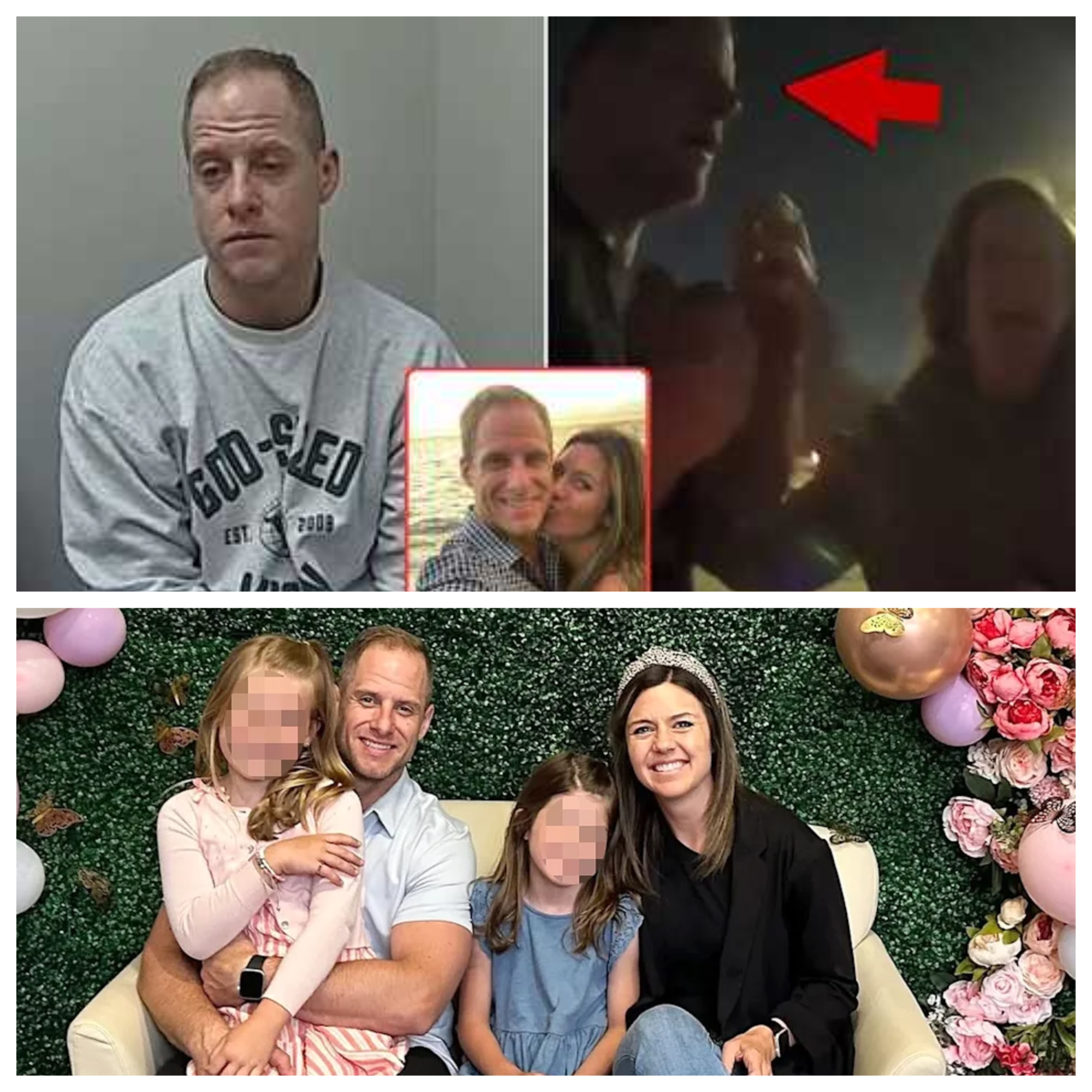
Hours of newly released body camera and dash camera footage from the Tipp City Police Department have thrust the February 16, 2026, shooting death of Ashley Flynn back into the spotlight, capturing her husband Caleb Flynn’s immediate, visceral reactions in the chaotic moments following her discovery. The videos, obtained and published by multiple news outlets in early March 2026, depict Caleb in extreme distress—sobbing hysterically, hyperventilating, vomiting repeatedly, and repeatedly pleading with officers about his wife’s fate—while the investigation that began as a reported burglary quickly pivoted to him as the prime suspect.
The footage opens with officers arriving at the Cunningham Court residence shortly after 2:30 a.m., responding to Caleb’s 911 call claiming gunshots and a possible intruder. Exterior clips show Caleb outside the home, collapsing to his knees on the lawn as he cries out, “Ashley’s gone… someone broke in and shot her.” His voice breaks repeatedly as he asks officers, “Is she gone, sir? Oh my God, is she gone?” In one particularly harrowing segment, he dials his mother on speakerphone, sobbing, “Mommy, Ashley’s dead… she’s gone,” before hanging up and vomiting violently onto the grass. He paces, hyperventilates, and appears on the verge of collapse as paramedics and investigators work inside the blurred interior scenes.
Despite the apparent raw grief, key details contradicted Caleb’s account from the outset. The family’s 9mm handgun was used at close range while Ashley slept, with no signs of a struggle or defensive wounds. Nothing was stolen from the home—valuables, electronics, and cash remained in place. The garage door stood open but was obstructed by a refrigerator showing no signs of displacement, casting doubt on any forced entry. Most strikingly, the couple’s two young daughters slept undisturbed through gunshots, screams, arriving sirens, and police activity filling the house. Subsequent toxicology confirmed powerful sedatives in their systems, implying deliberate efforts to prevent them from awakening and potentially witnessing or interfering.
Investigators, including FBI assistance, shifted focus rapidly. Digital forensics revealed a prolonged affair between Caleb and Aaliyah Botner, the worship leader at Christian Life Center where Caleb served as pastor. A deleted text from Caleb to Botner at 12:42 a.m.—under two hours before the shooting—stated simply, “It’s almost done.” Botner resigned abruptly post-arrest and erased her digital footprint, though no charges have been filed against her. Marriage tensions had escalated, with reports of impending divorce talks fueled by infidelity, financial strain, and Ashley’s growing unease, shared privately with close friends.
Caleb was taken into custody on February 19, 2026, facing charges of murder, two counts of felonious assault with a deadly weapon, and two counts of tampering with evidence for allegedly fabricating the burglary narrative. Arrest footage shows a markedly different demeanor: Caleb appears stunned and subdued as officers inform him he’s under arrest. He asks quietly, “What changed?” and cooperates as he’s handcuffed and transported to the station for booking, fingerprinting, and processing. He remains in solitary confinement on $2 million bond, prohibited from contacting his children, and has entered a not guilty plea.
The bodycam release has polarized public opinion. Some viewers interpret Caleb’s early reactions as genuine trauma from discovering his wife; others see theatrical elements echoing his emotional American Idol auditions from 2013, where tearful vulnerability helped him advance. Commentators note the contrast between his initial breakdown and the calmer arrest scenes, fueling speculation that the display was calculated to sell the intruder story. Supporters of the prosecution highlight the physical impossibilities—no legitimate burglary evidence, premeditated child sedation, execution-style killing—and view the emotional outpouring as part of a broader deception.
Ashley Flynn, 37, was celebrated in death as a vibrant substitute teacher, volleyball coach, and loving mother whose warmth touched students and colleagues alike. Memorials featured heartfelt tributes, candles, and images of her joyful family life, underscoring the devastation her loss inflicted. The case has prompted renewed scrutiny of domestic issues in high-profile or faith-based households, where public images of harmony can conceal private turmoil, infidelity, and control dynamics.
As the Miami County case progresses, prosecutors rely on a web of circumstantial evidence: forensic ballistics tying the family gun to the wounds, digital trails of the affair and ominous texts, toxicology confirming child endangerment, and scene inconsistencies pointing to staging. Defense strategies may include challenging motive interpretations, introducing psychological evaluations, or arguing alternative scenarios, but the released footage has intensified calls for accountability.
The two daughters, placed with protective relatives, carry the heaviest burden—grieving their mother while navigating the fallout of their father’s charges. Community efforts include fundraisers for therapy, education, and long-term support, alongside vigils emphasizing healing and prevention. Tipp City residents, once proud of their safe, close-knit suburb, now confront the reality that lethal danger can emerge from within trusted homes.
The bodycam videos, while graphic and emotionally charged, offer unfiltered insight into a night that shifted from reported tragedy to alleged calculated homicide. They serve as both evidence in court and a haunting record for the public, reminding viewers that outward displays of sorrow do not always align with inner truth. With trial preparations underway, the focus remains on justice for Ashley—ensuring her voice, silenced too soon, echoes through the pursuit of facts over facade.