Blonde Wig Disguise in Hospital Parking Lot: How an Ex’s Obsession Ended a Dedicated Nurse’s Life on Mother’s Day Weekend.
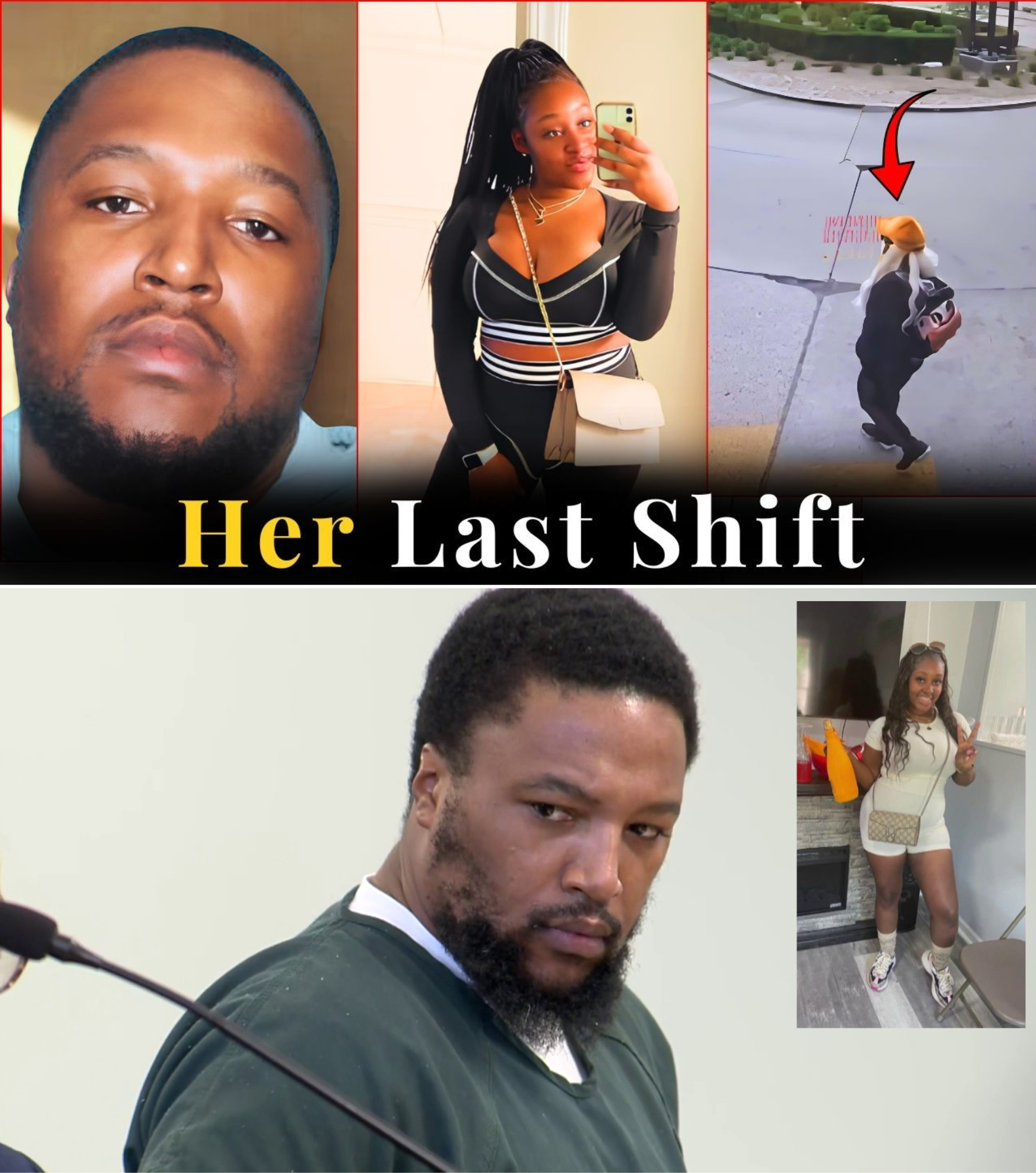
Patrice Wilson lived for her family and her calling. At just 29 years old, the Detroit-area registered nurse balanced demanding overnight shifts at one of Michigan’s busiest trauma centers with raising her young son and staying deeply connected to her mother. She was the kind of person who stayed late for crying patients, texted her mom every morning to confirm she made it home safely, and dreamed of a peaceful future focused on her child and career.
On the morning of May 13, 2023 — the start of Mother’s Day weekend — Patrice finished her shift at DMC Detroit Receiving Hospital. She walked across the familiar parking lot toward her black 2020 Lincoln Nautilus SUV, car keys in hand, mind already on home, her son, and family plans. She never saw the figure in the blonde wig crouched nearby.
Jamere Mykel Miller, her 36-year-old ex-boyfriend from Inkster, had been waiting. Disguised with a wig, hat, and glasses, armed with a handgun, he forced his way into her vehicle. He moved to the back passenger area and opened fire at close range. Patrice was killed almost instantly inside her own car, in the very parking lot of the hospital where she had spent years saving lives — and where her own mother worked.
What followed was even colder. Miller slid into the driver’s seat, adjusted the mirror, and calmly drove away with Patrice’s body still inside. Her mother, working inside the building just hundreds of feet away, had no idea her only child was gone. The family’s nightmare began when Patrice didn’t come home and stopped responding to messages — something completely out of character for a daughter who always checked in.
A Relationship That Turned Deadly
Patrice and Miller had been in a relationship that, from the outside, appeared ordinary. But those closest to her saw the red flags: possessiveness masked as love, jealousy disguised as concern. By early 2023, Patrice had decided to leave. She wanted peace, focus on her son, and space to move forward. She did everything advocates recommend — changed routines, moved to a quieter apartment complex in Novi, and prioritized safety.
Yet Miller could not accept “no.” Family members later described his refusal to let go. On that Saturday morning, he executed a premeditated ambush using surveillance knowledge of her schedule, her car, and her route. The hospital parking lot, once a second home that felt safe, became the site of unimaginable violence.
Patrice’s body was later found in her SUV in Novi. The discovery shattered her tight-knit family, especially her mother Roslyn Livingston, who had shared everything with her only child. Co-workers remembered Patrice as soft-spoken, generous, and dedicated — the steady hand patients relied on during their worst moments.
Justice in Court: Emotional Sentencing
Miller was arrested and faced serious charges including first-degree murder. In October 2023, he pleaded guilty to second-degree murder as part of a deal that dismissed additional counts. On November 7, 2023, Wayne County Circuit Judge Kevin Cox sentenced him to 35-60 years in prison.
The courtroom was packed with raw emotion. Family members confronted Miller directly. One relative told him he was “not fit to live,” while others spoke of the irreparable hole left in their lives — a son without his mother, a grandmother mourning her daughter, a community missing a caring nurse. Patrice’s loved ones emphasized she had done everything right to escape an unhealthy relationship, only to be hunted down at work.
Miller’s criminal history and links to other concerning incidents added layers to the tragedy, though the focus remained on Patrice’s stolen future. The case highlighted the dangers women face when leaving abusive or controlling partners, especially when the abuser knows their daily routines intimately.
A Legacy Beyond the Tragedy
Patrice Wilson’s story resonated far beyond Detroit. It became a painful reminder during domestic violence awareness conversations: the calmest moments — leaving work, heading home — can turn deadly when obsession overrides humanity. Her family continues to honor her memory by speaking out about the importance of safety planning, support systems, and recognizing warning signs early.
Hospitals across the country have since reviewed parking lot security, employee escort programs, and awareness training in response to similar incidents. For Patrice’s son, mother, and extended family, no sentence can restore what was lost. But her life — marked by compassion, hard work, and love — continues to inspire those who knew her and those who learned her story through true crime accounts.
The blonde wig disguise, the calculated wait, the drive with her body — these details haunt anyone who hears them. Patrice was doing what millions of working mothers do every day: finishing a shift and heading home to family. That ordinary act should never end in tragedy.
Her story demands we listen closer to the women trying to leave, provide better protections in workplaces like hospitals, and remember that “peaceful separation” is a right, not a risk some pay for with their lives.