Alex Serna’s Final Warning: Influencer’s Brutal Death After Exposing Threats and Environmental Wrongs in Mexico.
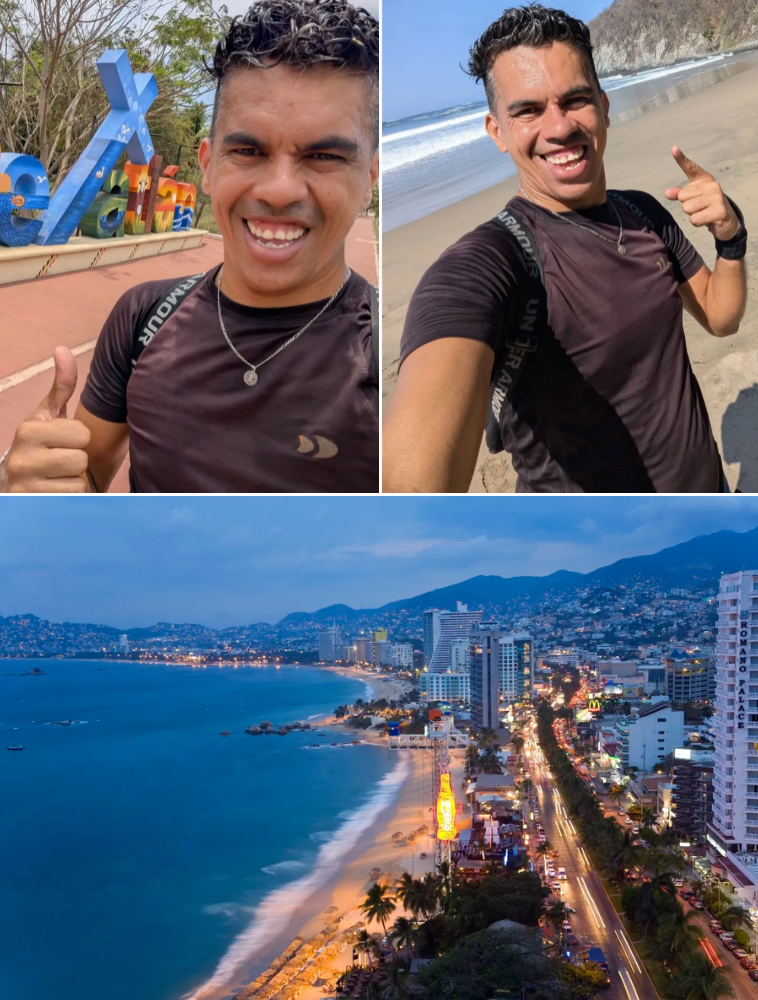
The vibrant coastal town of Zihuatanejo, Guerrero, is no stranger to beauty, but beneath its surface lies a darker reality of environmental struggles and alleged corruption—one that claimed the life of passionate influencer and activist Manuel Alejandro Mora Serna, known to thousands as Alex Serna. At just 39 years old, Serna was found dead after nearly two weeks missing, his body reportedly discovered with signs of torture inside a blue plastic drum dumped along a highway. His final posts, filled with chilling references to threats, now stand as a haunting testament to the dangers faced by those who dare to speak truth to power.
Serna vanished on June 20, 2026, the very day he uploaded a video highlighting alleged environmental damage caused by a mango dehydration company operating without proper licenses in the La Saladita community. In the footage, he questioned local authorities and powerful interests, even alluding to potential retaliation. His family reported him missing, prompting a search by Guerrero’s State Search Commission. Tragically, a body matching his description was located days earlier on June 22-23 near Petatlán on the Acapulco-Zihuatanejo highway, but identification took time due to the condition of the remains. On July 3, family members confirmed it was Alex at the local morgue.
This wasn’t a sudden tragedy. Months earlier, in March 2026, Serna publicly shared screenshots of death threats received via Facebook from an account called “Ánimo Ánimo.” The messages were direct and menacing: “Bájale de huevos” (back off), followed by warnings that they knew his location and “we’re not playing.” He had also reported multiple attempts to shut down his Facebook page, signaling organized harassment tied to his relentless coverage of local issues. As a citizen journalist and environmental advocate, Serna documented irregularities in the Costa Grande region, focusing on water extraction, pollution, and possible links to corruption—work that clearly ruffled influential feathers.
From my perspective, Alex Serna’s story is a stark reminder of the perilous price paid by grassroots voices in Mexico, where journalists and activists investigating environmental crimes often face lethal risks. Guerrero has long been a hotspot for such violence, with powerful economic interests clashing against community defenders. Serna wasn’t chasing clicks for fame; he was fighting for his community’s future—clean water, sustainable development, and accountability. His death highlights systemic failures: slow investigations, inadequate protection for at-risk individuals, and a culture of impunity that silences dissent. While authorities maintain silence on specifics, human rights groups like the Guerrero Human Rights Commission have demanded a thorough probe, urging all levels of government to treat his journalistic work as a key line of inquiry.
The circumstances surrounding his killing are particularly gruesome. Reports indicate the body showed torture marks, stuffed into a drum and abandoned roadside—a method sadly familiar in organized crime cases. No official cause of death or suspects have been publicly named yet by the state prosecutor’s office, fueling frustration and calls for transparency. Serna’s last video captured not just allegations against the company but a palpable sense of vulnerability, as if he sensed the escalating danger. In one poignant moment, he wondered aloud if threats would escalate to a formal expulsion notice or worse.
This tragedy echoes broader patterns across Latin America, where environmental defenders are disproportionately targeted. According to global reports, Mexico ranks among the deadliest countries for land and environmental activists. Serna joins a grim list of voices extinguished for shining light on exploitation—often involving water rights, mining, or agribusiness. His work wasn’t abstract activism; it directly impacted local livelihoods in Zihuatanejo, a region balancing tourism with ecological fragility. By exposing alleged unlicensed operations draining resources, he empowered residents but likely provoked powerful backlash.
The human cost is devastating. Friends, family, and followers remember Serna as dedicated and fearless—a man who used social media to amplify unheard stories rather than seek personal glory. His pages served as digital archives of community grievances, blending videos, photos, and commentary. In the wake of his death, activists and organizations like Article 19 have condemned the murder and called for federal intervention, protection for his loved ones, and an independent investigation. The chilling prelude of documented threats makes this case particularly urgent; ignoring them would compound the injustice.
As the investigation unfolds, one thing is clear: Alex Serna’s legacy cannot be buried with him. His final warnings demand action—stronger safeguards for journalists, genuine environmental enforcement, and an end to the cycle of violence that claims truth-tellers. In a world quick to scroll past headlines, his story forces us to confront uncomfortable realities about power, silence, and the courage required to challenge both. May his death spark not just outrage, but meaningful change so that future defenders can speak without fearing the ultimate price. The people of Guerrero, and Mexico as a whole, deserve accountability and justice—for Alex, and for all silenced voices.