Heartbroken Father’s Agonizing Last Phone Call: Daughter’s Bloodcurdling Screams as Alligator Ripped Her Apart in Florida River.
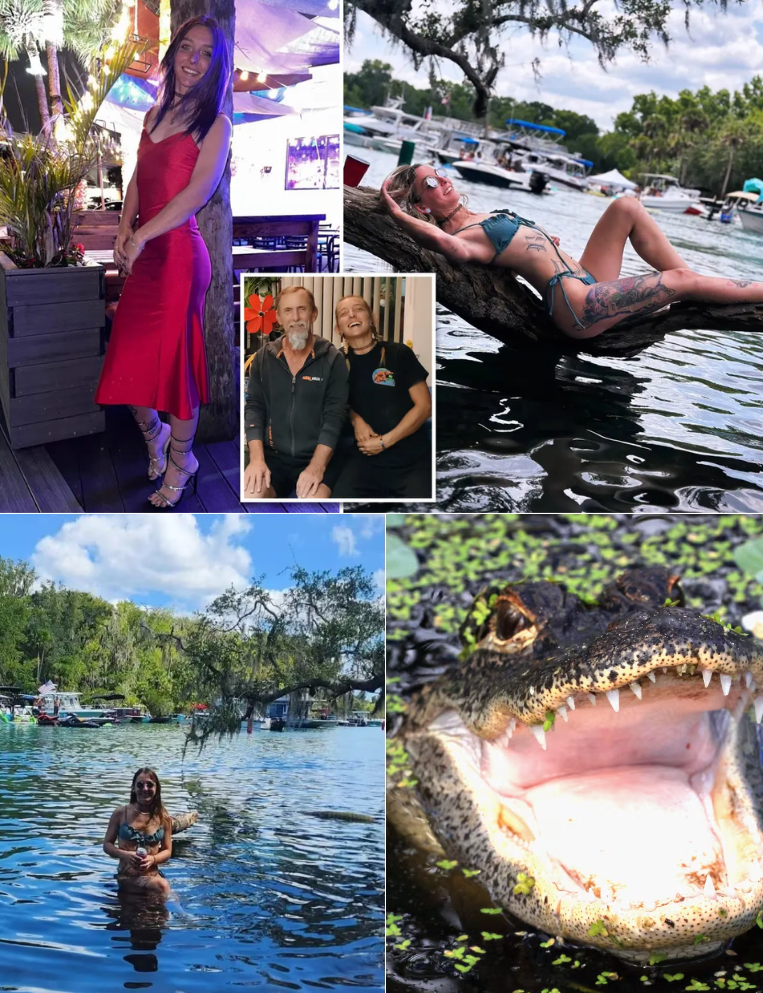
The phone rang on a Sunday afternoon, bringing news no parent is ever prepared to receive. Robert Clark, a 57-year-old father, picked up what would become the most traumatic call of his life. On the other end was his daughter Brittany Clark’s roommate, Jayden Hernandez, frantically describing a horror unfolding in real time at the Econlockhatchee River in Florida’s Little Big Econ State Forest. Brittany, 31, a fun-loving construction worker from Orlando with roots in California, was bleeding out from a savage alligator attack.
Just moments earlier, Brittany, her boyfriend Chance Allison, and Jayden had been hiking and decided to cool off with a swim in shallow water – only about three feet deep. They even joked about bubbles in the water possibly signaling a gator, but Chance swam over to check and saw nothing. Then, without mercy, a massive 12- to 13-foot alligator struck, latching onto Brittany’s arms and initiating a deadly death roll. Chance heroically fought the beast, trying to pry her free, but the damage was catastrophic – one arm torn completely off, the other barely attached.
Robert recounted the call with a breaking voice: Jayden was explaining the chaos as it happened, with Brittany’s screams piercing through. They were desperately trying to staunch the bleeding, keep her alive, and wait for help. “She was having a hard time telling us what was going on,” Robert shared, his words heavy with grief. He never got the chance to say goodbye properly – the injuries were too severe. Brittany passed away on the way to the hospital from multiple blunt force traumas to her upper extremities.
Parallel to this, the chilling 911 calls captured the panic. Chance pleaded, “Bad, real bad, please, hurry… she’s losing a lot of blood.” Jayden added graphic details: “One of her arms is completely off and the other one is like attached barely.” The operator even asked about retrieving the severed limb. It was a scene of pure nightmare – friends battling to save a loved one while a predator lurked nearby.
This tragedy hits especially hard because Brittany was vibrant and full of life. She and Chance had been planning a future together, talking about starting a family. She saw him as her forever person. Now, Robert is left navigating double grief – Brittany’s death came just days after losing his own mother. The family is pushing for her remains to be returned to California, with a GoFundMe raising funds for the heartbreaking logistics.
Robert has been outspoken, slamming Florida wildlife officials for insufficient warnings in known alligator hotspots. “Nothing was done, no barriers put up, no signs saying this area is infested,” he argued. While alligator attacks are statistically rare, the presence of massive reptiles in popular recreational areas demands better management – clearer signage, more frequent patrols, public education on risks, and perhaps technology like motion sensors or apps alerting visitors. Florida’s booming gator population, once endangered, now requires balanced coexistence strategies that prioritize human safety without eradicating these vital ecosystem keepers.
Chance’s heroism shines through the darkness. He battled the gator underwater, freed Brittany temporarily, and performed CPR on shore. In his own posts, he expressed falling apart while vowing to honor her memory and care for her pets. Jayden, too, showed incredible strength amid terror. Their efforts highlight how ordinary people become extraordinary in crisis, yet sometimes love and bravery aren’t enough against nature’s force.
Brittany’s story forces uncomfortable questions about adventure in wild spaces. We seek nature for peace and joy, but it demands respect and vigilance. Moments like joking about bubbles before disaster serve as stark reminders: complacency in predator territory can be fatal. For families like the Clarks, the pain extends beyond loss – it’s the “what ifs,” the unanswered calls, the futures erased. Support systems, grief counseling, and community solidarity become lifelines.
As investigations continue, with DNA from captured gators being tested, the focus must shift to prevention. Enhanced warnings, restricted swimming zones during peak seasons, and investment in wildlife control could save lives. Brittany didn’t deserve this end – no one does. Her fun-loving spirit, strength, and caring heart deserve to be remembered through calls for safer outdoor experiences and compassion for those left to mourn. In the face of such raw tragedy, her legacy might be greater awareness that turns grief into guardianship over others’ safety.