Prince Harry Reveals He Rejected His Royal Destiny After Princess Diana’s Death: “It Killed My Mum”
In a deeply candid and emotional address at the InterEdge Summit in Melbourne, Australia, Prince Harry, the Duke of Sussex, has spoken openly about the profound impact his mother Princess Diana’s death had on his willingness to embrace royal life. Addressing a high-profile audience on workplace mental health and leadership, Harry revealed that as a grieving 12-year-old boy, he actively resisted the path laid out for him, declaring, “I don’t want this job… it killed my mum.”
The revelation came during a keynote speech followed by a question-and-answer session with former Australian politician Brendan Nelson. Harry described how losing his mother in a car crash in Paris in 1997 — just weeks before his 13th birthday — left him feeling lost, betrayed, and completely powerless. Rather than stepping into the role expected of him as a senior member of the British royal family, he pushed back hard against the institution that he believed had contributed to his mother’s suffering and untimely death.
“I was like, ‘I don’t want this job. I don’t want this role — wherever this is headed, I don’t like it,’” Harry told the audience. “It killed my mum and I was very much against it, and I stuck my head in the sand for years and years.”
The raw honesty of the moment resonated strongly with those in attendance, including his wife Meghan Markle, who watched from the front row. Harry’s comments paint a picture of a young prince overwhelmed by grief, trauma, and the immense pressure of royal duty at a time when he was still processing one of the most public tragedies in modern history. Princess Diana’s death at age 36 sent shockwaves around the world, and for her two sons — William and Harry — it marked the beginning of a lifelong struggle with loss, public scrutiny, and the weight of their inherited positions.
Harry explained that for many years he chose avoidance over acceptance. He buried his head in the sand, refusing to fully engage with the expectations placed upon him. This period of resistance, he suggested, stemmed directly from the belief that the intense media attention and institutional demands had played a role in his mother’s fatal accident. Diana had famously spoken about the intrusive paparazzi and the toll the royal spotlight took on her mental health. For a grieving child, those words carried even greater weight.
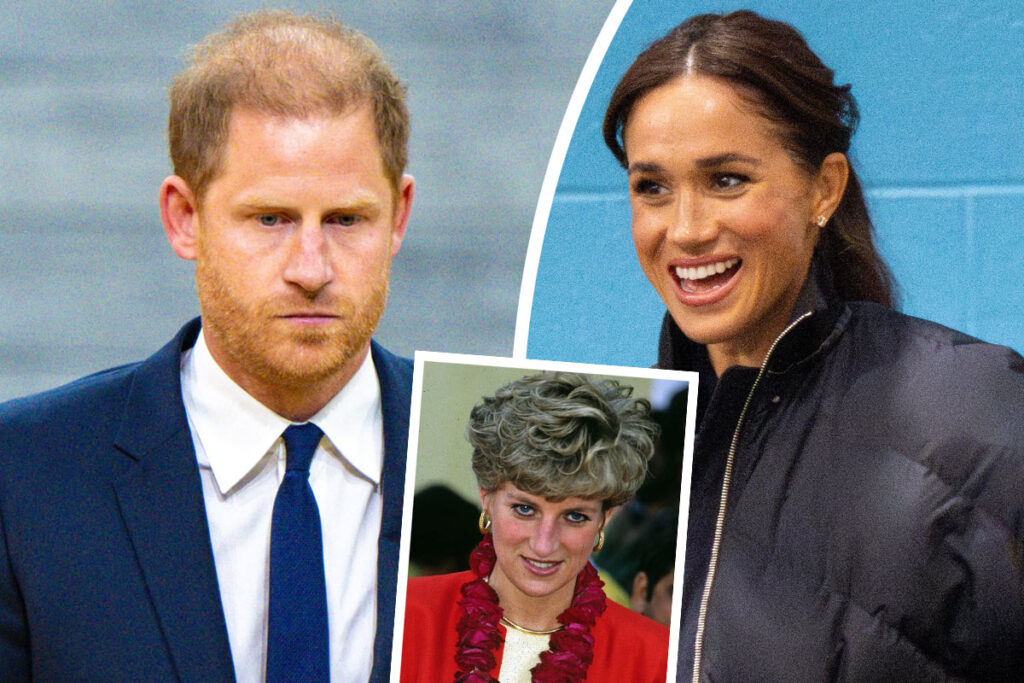
Eventually, Harry said, his perspective began to shift. He started asking himself what someone else in his privileged position might do with the platform, resources, and influence that came with being a member of the royal family. More importantly, he reflected on what his mother would have wanted him to do. That turning point — moving from resentment to purpose — became a defining moment in his personal journey.
“What would my mum want me to do?” he recalled thinking. This question helped reframe his approach to royal life. Rather than seeing the role as something forced upon him, he began to view it as an opportunity to drive positive change, particularly in areas close to his heart such as mental health awareness, support for veterans, and environmental conservation.
The InterEdge Summit, a leadership event focused on workplace mental health, provided the perfect setting for Harry’s reflections. Throughout his speech, he spoke not only about his own experiences with grief and trauma but also about the broader importance of addressing mental health struggles openly. He admitted that despite outward appearances, he has often felt like someone who “doesn’t have his shit together,” a refreshingly human admission from a man who has lived much of his life under intense global scrutiny.
Harry’s willingness to discuss these deeply personal matters comes amid his and Meghan’s ongoing tour of Australia. The couple’s visit has included various engagements, but the InterEdge Summit appearance stood out for its emotional depth and vulnerability. Meghan’s presence in the audience added another layer of support, as the couple has frequently spoken together about the challenges of public life, media pressure, and protecting their own family’s mental wellbeing.
This latest revelation fits into a broader pattern in Harry’s public storytelling. Since stepping back from senior royal duties in 2020 and relocating to California with Meghan, he has been increasingly open about the difficulties he faced growing up in the royal spotlight. His bestselling memoir Spare, released in 2023, detailed many of the same themes — the pain of losing his mother, the strained relationship with certain family members, and the mental health battles he endured in silence for years.
By sharing these reflections at a professional summit rather than in a memoir or interview format, Harry appears to be framing his personal story as part of a larger conversation about resilience, leadership, and mental health in high-pressure environments. His message seems clear: even those born into extraordinary privilege can struggle profoundly, and acknowledging that struggle is the first step toward healing and purposeful action.
For many who have followed Harry’s journey — from the heartbroken schoolboy walking behind his mother’s coffin to the outspoken advocate and father of two — the comments feel both heartbreaking and consistent. They underscore how deeply Princess Diana’s death shaped not only his childhood but also his adult decisions, including his eventual choice to step away from royal life and forge a new path with Meghan.
At the same time, Harry’s evolution from resistance to purposeful engagement highlights a powerful theme of growth. He has channeled his pain into meaningful initiatives through the Archewell Foundation, Invictus Games, and various mental health campaigns. His presence at the InterEdge Summit itself demonstrates his commitment to using his platform to help others navigate similar feelings of loss, betrayal, or powerlessness.
As the Duke and Duchess of Sussex continue their time in Australia, this latest public reflection is likely to spark renewed conversations about grief, duty, and the long-term impact of trauma. It also humanizes a figure who has often been portrayed in stark, polarized terms — either as a rebellious prince or a victim of circumstance. In reality, Harry’s story is one of complex emotions, gradual healing, and a determined effort to break cycles rather than repeat them.
In the end, Prince Harry’s admission that he once wanted nothing to do with the role that “killed my mum” is more than a headline-grabbing quote. It is a poignant reminder of how tragedy can shape destiny — and how, with time, perspective, and purpose, even the deepest wounds can lead to meaningful change. For a man who once stuck his head in the sand, he is now speaking with a clarity and courage that continues to resonate far beyond the royal sphere.