“I Wrote These Songs When I Had Nothing Left to Hide… And Maybe That’s What Scares Me Most”: Ella Langley Opens Up About the Raw Vulnerability of ‘Dandelion’
When Ella Langley sat down to tease tracks from her highly anticipated sophomore album Dandelion, the mood shifted almost immediately. Her usual bright, confident energy softened. Her voice dropped to a near whisper at times, and for a split second, her eyes drifted downward as if the weight of the words she was about to share caught her off guard. What began as casual previews of new music quickly unfolded into something far more intimate and revealing — a window into a body of work steeped in love, loss, tough choices, and the kind of unfiltered honesty that leaves both the artist and her listeners exposed.
The Alabama-born singer-songwriter released Dandelion on April 10, 2026, through SAWGOD/Columbia Records. Co-produced by Langley herself alongside Miranda Lambert and Ben West, the 18-track project marks a significant evolution from her 2024 debut Hungover. While her first album captured the chaotic energy of heartbreak and youthful recklessness, Dandelion feels like a reflective next chapter — one that explores growth, resilience, healing, and the messy realities of becoming who you are meant to be.
In recent interviews and social media moments leading up to the release, Langley has spoken candidly about the emotional process behind the record. “I wrote these songs when I had nothing left to hide,” she shared in one particularly vulnerable clip, her voice carrying a slight tremble. “And maybe that’s what scares me most.” That raw admission resonated deeply with fans, many of whom immediately began dissecting the lyrics for clues about her personal life. Social media lit up with speculation: Were certain songs about past relationships? Was she processing a specific heartbreak? Or was she simply laying bare the universal experiences of love, regret, and self-discovery?
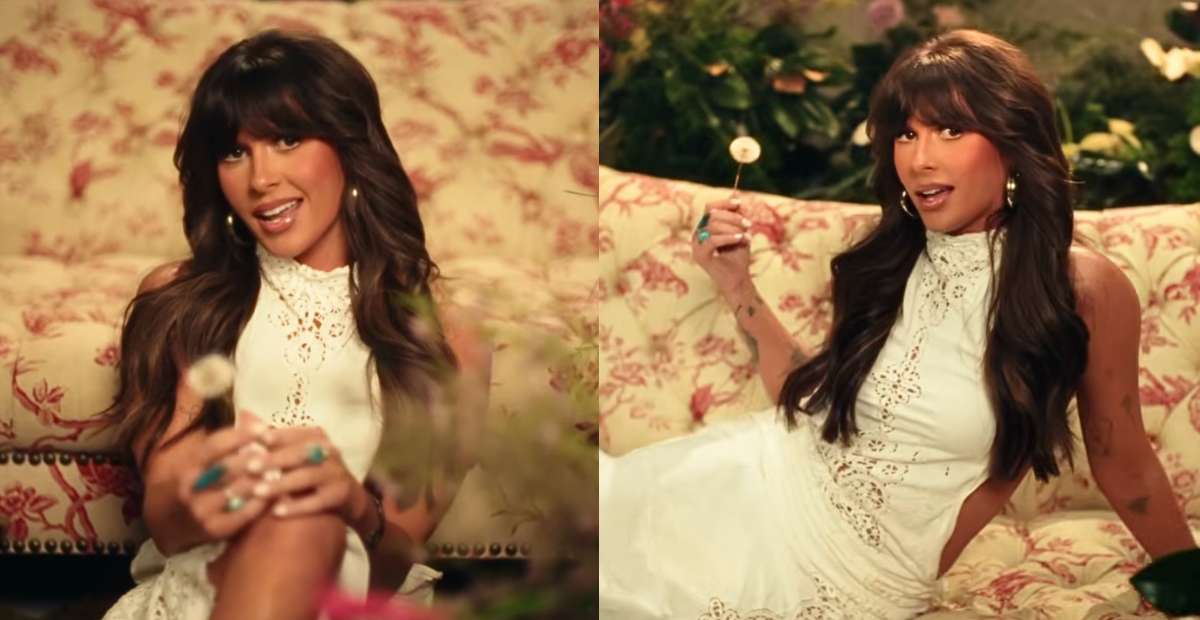
The album’s title track, “Dandelion,” serves as both the centerpiece and a powerful metaphor. Langley has explained that dandelions represent resilience and wild beauty — often dismissed as weeds yet capable of thriving anywhere, spreading freely on the breeze. The song embraces that imagery with lines about refusing to be a “pink bouquet” in a fancy vase, choosing instead to be something tougher, more authentic, and rooted in her rural upbringing. “Tried leavin’ where I come from, but I’m always gonna go back,” she sings, blending pride in her Southern roots with an acceptance of the parts of herself she can’t — and won’t — change.
Other tracks lean even deeper into emotional territory. “Broken” stands out as one of the most talked-about previews. In the song, Langley pleads for space to feel her pain without someone trying to fix it: “Don’t ask if I’m doing alright… just let me be broken.” The lyrics paint a picture of someone exhausted by well-meaning attempts to smooth over heartbreak, choosing instead to sit with the hurt until it passes on its own terms. Fans described the track as hauntingly relatable, with many sharing stories of their own moments when they simply needed permission to fall apart.
“Low Lights” offers a moodier, more cinematic vibe, evoking late nights and quiet reflections. “Speaking Terms” and “Last Call For Us” appear to wrestle with the complicated aftermath of relationships — the awkward limbo of trying to stay civil after love fades, or the final drinks shared before everything ends. Even upbeat moments like “Choosin’ Texas” (which became a major hit, reaching the top 5 on the Billboard Hot 100) carry layers beneath the catchy surface, touching on identity, loyalty to one’s origins, and the tension between where you come from and where you’re headed.
Throughout the previews, Langley’s delivery carried a noticeable vulnerability. There were deliberate pauses between lines — heavy, intentional silences that allowed the weight of the words to settle. In one clip, after singing a particularly raw lyric about choices and their consequences, she let the moment hang before continuing, almost as if she were giving listeners time to feel the impact alongside her. That hesitation wasn’t scripted showmanship; it felt like genuine unease about how openly she had poured herself into the music.
The album’s themes of growth and healing are woven throughout. Songs like “Loving Life Again” and “You & Me Time” offer glimpses of optimism and self-acceptance, suggesting that after the storms of Hungover, Langley has found new strength and clarity. Yet even these brighter moments are grounded in realism — acknowledging that healing isn’t linear and that some scars remain visible. Co-production by Miranda Lambert, a mentor figure in Langley’s career, brings an extra layer of authenticity. Lambert’s influence is evident in the album’s blend of traditional country elements with modern storytelling, creating a sound that feels both timeless and fresh.
Fans have responded with overwhelming enthusiasm mixed with emotional investment. Social media has been flooded with reactions ranging from heartfelt praise to intense speculation about which exes or situations might have inspired certain tracks. Some listeners say the album feels like sitting down for a late-night conversation with a close friend who’s finally ready to tell the full story. Others appreciate how Langley avoids self-pity, instead owning her choices and their outcomes with a mature perspective that feels rare for an artist still in her mid-20s.
The symbolism of the dandelion itself has sparked thoughtful discussions. Often overlooked or dismissed, the flower represents quiet strength and the ability to thrive in unlikely places. Langley has embraced this idea fully, positioning Dandelion as a celebration of being “a little more” than expected — wilder, more resilient, and unapologetically herself. The album’s artwork and promotional visuals lean into this aesthetic, featuring soft yellows, natural imagery, and a sense of freedom that contrasts with the more polished, neon-drenched vibes of some contemporary country releases.
Musically, Dandelion strikes a careful balance. Pedal steel, acoustic guitars, and warm production create an intimate, barroom feel on many tracks, while subtle pop influences keep it accessible to a broader audience. Langley’s magnetic voice — rich, expressive, and capable of shifting from vulnerable whispers to powerful belts — serves as the emotional anchor throughout the 18 songs (plus a short folk-inspired intro and outro).
For Langley, releasing this project represents more than career momentum. After the success of her debut and breakout singles, Dandelion feels like a statement of artistic identity. She has spoken about spending over a year and a half living with these songs daily, refining them until they felt true to her experiences. The vulnerability she shows in previews and interviews suggests she understands the risk involved in putting such personal work into the world — but she also seems at peace with it.
As Dandelion continues to make its mark, it’s clear that Ella Langley is carving out a unique space in country music. She blends classic storytelling with modern relatability, refusing to shy away from the messier sides of love and life. The heavy pauses, the trembling voice, and the deliberate vulnerability in her teases weren’t just promotional moments — they were early signals that this album demands to be felt, not just heard.
In the end, Dandelion may scare Langley a little because of how openly it exposes her. But that same honesty is exactly what makes it powerful. In a genre sometimes criticized for glossing over real emotion, Langley has delivered a record that sits with the hard truths, celebrates resilience, and reminds listeners that even the simplest wildflower can carry profound meaning.
Fans are already calling it one of the most honest country albums in recent memory — a body of work written when the artist had nothing left to hide, and perhaps, in sharing it so completely, found something beautiful waiting on the other side.