Disney Begins Major Layoffs at Marvel, Cutting Roughly 8% of Workforce in Cost-Cutting Drive for Greater Agility
On April 14, 2026, The Walt Disney Company officially initiated a significant round of layoffs that will eliminate approximately 1,000 positions across the organization. Among the hardest hit is Marvel, where sources indicate that roughly 7-8% of the workforce — spanning Marvel Studios in Burbank and Marvel Entertainment in New York — has been affected. The cuts touch nearly every corner of the Marvel operation, including film and television production, comics publishing, franchise management, finance, legal, and especially visual development.
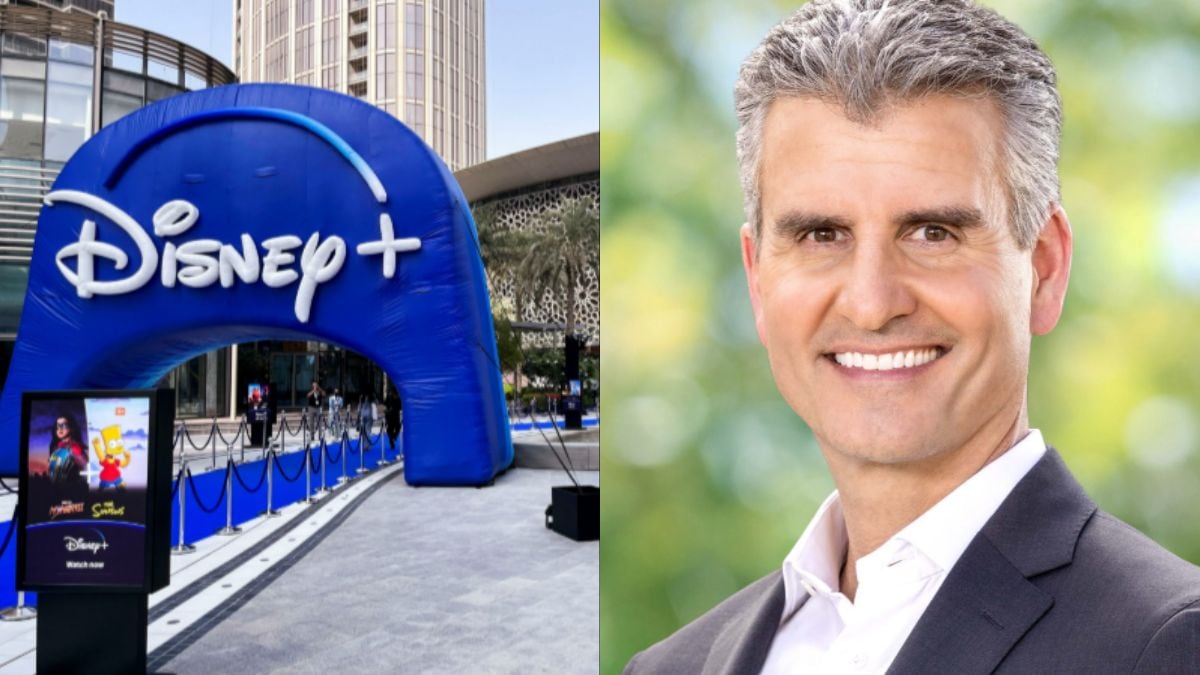
The move comes directly from new Disney CEO Josh D’Amaro, who addressed employees in an internal memo emphasizing the need to “streamline operations” and build “a more agile and technologically-enabled workforce” capable of meeting the fast-evolving demands of the entertainment industry. While the layoffs impact multiple divisions — including marketing (which underwent a major consolidation earlier in the year), ESPN, television, and certain corporate functions — the spotlight has fallen heavily on Marvel due to the scale and breadth of reductions there.
This is not the first time Disney has turned to workforce reductions as part of broader efficiency efforts. The company previously cut around 7,000 jobs in 2023 as part of a strategic realignment. The current round, though smaller in absolute numbers, feels particularly pointed at Marvel, which has been adjusting to a noticeably reduced production slate after years of aggressive output for both theatrical releases and Disney+ streaming.
Insiders report that the visual development team at Marvel Studios — the talented group of artists, illustrators, concept designers, and environment specialists responsible for shaping the iconic look of everything from the Avengers films to recent Disney+ series — has been especially devastated. In some accounts, nearly the entire in-house team has been let go, leaving only a small skeleton crew behind. Going forward, Marvel appears to be shifting toward a more flexible, project-by-project model that relies heavily on freelance contractors rather than maintaining a large permanent staff. While this approach promises cost savings and greater flexibility, it raises questions about long-term creative consistency and institutional knowledge within one of Disney’s most valuable brands.
The timing of these cuts is notable. Marvel has faced increasing scrutiny in recent years over “superhero fatigue,” mixed audience reception to some Phase Five and Six projects, and the high costs associated with maintaining an expansive cinematic and streaming universe. By scaling back internal headcount and production ambitions, Disney appears to be prioritizing quality over quantity and tighter financial discipline across its entertainment portfolio.
D’Amaro’s memo framed the decision as difficult but necessary, stating that the changes are “not a reflection of [employees’] contributions or of the overall strength of the company.” Instead, he positioned the layoffs as part of a continual evaluation of how best to manage resources and reinvest in core businesses while delivering the “world-class creativity and innovation” fans expect from Disney and Marvel.
For Marvel specifically, the reductions come amid a strategic recalibration. After a period of rapid expansion that saw the studio juggle multiple films and series simultaneously, leadership has signaled a desire for a more focused approach. Fewer projects per year could allow for greater attention to storytelling, visual quality, and audience engagement — goals that many fans and critics have called for following some recent underperformers.
The impact extends beyond film and TV. Marvel Comics, long a foundational part of the brand, is also seeing staff reductions. This division has faced its own challenges in the print and digital publishing space as audience habits shift and competition from other media grows. Franchise management, finance, and legal teams are likewise being trimmed, reflecting a company-wide push for operational efficiency.
Reactions within the industry and among fans have been mixed. Some view the moves as prudent business management in an era of rising production costs, streaming economics under pressure, and increasing competition from other studios. Others express concern that deep cuts — particularly to creative departments like visual development — could erode the collaborative culture and artistic excellence that helped build the Marvel Cinematic Universe into a global phenomenon.
The loss of experienced in-house artists is especially poignant. These professionals have contributed to the distinctive aesthetic that defines Marvel projects, from character designs and costume concepts to elaborate world-building. Transitioning to a contractor-based model may reduce overhead, but it risks losing the deep institutional memory and team synergy that develop over years of working together on ambitious, interconnected stories.
Disney has pushed back slightly on reports that Marvel’s cuts reached a full 8%, with some sources inside the company describing the actual figure as “much smaller.” Nevertheless, the consensus across multiple reports is that Marvel has been disproportionately affected relative to its size within the larger Disney empire, reflecting both the earlier reduction in its production pipeline and the broader corporate emphasis on agility.
Looking ahead, these changes could reshape how Marvel operates for years to come. A leaner organization might move faster, take more calculated creative risks, and allocate resources more efficiently toward high-priority projects. At the same time, the human cost is undeniable — hundreds of dedicated professionals who helped shape some of modern entertainment’s biggest successes are now facing uncertainty in a competitive job market.
The layoffs also arrive at a transitional moment for the MCU. With Avengers: Doomsday and Avengers: Secret Wars on the horizon as major tentpoles, and the integration of the X-Men and Fantastic Four continuing, Marvel will need to balance cost discipline with the creative ambition required to keep audiences invested in its ever-expanding multiverse.
For many longtime Marvel employees — from producers and writers to concept artists and legal experts — today marks a difficult and emotional turning point. The company that once represented explosive growth and seemingly unlimited opportunity is now signaling a more cautious, streamlined future.
As Disney and Marvel navigate this period of contraction, the hope among fans and remaining staff alike is that these changes will ultimately strengthen the brand rather than diminish it. The goal, as articulated by leadership, is to create a more agile organization capable of thriving in an increasingly fragmented and technologically driven media landscape — one that can continue to deliver the spectacular stories and unforgettable characters that have defined Marvel for decades.
Whether this “agility play” successfully positions Marvel for renewed creative and financial success remains to be seen. What is clear today is that the era of unchecked expansion has given way to a more measured, cost-conscious chapter — one in which even the mighty House of Ideas must adapt to survive and evolve.