CHRIS BROWN DOES NOT CARE ABOUT CANCEL CULTURE: “I Don’t Care to Make You Believe I’m a Great Person”
In a candid and unfiltered conversation that has reignited debates about accountability, redemption, and the entertainment industry’s selective memory, Chris Brown delivered a powerful message about his relationship with fame, awards, and public perception. Speaking with former NFL star Shannon Sharpe on the popular podcast Club Shay Shay, the R&B superstar made it clear that he has moved past seeking validation from award shows, mainstream media, or those who continue to define him by his past mistakes — particularly the 2009 assault on Rihanna.
Brown, who has sold millions of records, dominated charts for nearly two decades, and maintained a fiercely loyal fanbase known as #TeamBreezy, expressed a level of indifference that surprised some listeners. When the topic turned to cancel culture and industry blackballing, he was blunt. Since the highly publicized incident with Rihanna, major award shows and endorsement deals largely stopped reaching out. Rather than spending energy trying to win back the gatekeepers of mainstream approval, Brown says he has chosen to focus on what truly matters: his music, his fans, and the people in his inner circle who know him beyond the headlines.
“I don’t care to make you believe I’m a great person,” Brown told Sharpe. “Those who know me and I care about, they know.” It was a raw admission that encapsulated his current mindset — one of acceptance, resilience, and emotional detachment from the court of public opinion. For an artist who once seemed destined for perpetual mainstream dominance, the statement reflects years of navigating a complicated post-2009 reality where commercial success coexists with persistent criticism.
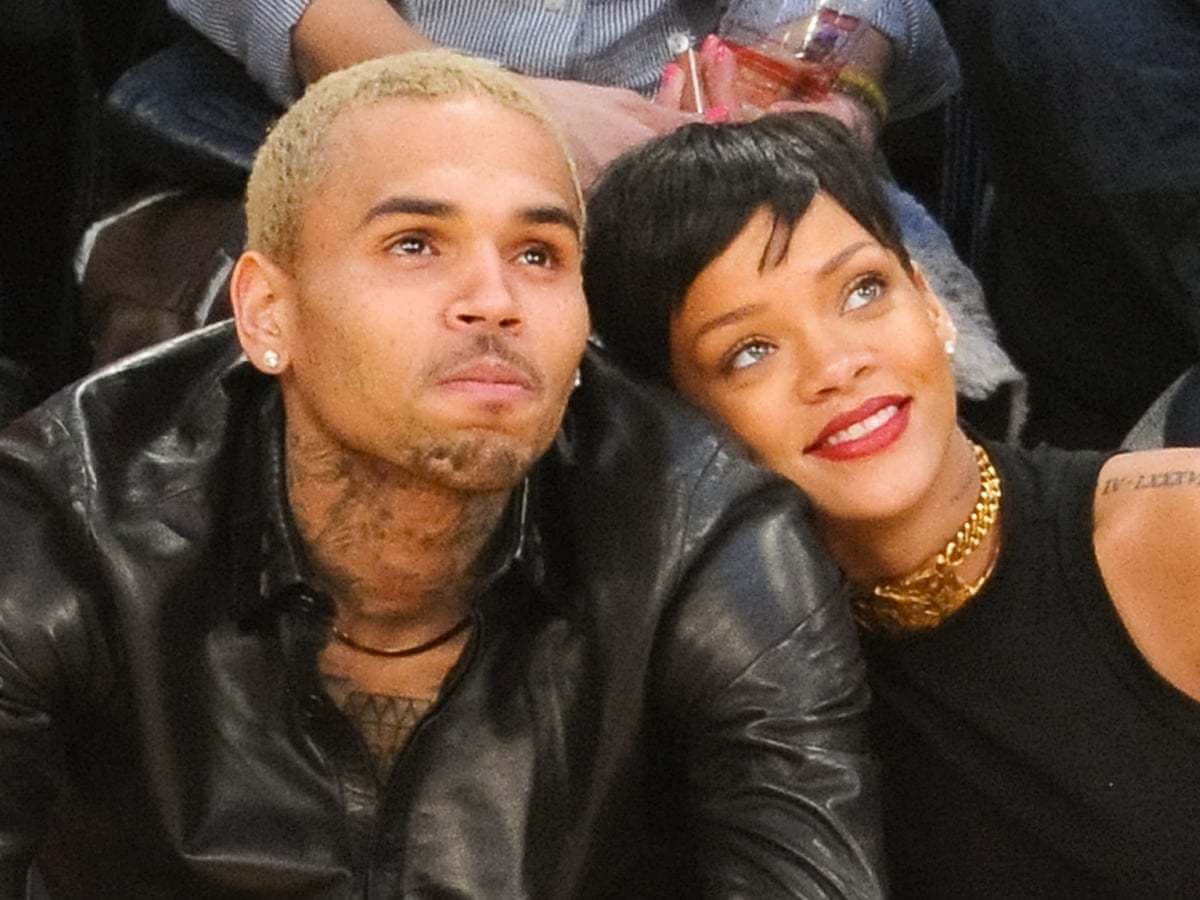
The 2009 assault on Rihanna remains the defining scar on Brown’s public image. The incident, which occurred just before the Grammy Awards that year, resulted in Brown pleading guilty to felony assault. He was sentenced to five years of probation, community labor, and domestic violence counseling. The graphic photos of Rihanna’s injuries sparked global outrage, leading to widespread condemnation, lost endorsements, and a sharp decline in invitations to major televised events. Brown has repeatedly expressed remorse, completed his legal obligations, and spoken about personal growth, therapy, and becoming a better father to his children. Yet for many, the moment remains unforgivable.
In the interview, Brown reflected on how the industry response felt like an abrupt shutdown. Award shows that once celebrated his talent as a singer, dancer, and performer suddenly kept their distance. Performances were pulled, collaborations became riskier, and the narrative shifted from “next Michael Jackson” to perpetual controversy. Despite this, Brown’s career refused to die. He continued releasing hit albums, selling out arenas worldwide, and evolving as an artist. His 2025 Breezy Bowl tour reportedly grossed significant revenue, proving that while some doors closed, others — driven by dedicated fans — remained wide open.
Brown’s stance challenges the mechanics of cancel culture itself. He told Sharpe he doesn’t even view what happened to him as classic “cancel culture” because his core supporters and commercial viability never truly disappeared. “My fans and the people who do love me, they kind of overshadow it because I’m still here,” he said. This perspective highlights a key divide in modern entertainment: the power of traditional gatekeepers (award shows, corporate sponsors, media outlets) versus the direct connection artists now have with audiences through streaming, social media, and live performances.
Throughout his career, Brown has shown flashes of defiance mixed with vulnerability. He has addressed the Rihanna situation in songs, interviews, and documentaries, sometimes expressing frustration at what he perceives as a double standard. Other artists with troubled histories have received warmer receptions from the industry, a point Brown and his supporters have subtly raised over the years. His comments to Sharpe were not framed as excuses but as a declaration of independence — he no longer feels the need to audition for redemption in front of people who may never grant it.
This mindset has allowed Brown to focus on artistic freedom. Known for his genre-blending style, intricate choreography, and raw emotional delivery, he has built a catalog that spans pop, R&B, hip-hop, and Afrobeats influences. Albums like F.A.M.E., Fortune, X, and later projects such as 11:11 (which earned him a Grammy) demonstrate consistent output despite external noise. His live shows remain spectacles of athleticism and vocal prowess, often praised as some of the best in the business.
Critics argue that Brown’s refusal to continuously perform public penance enables a culture where consequences feel temporary for the famous. Supporters counter that he has served his legal sentence, shown growth through fatherhood and philanthropy, and that endless punishment serves no purpose beyond performative outrage. The debate intensified when Brown won a Grammy in early 2025, with some viewers questioning whether “cancel culture” exists at all when an artist with his history can still claim industry honors.
Shannon Sharpe’s interview provided a platform for Brown to speak without heavy editing or agenda-driven framing. The conversation touched on personal growth, industry politics, fatherhood, and the mental toll of constant scrutiny. Brown’s calm delivery suggested a man who has made peace with his past while refusing to let it dictate his future. He acknowledged the pain caused but emphasized personal accountability to those closest to him rather than the broader public.
The interview also highlighted broader issues in how society handles celebrity redemption arcs. In an era of social media amplification, one mistake can define a career indefinitely, yet talent and market demand often allow artists to thrive anyway. Brown’s case is frequently compared to others who faced similar scrutiny. His continued success raises questions about whether true cancellation is even possible for artists with strong, self-sustaining fanbases.
For Brown, the freedom from caring about mainstream validation has been liberating. He no longer chases trophies or seeks universal approval. Instead, he channels energy into creating music, performing for packed crowds, and being present for his family. “I’m just gonna be one,” he has said in similar contexts — meaning he will focus on being a better person privately rather than performing change for applause.
As the entertainment landscape continues evolving, Brown’s attitude may represent a new model for artists facing backlash. Build direct connections with fans, deliver consistent work, and let the results speak louder than apologies. Whether one agrees with his perspective or not, his resilience is undeniable. From a teenage sensation to a battle-scarred veteran still topping charts and selling out tours in 2026, Chris Brown has proven that while the industry may shift, true talent finds a way to endure.
His message to Sharpe was ultimately one of self-acceptance: the people who matter already know who he is. For everyone else, he has stopped performing. In a culture obsessed with public atonement, Chris Brown’s indifference stands out as both controversial and refreshingly honest. Whether it helps or hinders his legacy will be decided not by award shows, but by time and the audience that has stood by him through every chapter.