In a rare and intimate glimpse into his personal life, King Charles III has shared details about his beloved private garden at Highgrove House, emphasizing his hands-on approach to gardening and sustainable living. The monarch, long known as an avid environmentalist, revealed that much of the fresh produce he consumes comes directly from his own organically managed estate, where he personally tends to the plants.
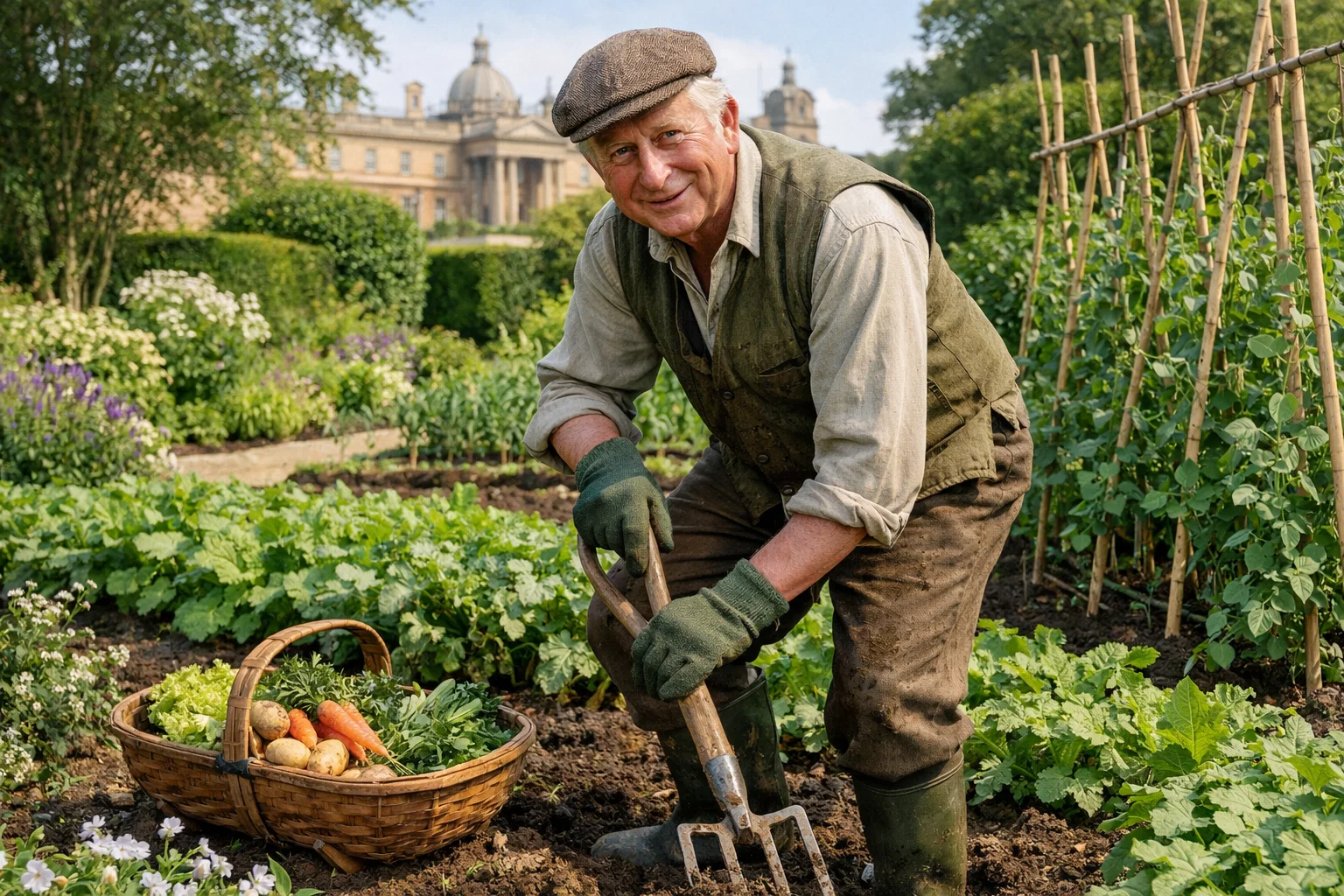
Highgrove, the King’s Gloucestershire residence since 1980, features expansive gardens that reflect his deep commitment to organic principles. Over four decades, Charles has transformed the grounds into a thriving example of sustainable horticulture. The estate includes dedicated kitchen gardens brimming with vegetables, fruits, and herbs – from carrots and broccoli to courgettes and prized white peaches. These areas supply the royal household with seasonal, chemical-free produce, aligning with the King’s philosophy of working in harmony with nature.
Charles has often spoken about his direct involvement in the gardening process. He is known to spend hours planting, pruning, and harvesting, drawing inspiration from his childhood experiences. As a young prince, he was encouraged by his family to cultivate small plots, fostering a lifelong love for growing food. Today, this passion extends to experimental techniques, such as creating wildflower meadows to support pollinators and maintaining compost systems that recycle organic waste from the estate.
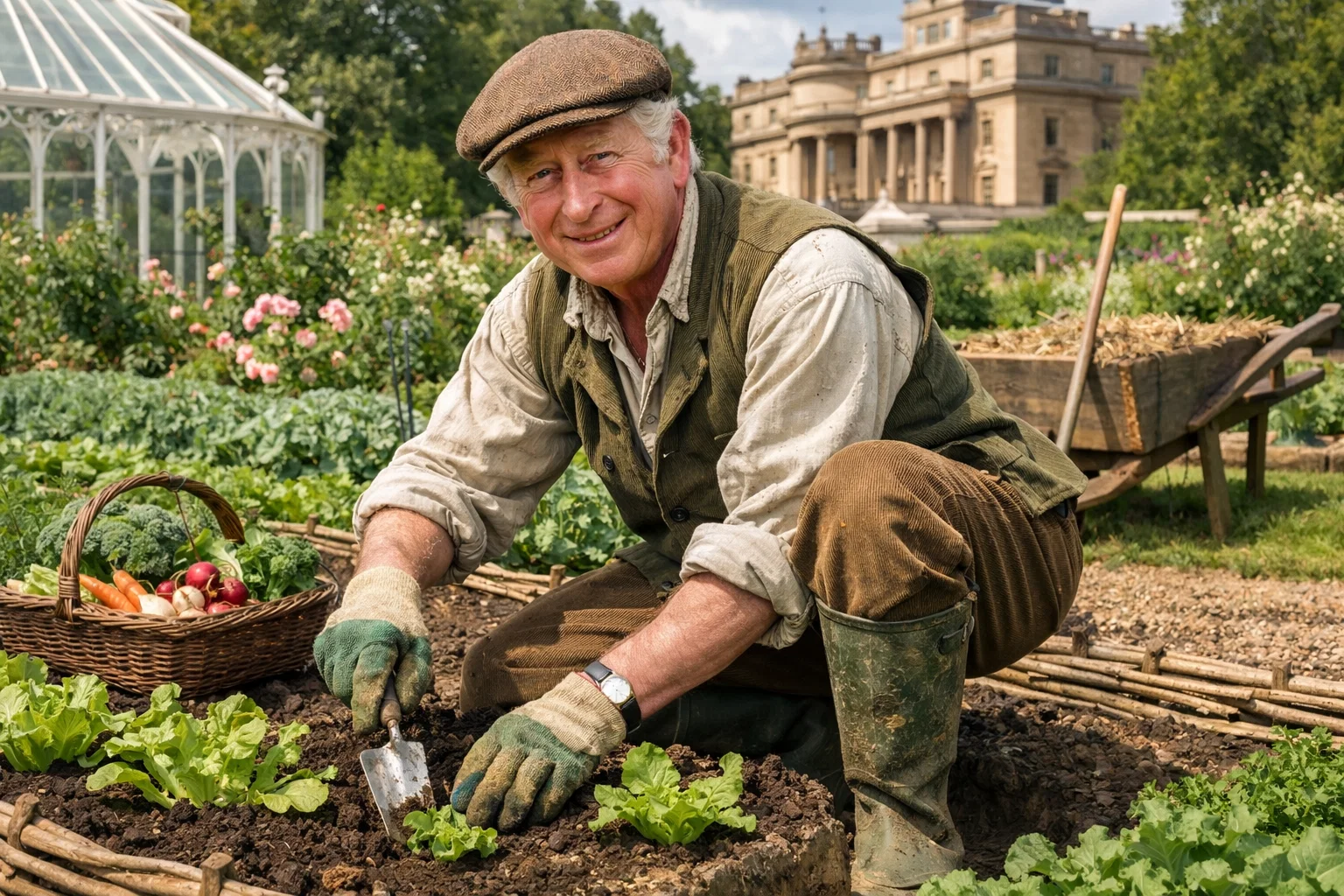
The gardens at Highgrove are managed entirely organically, a practice Charles pioneered long before it became mainstream. He converted the surrounding farmland to organic methods in the 1980s, leading to the creation of his successful Duchy Originals brand, which promotes high-quality, sustainably produced foods. Visitors to the gardens – open to the public for tours – often marvel at the diverse “rooms” of greenery, including topiary hedges, arboretums, and ornamental features that blend beauty with biodiversity.
This revelation underscores Charles’s role as a pioneer in environmental advocacy. For years, he has championed organic farming, biodiversity, and climate action, earning him the nickname “The Gardener King.” His efforts at Highgrove serve as a model for sustainable land management, demonstrating how large estates can prioritize ecology without synthetic inputs.
Beyond personal satisfaction, the King’s gardening habits highlight broader messages about food security and self-sufficiency. In an era of growing concern over industrial agriculture’s impact on the planet, Charles’s approach – harvesting what he plants himself – inspires many to reconnect with the soil. Queen Camilla has also praised the vegetable gardens, noting their abundance in summer months.
As Highgrove continues to evolve, with ongoing projects supported by The King’s Foundation, it remains a deeply personal sanctuary for Charles. The estate not only provides nourishment for the royal table but also embodies his vision for a greener future. Through quiet dedication over decades, King Charles III proves that even monarchs can get their hands dirty for the greater good, turning a private passion into a public lesson in sustainability.