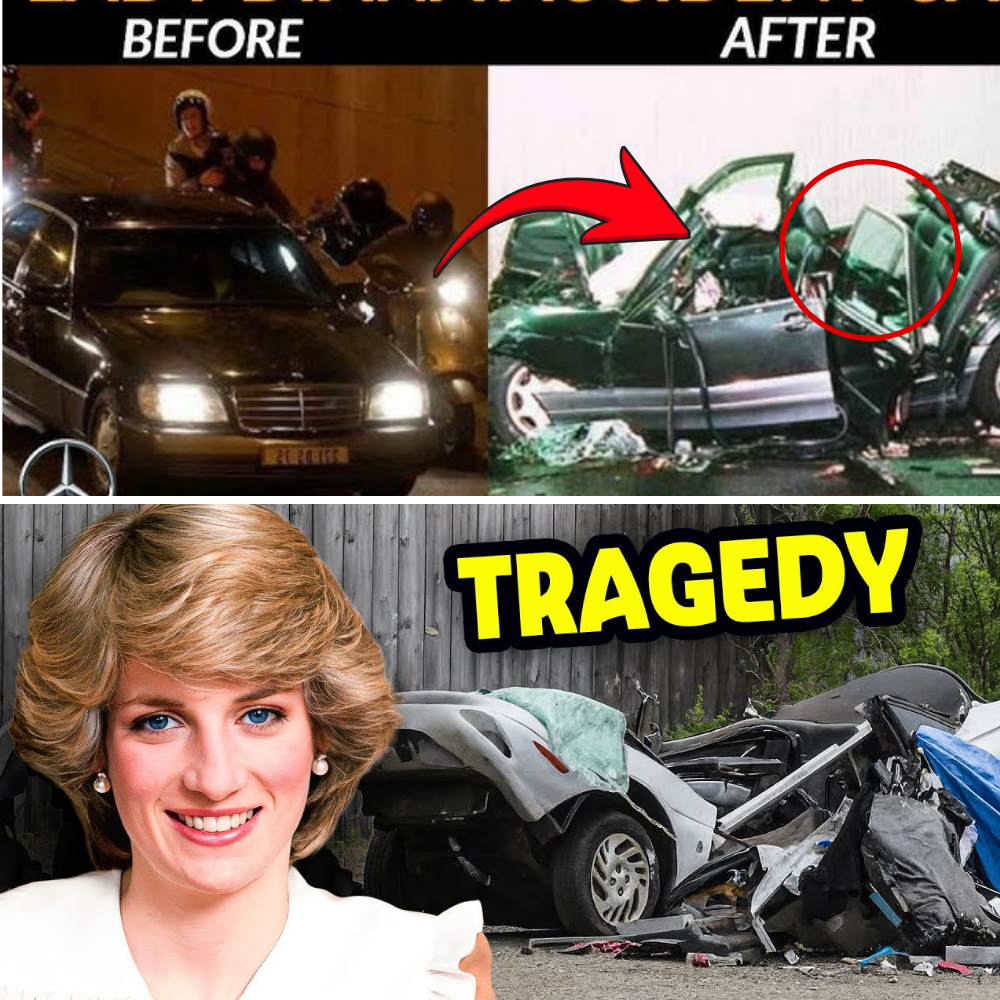
On the night of August 31, 1997, the world was shocked by the tragic death of Princess Diana in a high-speed car crash in Paris’s Pont de l’Alma tunnel. Nearly three decades later, conspiracy theories continue to swirl around the circumstances of that fateful evening, fueled by claims of missing evidence and unexplained disappearances.
Moments before the Mercedes carrying Diana, her companion Dodi Fayed, and driver Henri Paul entered the tunnel, traffic cameras reportedly captured chilling details: flashing headlights and a motorcycle riding alongside the vehicle. Whispers persist that frame 47 of this footage—potentially showing critical seconds leading to the crash—vanished from servers that very night. Adding to the intrigue, the technician responsible for monitoring the data, said to be named Jean-Luc Moreau, allegedly left his post hours later and was never seen again.
The official investigations paint a different picture. French authorities and the extensive British Operation Paget inquiry concluded that the crash resulted from Henri Paul’s impaired driving—he had alcohol levels three times the legal limit—combined with excessive speed and pursuit by paparazzi photographers. The Mercedes struck a pillar in the tunnel at over 60 mph, causing fatal injuries to Diana, Fayed, and Paul. Bodyguard Trevor Rees-Jones was the sole survivor.
One persistent theory revolves around the absence of CCTV footage from the tunnel. Reports suggest at least 14 cameras lined the Pont de l’Alma underpass, yet none captured the collision itself. Explanations vary: many cameras were privately operated security devices pointed at building entrances, not the road; others were traffic monitors that didn’t record at night or were offline. No evidence emerged of deliberate tampering or erased frames to support a cover-up.
Claims of flashing lights from pursuing motorcycles—possibly disorienting the driver—have also been scrutinized. Witnesses described bright flashes, often attributed to paparazzi cameras. Investigations dismissed ideas of a deliberate “strobe” attack, finding no proof of malicious intent beyond the chaotic chase.
The story of a vanishing technician echoes broader suspicions but lacks substantiation in official records. No verified reports confirm a Jean-Luc Moreau linked to the cameras disappearing under mysterious circumstances. Instead, such details appear rooted in unsubstantiated rumors that have amplified over time.
Other elements, like contact with a white Fiat Uno, added fuel to speculation, but the vehicle was never conclusively identified, and it played no decisive role in the crash.
Despite exhaustive probes—including toxicology reports, vehicle examinations, and witness testimonies—both French and British inquiries ruled Diana’s death an accident, exacerbated by the lack of seatbelts and high speed. Yet, for many, unanswered questions linger: Why no clear footage? What truly happened in those final seconds?
The enduring fascination with Diana’s death reflects not just grief for the “People’s Princess” but a deeper distrust of official narratives. As sealed French files remain closed until 2082, the mystery endures, inviting endless debate about what was captured—and what might have been lost forever—in Paris that tragic night.