In 2013, Zack Snyder’s Man of Steel introduced Henry Cavill as a brooding, powerful Superman, reimagining the iconic hero for a new generation. The film grossed over $668 million worldwide and sparked intense debate with its darker tone, culminating in controversial moments like Superman snapping General Zod’s neck. Yet, amid mixed reviews, fans overwhelmingly embraced Cavill’s portrayal.
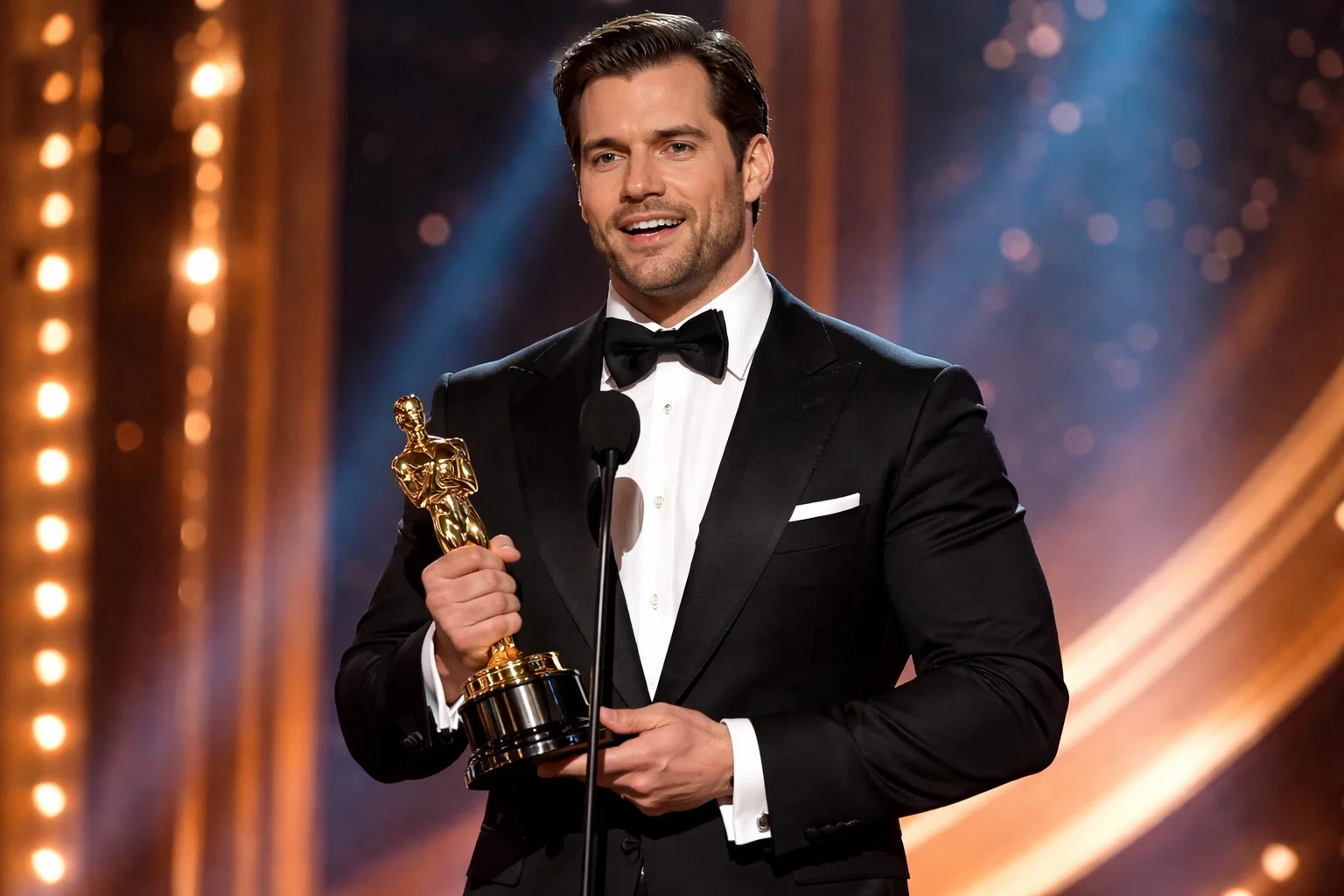
The high point came in 2014 when Cavill won the MTV Movie Award for Best Hero – a fan-voted honor that celebrated his Superman as the ultimate cinematic savior. Unable to attend the ceremony due to filming Batman v Superman: Dawn of Justice, Cavill’s victory was a testament to his global appeal. Fans rallied online, voting him ahead of competitors in a category that highlighted heroic performances. This award represented pure adoration from the audience, contrasting with critic divisions over the film’s gritty approach. It was an emotional pinnacle for Cavill, who had poured immense physical and emotional effort into the role, training rigorously to embody the Man of Steel.
This fan-driven recognition felt like validation after the intense scrutiny Man of Steel faced. The movie explored Clark Kent’s internal struggles, his adoption by the Kents, and his emergence as a symbol of hope – themes Cavill brought to life with depth and vulnerability. Iconic scenes, like his first flight soaring through the skies with Hans Zimmer’s soaring score, captured raw joy and power, resonating deeply with viewers.
However, this triumph proved short-lived. The DC Extended Universe (DCEU) quickly escalated into rushed crossovers. Batman v Superman: Dawn of Justice (2016) pitted Cavill’s Superman against Ben Affleck’s Batman, amplifying the darker tone but drawing heavy criticism for its pacing and gloominess. The film earned eight Razzie nominations, with Cavill nominated for Worst Actor and winning Worst Screen Combo alongside Affleck – a satirical jab that stung amid the backlash.
Subsequent entries like Justice League (2017), marred by production turmoil and reshoots, further fragmented the universe. Cavill reprised the role in a brief Black Adam cameo in 2022, sparking hope for a full return. He described suiting up again as profoundly emotional, reconnecting with the character’s optimism.
Yet, leadership changes at DC Studios brought James Gunn and Peter Safran to helm a rebooted DC Universe. Their vision focused on a younger Superman, leading to David Corenswet taking the cape in 2025’s Superman. Cavill’s era ended, not with fanfare, but quietly after years of uncertainty.
Looking back, that 2014 MTV win stands as a poignant reminder of what could have been: a Superman beloved by fans at his peak, before studio pressures, critical divides, and reboots overshadowed his journey. Cavill’s portrayal remains a cult favorite for many, proving that even in a turbulent franchise, genuine fan love can shine brightest – if only briefly.