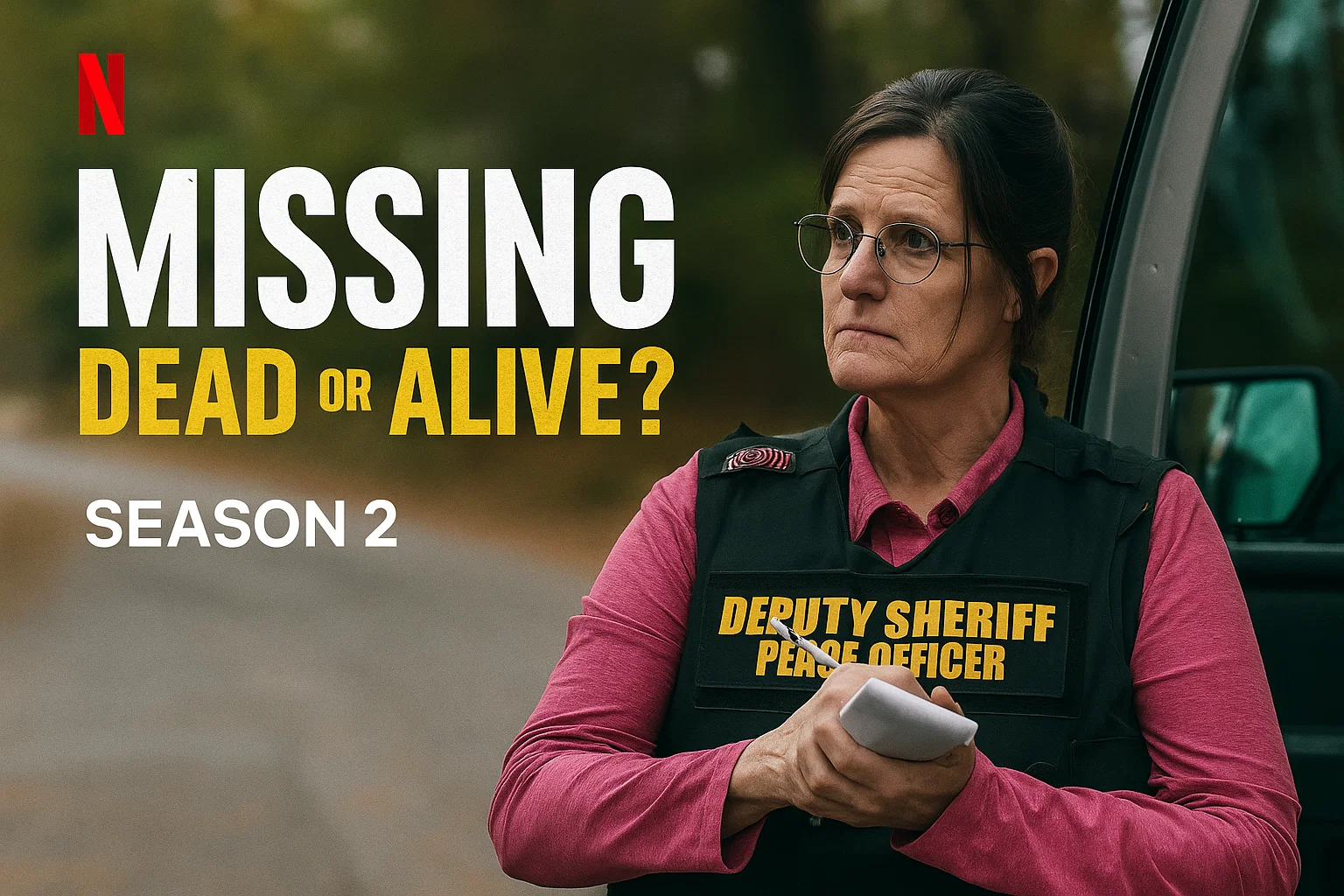
In the dim underbelly of Columbia, South Carolina, where humid nights swallow secrets whole, the Richland County Sheriff’s Department Missing Persons Unit wages a relentless war against the unknown. Netflix’s gripping docuseries Missing: Dead or Alive? returned on November 24, 2025, with Season 2, plunging viewers into four taut episodes that chronicle two harrowing real-life cases. More than mere procedural drama, this season strips bare the raw agony of families clinging to fading hope, as officers race against the merciless 48-hour clock—the golden window before leads evaporate and the missing slip into eternity.
At its core, the series remains a unflinching portrait of human fragility. Led by the steely Sergeant Vicki Rains, whose 20-plus years in the force have etched lines of quiet resolve on her face, the team includes the grizzled JP Smith, a 40-year veteran specializing in juvenile vanishings, and the unflappable Captain Heidi Jackson, overseeing the unit amid five other demanding departments. Their mantra? “No matter what, we will find you—dead or alive.” But as the episodes unfold, that pledge morphs into a gut-wrenching mantra, tested by cases that unravel like frayed threads, exposing layers of addiction, exploitation, and unspoken vulnerabilities.
The season kicks off with a frantic search for Morgan Duncan, a vulnerable college student who vanishes without his wallet, phone, or a single trace. Last seen stumbling from a party, Morgan’s disappearance ignites a multi-agency manhunt through tangled woodlands and shadowy apartment complexes. Officers comb Springtree Apartments, where he was last spotted, unearthing clues that point to a night blurred by substances and poor choices.
Interviews with frantic friends reveal a young man adrift—brilliant yet battling inner demons—whose absence leaves his mother shattered, her voice cracking over the phone as she begs for any sign. The tension builds as K9 units sniff out false leads, and helicopters slice through the canopy, but the abyss stares back empty. Months later, a tragic update in the finale confirms the worst: Morgan’s body, discovered in a nearby creek, six agonizing months after he vanished. It’s a sobering reminder that not all stories end in reunion; some echo only silence.

Interwoven is the devastating saga of Shandon Floyd, a 30-something transwoman whose midnight disappearance from a seedy hotel room spirals into a web of sex work, pimping, and overdose. Shandon, known to her mother as a fighter masking deep scars, checks into a room rented by Michael Eaddy, a suspected pimp advertising her services online. When she doesn’t answer calls, alarms blare—her car abandoned, belongings scattered.
Investigators unearth a grim tableau: drug paraphernalia, cryptic texts, and a credit card swiped post-disappearance. Eaddy and an accomplice spin alibis, claiming Shandon overdosed and they panicked, dumping her body to evade charges. South Carolina law offers no recourse for abandoning the dead, leaving prosecutors hamstrung. Shandon’s mother, blindsided by revelations of her daughter’s hidden life, grapples with grief laced with guilt, whispering, “I should have known.” The case exposes the lethal undercurrents of marginalization, where trans individuals face disproportionate risks, their pleas often drowned out.
What elevates Season 2 beyond sensationalism is its intimate lens on the toll. Rains confesses sleepless nights haunted by “what-ifs,” while Smith mentors rookies on the emotional minefield of juvenile cases. Jackson, a foster parent herself, bridges the gap between badge and broken home, her empathy a quiet force amid chaos. Filmed in real-time over grueling shoots, the series captures unscripted heartbreak: tear-streaked reunions aborted by forensics, families collapsing under DNA confirmations. It’s a stark counterpoint to glossy true-crime fare, underscoring that over 1,500 Americans vanish daily, per U.S. Department of Justice stats, many from overlooked communities.
Yet, amid the despair, glimmers of triumph persist. A swift rescue of a toddler in the opener—a heart-pounding woodland dash—affirms the unit’s tactical prowess. As Rains intones, “We keep an open mind. Hope isn’t a luxury; it’s our fuel.” Season 2 doesn’t just document; it indicts a system strained by time and resources, urging viewers to confront the ghosts in our midst. Long after credits roll, these stories linger like fog over the Congaree River—painful, profound, and profoundly human. In a world that forgets the missing, Missing: Dead or Alive? ensures they scream from the screen, demanding we listen.