As 2025 unfolds, one crime drama has emerged as a standout storytelling triumph, captivating audiences with its intricate plotting, emotional depth, and unrelenting suspense. Black Snow, the acclaimed Australian series now airing on BBC platforms, returned for its highly anticipated second season, delivering a masterful blend of cold-case mystery, family secrets, and personal trauma that has left viewers breathless. Starring Travis Fimmel as the tormented Detective James Cormack, this six-part thriller dives into chilling Queensland landscapes while unraveling dark human truths, earning rave reviews as one of the year’s most addictive and heartbreaking dramas. With jaw-dropping twists that reframe everything, fans are already clamoring for a third season, desperate to follow Cormack’s haunted journey further.
Originally premiering in Australia on New Year’s Day 2025 via Stan, Black Snow Season 2 quickly became a global sensation, arriving on BBC iPlayer and BBC Two in the spring to widespread acclaim. Created by Lucas Taylor, the series builds on the success of its debut season, which explored a decades-old murder in a sugarcane community tied to Australia’s complex history of South Sea Islander labor. This time, subtitled “Jack of Clubs,” the narrative shifts to a new cold case while deepening Cormack’s personal quest, creating a layered anthology format where each season tackles a fresh investigation against the backdrop of his unresolved childhood pain.
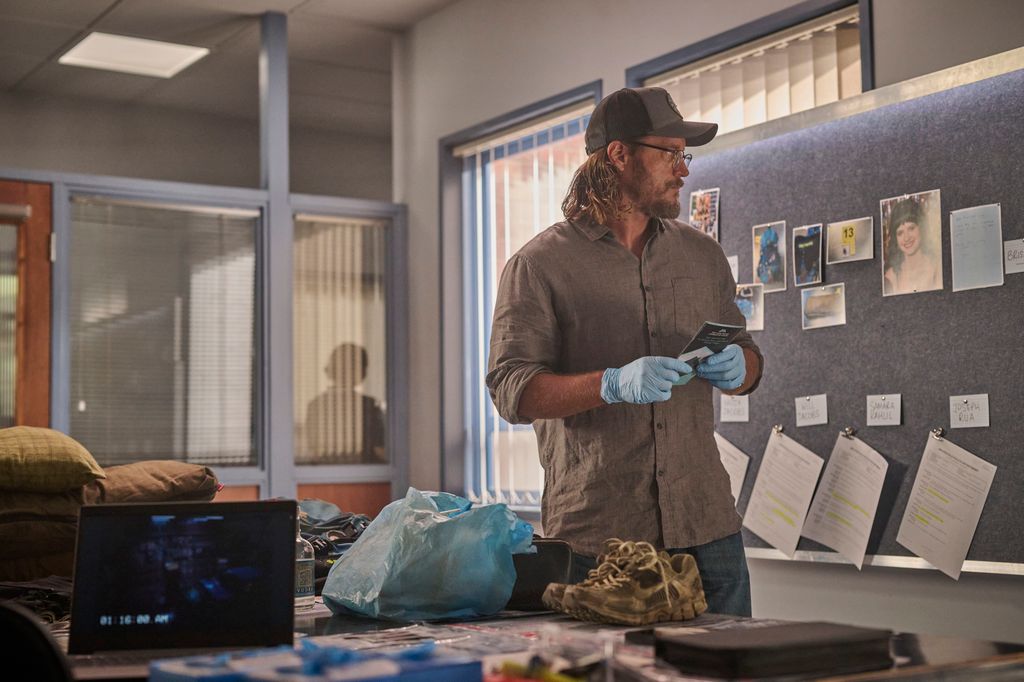
At the heart of the story is Detective James Cormack, a brilliant but deeply flawed cold-case specialist whose life is overshadowed by the disappearance of his younger brother Ritchie in 1994. Portrayed with raw intensity by Travis Fimmel—best known for his iconic role as Ragnar in Vikings—Cormack is a man driven by guilt and obsession. In Season 2, set in the present day of 2024, he relocates to the fictional rural town of Moorevale in Queensland to probe the vanishing of Zoe Jacobs, a vibrant young woman who disappeared without a trace during her 21st birthday party in 2003. What many dismissed as a runaway case takes a sinister turn when her backpack surfaces years later, prompting Cormack’s involvement.
As Cormack digs into Zoe’s life—flashbacks vividly recreating the fateful night filled with fireworks, music, and hidden tensions—he uncovers a tangle of family dysfunction, buried resentments, and suspicious alibis among her circle of friends and relatives. Parallel to this, Cormack pursues informal leads on his brother’s case, drawing parallels between the two disappearances that heighten the emotional stakes. The “Jack of Clubs” subtitle nods to a deck of playing cards featuring missing children, symbolizing Cormack’s relentless pursuit amid a system that often overlooks such tragedies.
Fimmel’s performance is the series’ anchor, showcasing his evolution into one of Australia’s most compelling actors. His Cormack is quietly magnetic—stoic yet simmering with inner turmoil, conveying volumes through subtle expressions and physicality. Notably, Fimmel made his directorial debut with the season finale, infusing it with a personal touch that amplifies the dramatic payoff. Critics and fans alike praise his nuanced portrayal, noting how he captures the detective’s isolation and determination without resorting to clichés.
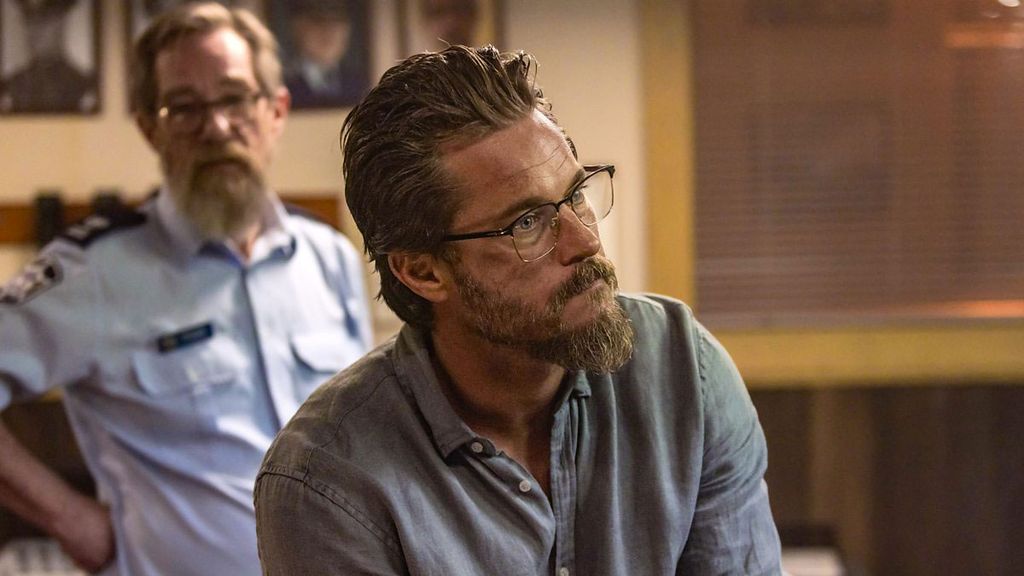
Joining Fimmel is a stellar ensemble breathing life into Moorevale’s tight-knit yet fractured community. Jana McKinnon shines as the enigmatic Zoe in flashbacks, bringing charisma and vulnerability to a character whose choices ripple through time. Megan Smart plays Constable Samara Khalil, a local officer who becomes Cormack’s reluctant partner and foil—their dynamic crackles with professional friction and unspoken understanding. Dan Spielman portrays Zoe’s brother Leo Jacobs, adding layers of grief and suspicion, while Kat Stewart and Victoria Haralabidou deliver standout supporting turns as figures entangled in the family’s secrets. Alana Mansour and others round out the cast, ensuring every interaction feels authentic and charged.
The plotting is razor-sharp, weaving dual timelines with precision. Early episodes establish the 2003 party atmosphere—youthful exuberance masking underlying cracks—before plunging into the present-day investigation’s mounting paranoia. Twists arrive organically yet shockingly, subverting expectations and forcing reevaluations of characters’ motives. Themes of generational trauma, rural isolation, and the lingering impact of loss permeate the narrative, elevating it beyond standard procedural fare. The Queensland setting is almost a character itself: sweeping views of the Glass House Mountains contrast with claustrophobic small-town scrutiny, enhancing the atmospheric dread.
Production values are impeccable, with cinematography capturing the region’s stark beauty and subtle menace. Filmed across Queensland locations, the series immerses viewers in sun-baked fields, misty peaks, and weathered homes that echo hidden histories. The score builds tension masterfully, blending eerie undertones with moments of poignant silence.
What resonates most is the emotional core: Cormack’s arc intertwines professional duty with personal demons, culminating in revelations that hit like gut punches. The season explores how unresolved grief shapes lives, blurring lines between justice and obsession. Viewers describe it as “haunting” and “heartbreaking,” a binge that demands uninterrupted viewing due to its compulsive momentum.
Since its BBC rollout, Black Snow has sparked fervent discussion, with audiences hailing it as superior to many international thrillers. High audience scores reflect its broad appeal, blending Scandi-noir moodiness with distinctly Australian grit. The finale’s cliffhanger—teasing major developments in Cormack’s brother storyline—has ignited passionate pleas for renewal. While no official announcement has come for Season 3, the overwhelming response suggests strong potential for more cold cases and deeper dives into Cormack’s psyche.
In a year crowded with crime dramas, Black Snow Season 2 stands out for its intelligence, heart, and sheer addictiveness. It’s a testament to Australian storytelling at its finest—unflinching, beautifully crafted, and profoundly moving. Whether you’re drawn to twisted mysteries or character-driven depth, this is essential viewing that will linger long after the screen fades to black. Dive in now; you won’t emerge unscathed.