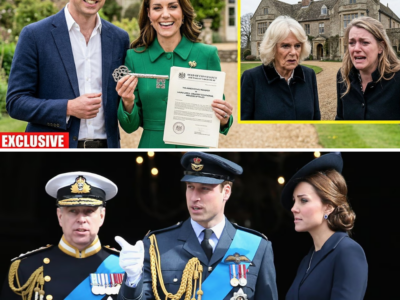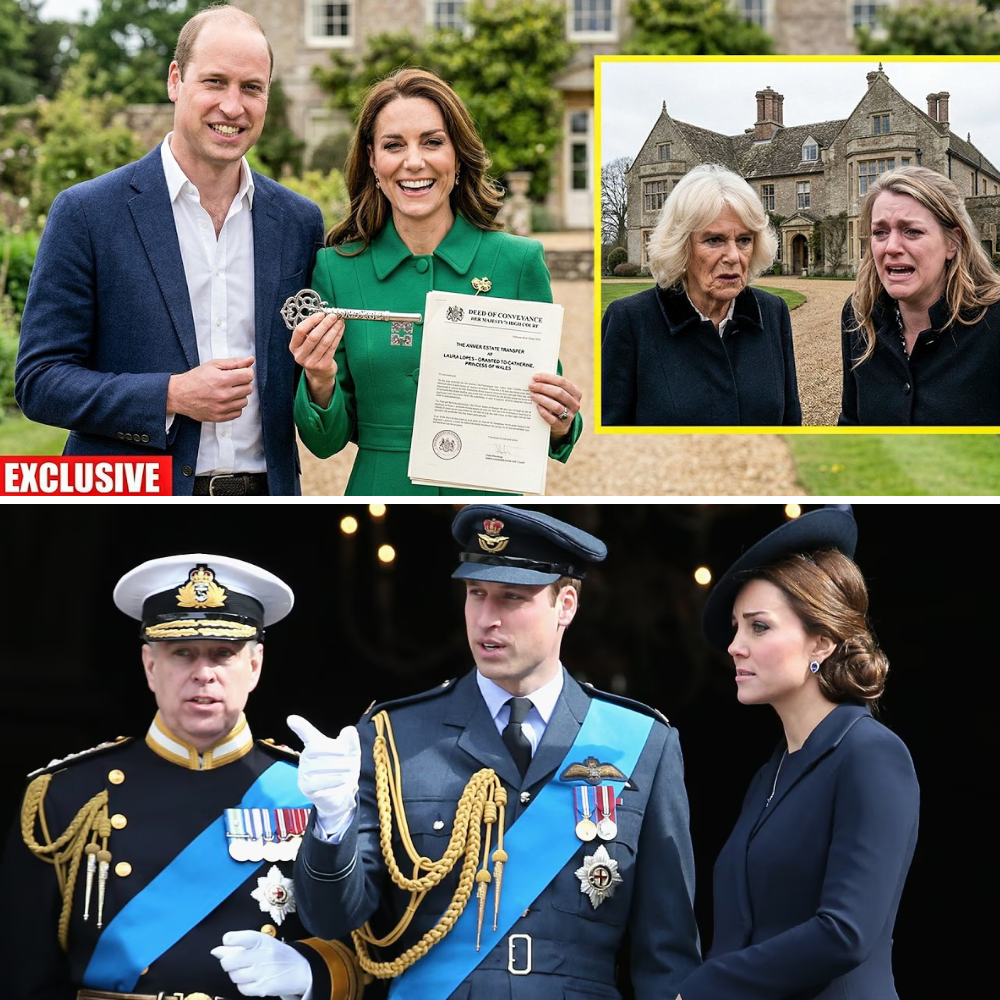
In a series of calculated maneuvers that signal a definitive shift in the House of Windsor’s power dynamic, the British Royal Family has embarked on a high-stakes game of “musical chairs” involving some of the nation’s most historic estates. At the heart of this upheaval is a clear message: the future belongs to William and Catherine, while the ghosts of the past are being systematically exorcised from the royal grounds.
The most poignant symbol of this transition is the relocation of the Prince and Princess of Wales. Moving from the relatively modest four-bedroom Adelaide Cottage, the family has officially secured a 20-year lease on Forest Lodge, a grand Georgian villa nestled within the Windsor Castle estate. Boasting eight bedrooms, six bathrooms, a private tennis court, and a serene lake, Forest Lodge is being positioned as their “forever home.” In a move designed to insulate the couple from “scrounger” headlines, the Waleses are reportedly paying full market rent to the Crown Estate and have personally funded extensive renovations, including structural repairs to the ceilings and floors. This financial independence is a strategic shield, allowing them to establish a palatial base for Prince George, Princess Charlotte, and Prince Louis without the sting of public outcry.
While William builds his fortress, his uncle, Prince Andrew, has seen his own collapse. In a scene described by insiders as “humiliating,” the former Duke of York was forced to vacate the 30-room Royal Lodge under the cover of darkness on February 2, 2026. The eviction marks the culmination of years of tension following the Jeffrey Epstein scandal. Sources suggest that Prince William was the primary architect of this expulsion, viewing Andrew’s continued presence at Windsor as a toxic stain on the monarchy’s branding. Andrew is now expected to retreat to a far more humble existence at Marsh Farm on the Sandringham estate, a move that effectively ends his life as a resident of the royal inner sanctum.
Simultaneously, Queen Camilla is quietly securing her own legacy outside the palace walls. Records reveal she has transferred the ownership of Ray Mill House—her private sanctuary valued at £850,000—to her children, Laura Lopes and Tom Parker Bowles. This Wiltshire retreat has long been Camilla’s “bolt-hole,” a place where she can escape the rigors of royal life. The transfer is viewed by experts as a dual-purpose strategy: a savvy move to mitigate future inheritance tax and a safeguard to ensure her children have a permanent residence should the King’s health or reign face sudden changes.
In a final act of protective devotion, King Charles III has reportedly intervened to ensure his wife’s privacy remains absolute. Through a discreet shell company, the King purchased “The Old Mill”—a property directly adjacent to Camilla’s estate—for a staggering £3.75 million. The move was reportedly triggered by fears that the site would be developed into a noisy commercial wedding venue. By controlling the surrounding land, Charles has effectively bought silence and seclusion for the Queen, ensuring that her private haven remains just that.
As the dust settles, the map of Windsor and beyond has been redrawn. With William and Catherine firmly entrenched in their new stronghold and Andrew cast out to the fringes, the King’s vision of a streamlined, modern monarchy is no longer a plan—it is a reality.
News

The Silence Before the Bloodbath: Why Family Business Season 7 Could Shatter Everything We Thought We Knew
In the high-stakes world of Carl Weber’s The Family Business, the calm after a chaotic season has never felt more deceptive. Season 6 wrapped up on BET+ with betrayals, power…

From Empire to Cradle: Horace and Kimmie’s Desperate Quest for a New Bellarie in Beauty in Black Season 3
As Tyler Perry’s explosive drama Beauty in Black gears up for its third and final season, the stakes have never been higher — or more personal. What began as a…
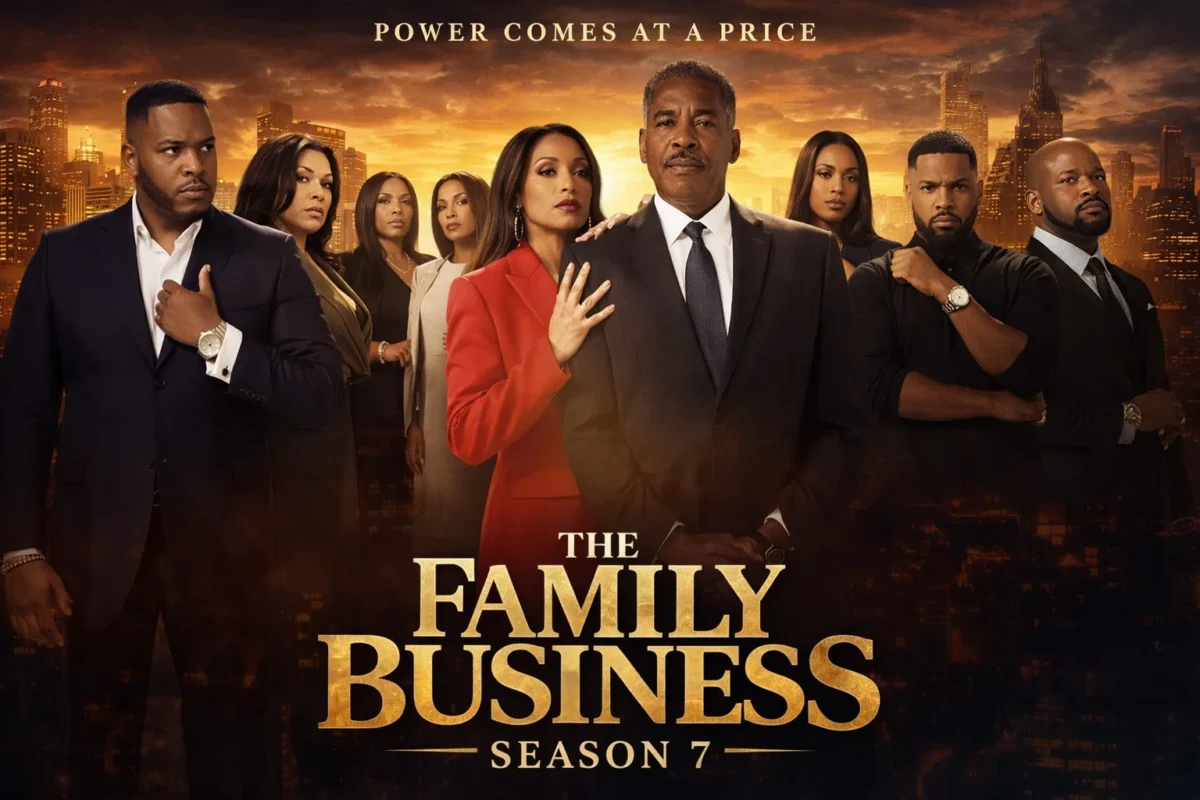
Duncan Family’s Deadly Return: Season 7 Drops July 13, 2026 – Final Cast Revealed and Secrets That Will Shatter Everything
The wait is almost over for fans of one of BET+’s most addictive crime dramas. Carl Weber’s The Family Business Season 7 is officially set to premiere on July 13,…

Love Blinds a Duncan: The Family Business Season 7 Teases a Deadly Deal That Could Destroy Everything They Built
The countdown to The Family Business Season 7 has fans on the edge of their seats. After the explosive events of Season 6, the powerful Duncan family is preparing for…

The Duncan Legacy Teeters on the Brink: “The Family Business” Season 7 Trailer Drops Explosive New Chapter
The wait is over. The first official trailer for The Family Business Season 7 has just been released, and it wastes no time plunging viewers back into the dangerous world…
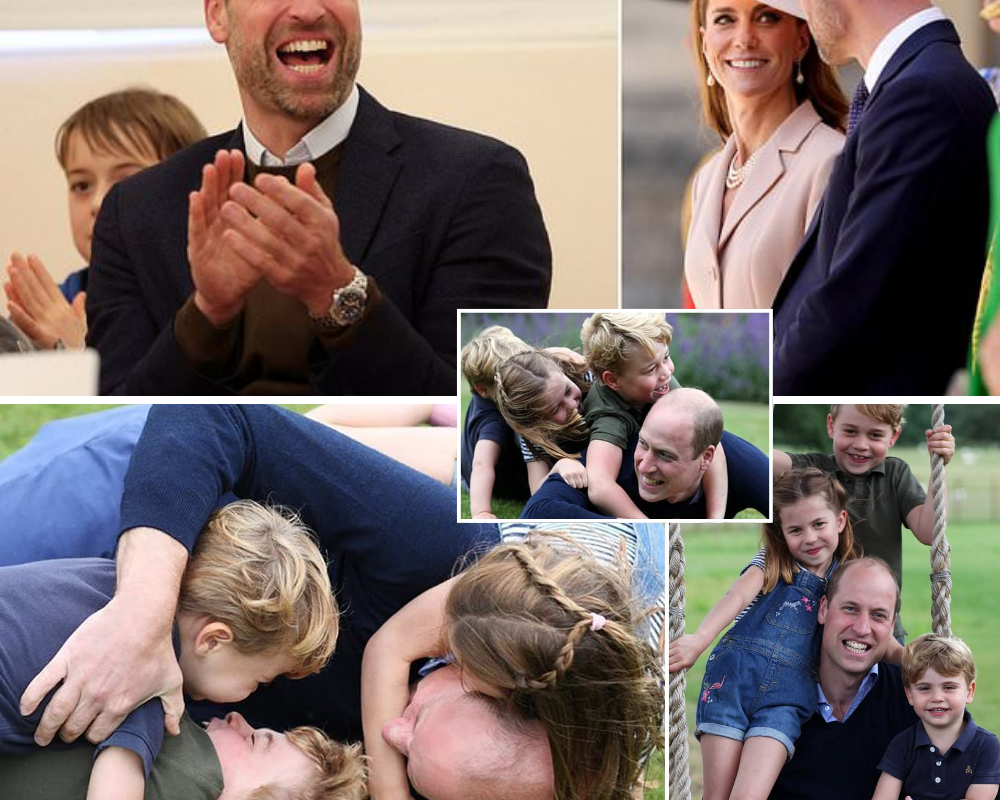
Behind Every Strong Man Stands an Even Stronger Love: Prince William’s Emotional Reminder That No One Succeeds Alone
In a touching moment that resonated far beyond royal circles, the Prince of Wales reflected on a simple yet profound truth — no one can navigate life entirely on their…
End of content
No more pages to load