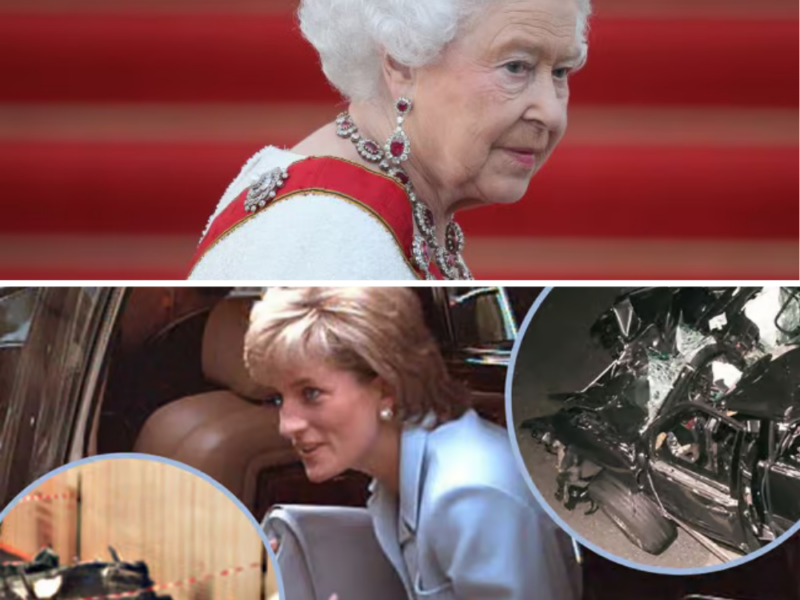
‘The Queen Signed Diana’s Death Warrant’: Former Bodyguard’s Explosive Claim Reignites One of the Royal Family’s Most Controversial Tragedies
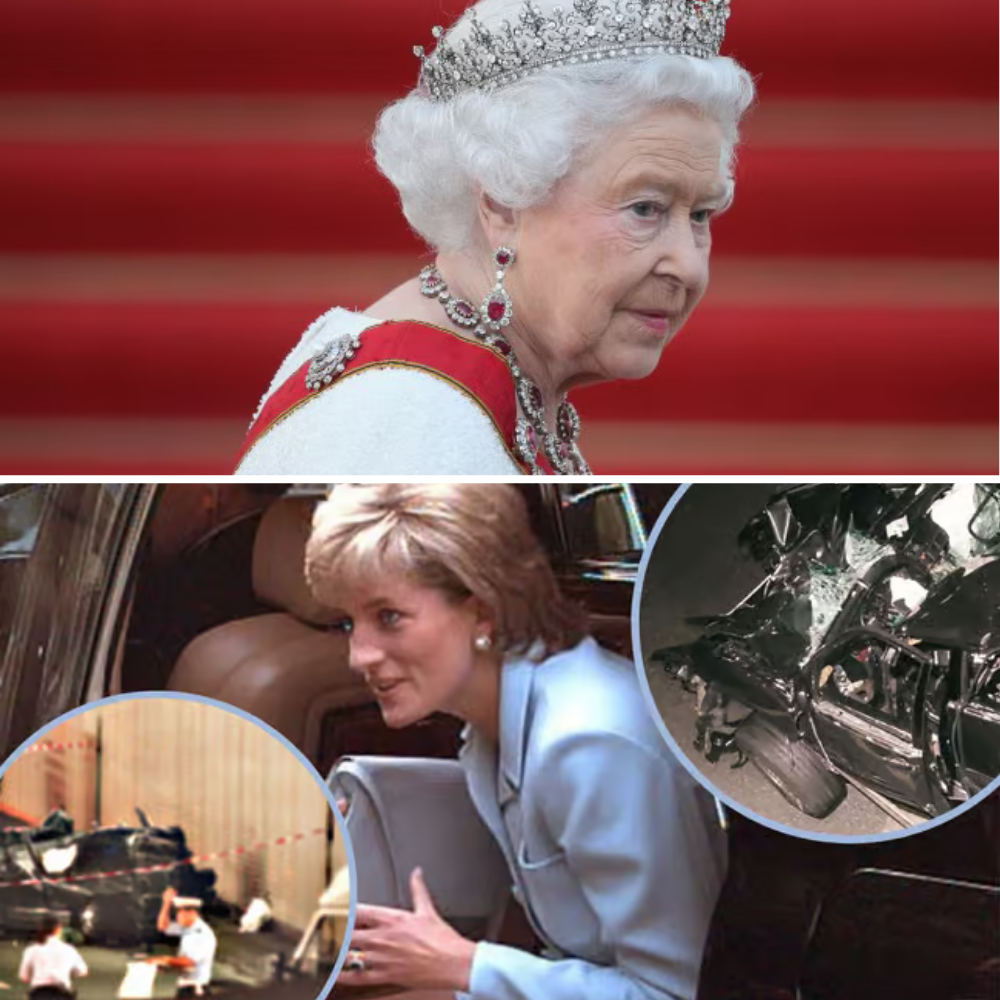
Nearly three decades after Princess Diana’s tragic death in a Paris car crash, one of the people who knew her best has reignited debate with a provocative claim that is once again placing the British royal family under intense scrutiny.
Ken Wharfe, who served as Princess Diana’s personal protection officer for several years, recently argued that Queen Elizabeth II bore ultimate responsibility for the circumstances that led to Diana’s fatal accident. His remarks have sparked fresh discussion about the security decisions made after Diana’s divorce from the then-Prince Charles and whether those choices left her dangerously exposed.
Wharfe’s comments were not an allegation that the late Queen orchestrated Diana’s death. Instead, he argued that by allowing the Princess of Wales to lose her official royal protection, the monarchy made a decision that dramatically increased the risks she faced as one of the world’s most recognizable public figures. According to his view, maintaining experienced royal security officers could have prevented the chain of events that unfolded in Paris on August 31, 1997.
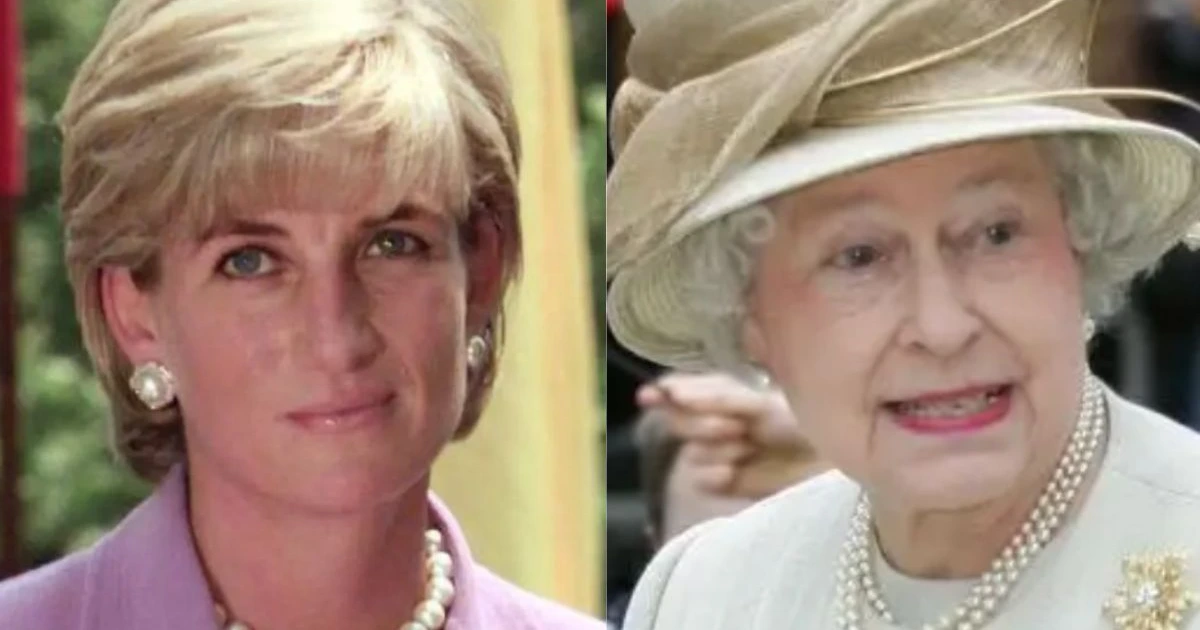
Following her separation and eventual divorce from King Charles III, Diana no longer received the same level of Metropolitan Police protection she had while carrying out official royal duties. During her final summer, she relied primarily on privately arranged security while vacationing with Dodi Fayed. On the night of the crash, Diana, Dodi Fayed and driver Henri Paul left the Ritz Hotel in Paris before their Mercedes crashed inside the Pont de l’Alma tunnel. Diana, Dodi and Paul all died, while bodyguard Trevor Rees-Jones survived with severe injuries.
Official investigations conducted by both French authorities and the UK’s Operation Paget concluded that the crash resulted from a combination of excessive speed, Henri Paul’s impaired driving and the pursuit by paparazzi. The investigations found no evidence supporting claims of a conspiracy or assassination.
Interestingly, Wharfe has consistently rejected conspiracy theories suggesting Diana was deliberately murdered. Over the years, he has repeatedly stated that he believes the crash was a tragic accident rather than an orchestrated killing. His latest comments instead focus on institutional responsibility, arguing that better security planning—and experienced royal protection officers empowered to enforce safety measures such as seatbelt use—might have dramatically changed the outcome.

The debate over Diana’s final days continues to fascinate royal watchers because it touches on larger questions about duty, privacy and the pressures of public life. Even decades after her death, every new perspective from those closest to the late princess attracts worldwide attention.
Princess Diana remains one of the most beloved figures in modern royal history. Her humanitarian work, compassion and ability to connect with ordinary people continue to define her legacy. Yet the circumstances surrounding her death remain one of the monarchy’s darkest chapters, ensuring that any fresh claim—particularly from someone who served at her side—will inevitably revive discussion about decisions made behind palace walls.
While official findings remain unchanged, Wharfe’s remarks have reopened an emotional conversation about whether different security decisions could have altered one of history’s most heartbreaking royal tragedies.