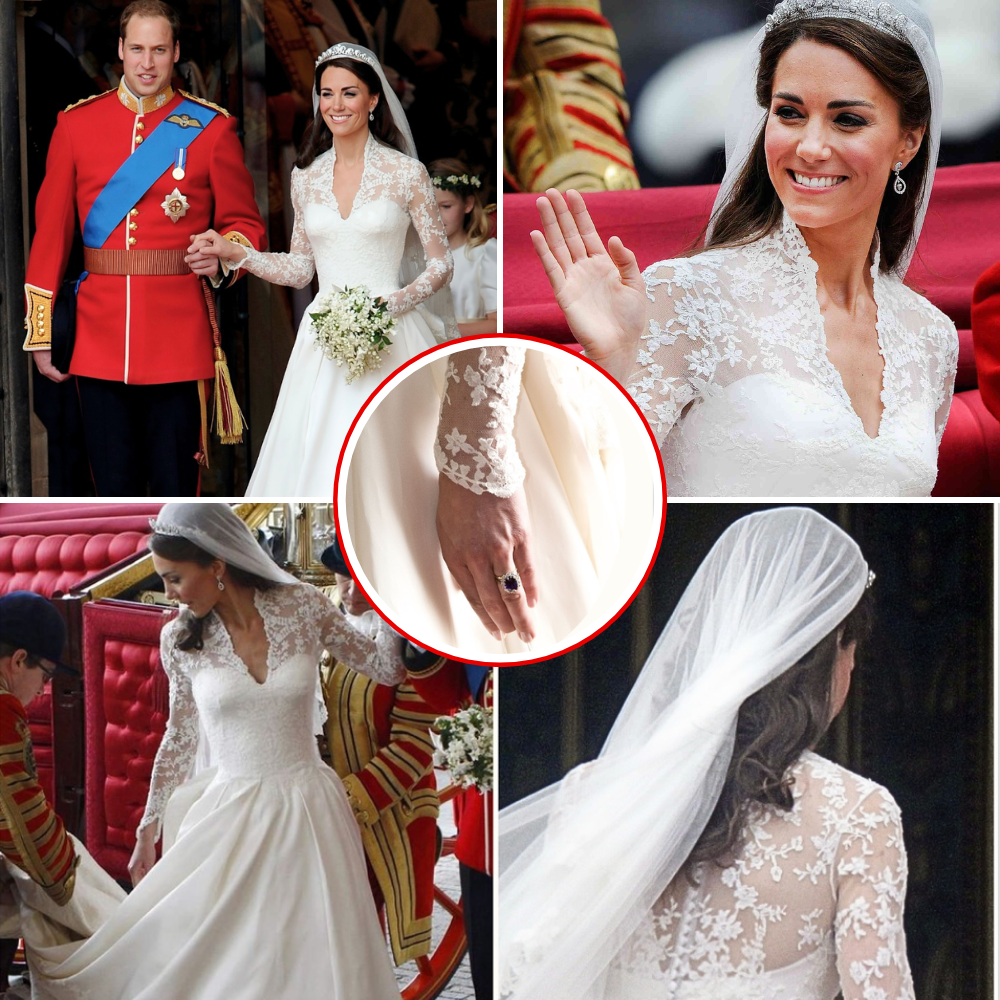
The wedding of Prince William and Kate Middleton on April 29, 2011, remains one of the most watched and cherished royal events in modern history. As Kate stepped out of the Rolls-Royce at Westminster Abbey, the world held its breath at the sight of her breathtaking gown. Designed by Sarah Burton for Alexander McQueen, the ivory silk gazar creation was a masterpiece of understated elegance—long sleeves of intricate lace, a fitted bodice, and a sweeping train that whispered across the ancient stones.
Every element was intentional. The lace appliqué, handcrafted by the Royal School of Needlework, featured delicate motifs: the rose for England, the thistle for Scotland, the daffodil for Wales, and the shamrock for Northern Ireland. These floral symbols were not mere decoration; they wove a quiet tribute to the unity of the United Kingdom, blooming across the bodice, sleeves, and skirt like a living garden. The craftsmanship was extraordinary—thousands of hours of embroidery, with techniques passed down through generations, ensuring the lace appeared almost weightless yet impossibly detailed.
Yet, for all its visible splendor, the gown held secrets known only to a privileged few. One detail, hidden from public view for years, has recently captured renewed fascination. Tucked discreetly inside the bodice was a small blue ribbon—a nod to the timeless wedding tradition of “something blue” for good luck and fidelity. While many brides incorporate this custom, Kate’s version carried a deeper significance: it was a private, personal touch in a dress otherwise defined by royal restraint and public symbolism. No previous royal bride’s gown had quite this intimate, folklore-inspired element sewn so subtly into the structure, blending ancient superstition with modern sentiment in a way that felt uniquely hers.
The secrecy surrounding the dress added to its mystique. The team worked behind locked doors, with changed codes and curtains shielding their work. Even close family members were kept in the dark until the moment Kate emerged. Burton herself described the process as intensely private, a bubble of creativity amid global anticipation.
Years later, as photographs and retrospectives circulate anew, people marvel at how timeless it remains. The gown’s clean lines and modest neckline defied trends, proving that true elegance endures. It wasn’t just fabric and thread—it was a story of love, heritage, and quiet strength. Kate walked down the aisle not only as a bride but as a symbol of continuity, her dress carrying whispers of the past while looking firmly to the future. In an era of fleeting fashion, this creation stands as a reminder that some secrets are meant to be discovered slowly, revealing their beauty over time.
News
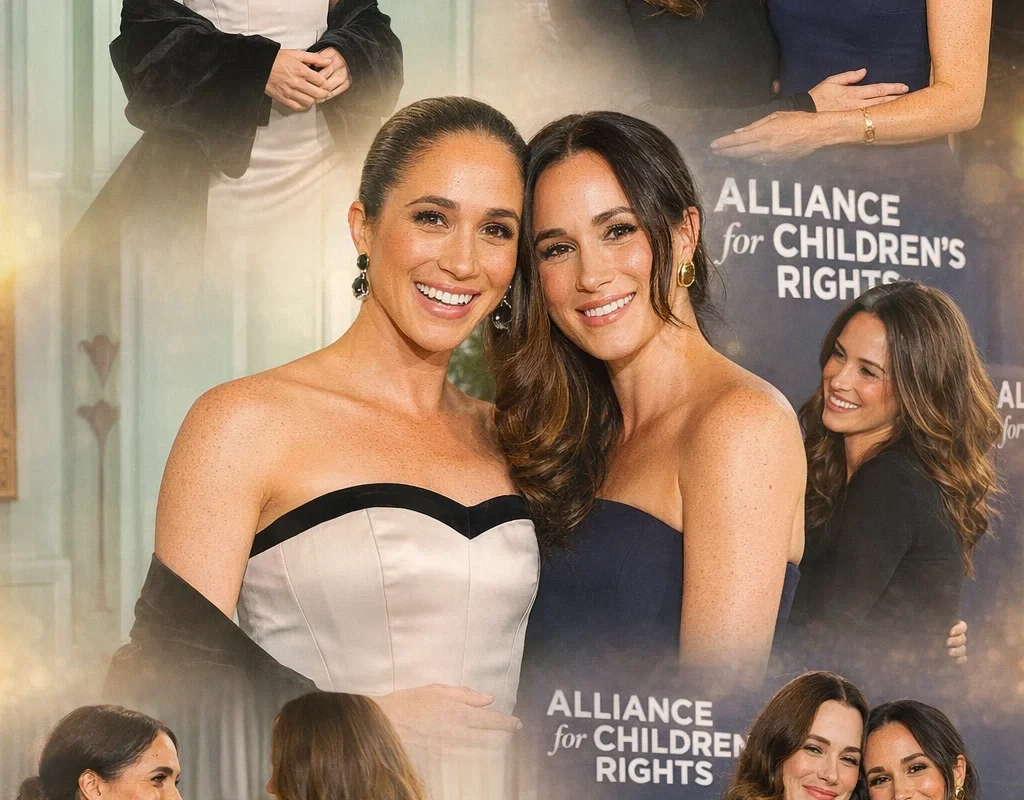
Meghan Markle Dazzles in £3,000 Strapless Ralph Lauren Gown at LA Charity Gala — Radiating Inner Confidence Amid Netflix Rumors
Meghan Markle walked the red carpet for a charity bash in Los Angeles in her first appearance since ending her lifestyle partnership with Netflix. The Duchess of Sussex, 44, picked an understated yet chic…
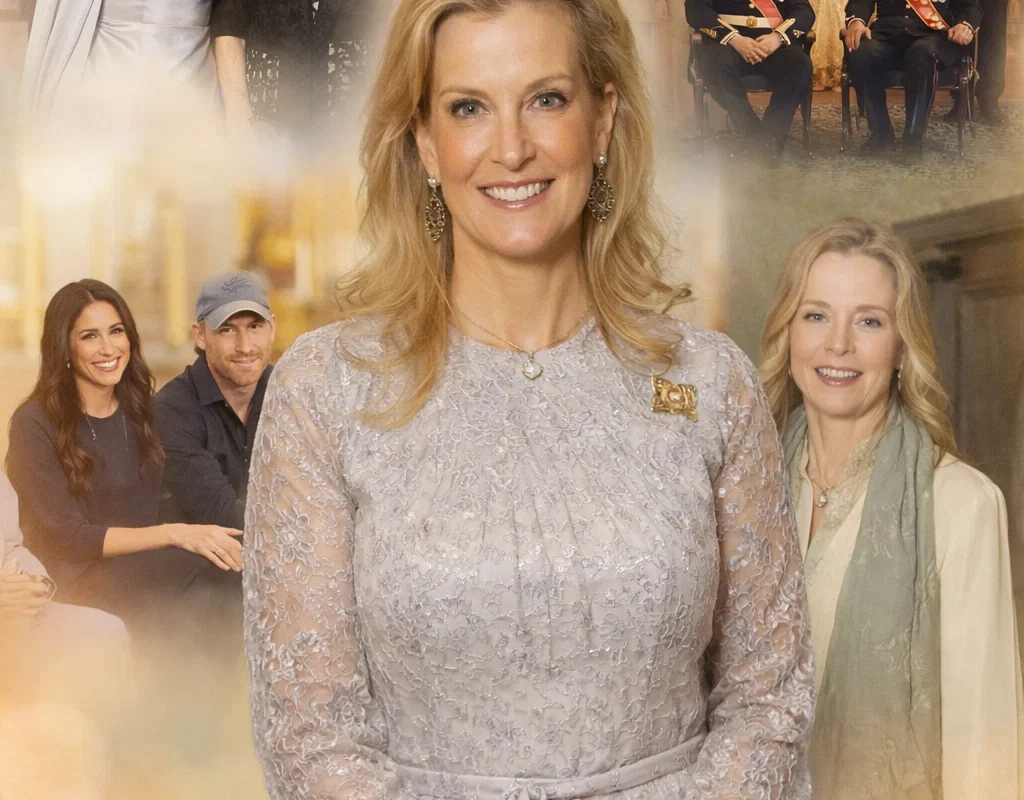
Royal Ladies’ Elegant Night Out: Sophie, Duchess of Edinburgh, Makes Rare Joint Appearance with Lady Helen Taylor at Star-Studded Jane Goodall Legacy Gala
The glamorous Duchess of Edinburgh made a surprise appearance with Lady Helen Taylor at a gala to celebrate the legacy of Dr Jane Goodall last night. Sophie, 61, stunned in a flowing,…
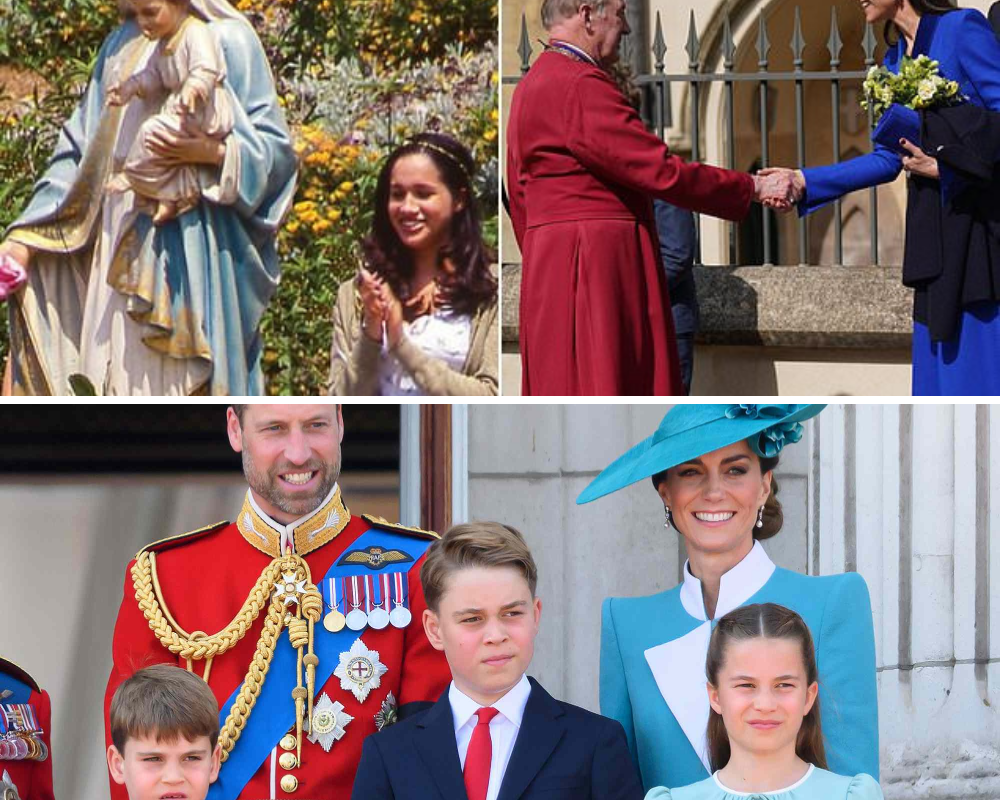
Prince William’s ‘Quiet Faith’ Sparks Fury – But His Real Spiritual Strength Lies With Kate & Meghan?
Prince William has sparked controversy with a somewhat lukewarm endorsement of the Church of England, which he will one day govern, after it was revealed he has a ‘quiet faith’. However,…
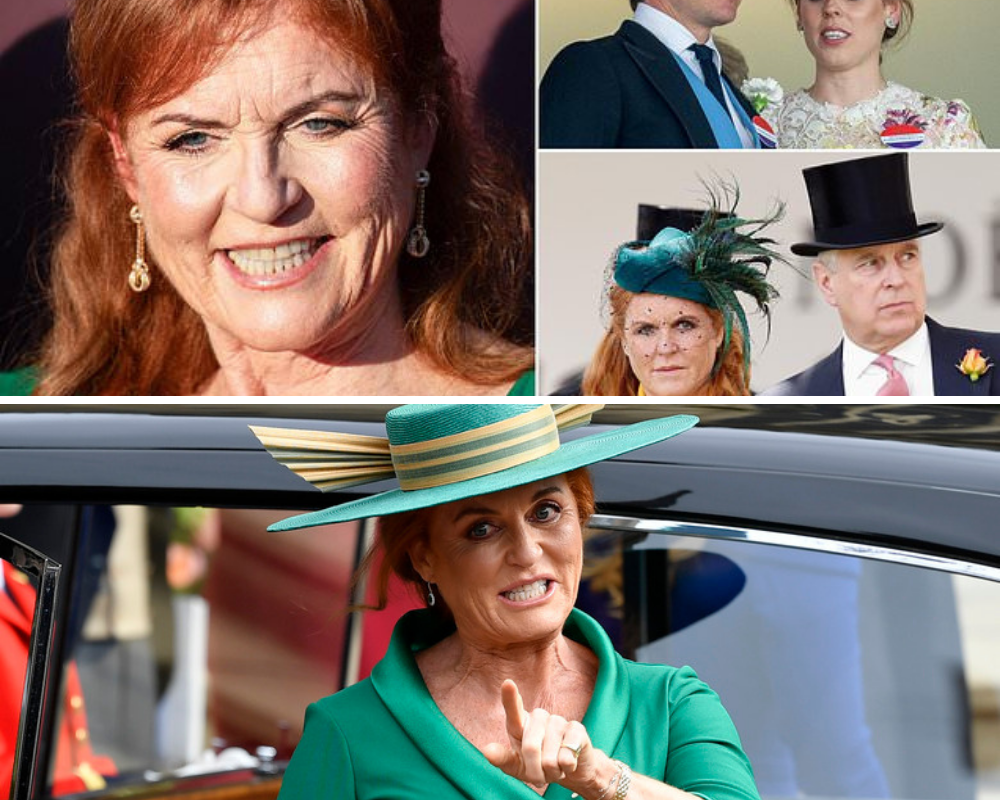
🚨 BREAKING: Where the HELL is Fergie?! 😱Sarah Vine just dropped the BOMBSHELL — she knows the REAL secret behind why NO ONE can find Sarah Ferguson!
The former Duchess of York, once one of the most photographed women in Britain, has effectively become the royal family’s most famous missing person. She has not been seen in…
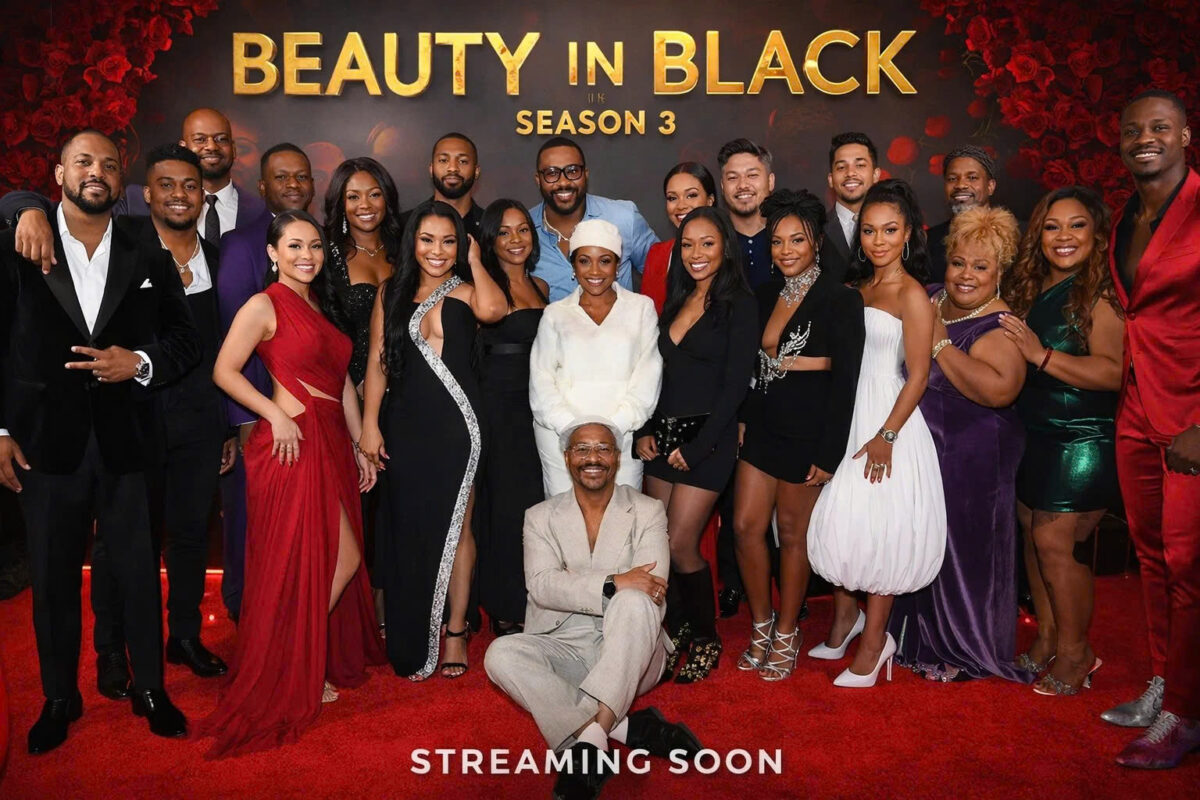
Pregnant by the Enemy’s Son, Trapped in a Deadly Love Triangle, and One Shocking Wedding — Beauty in Black Season 3 Is About to Explode Everything!
The clock is ticking. Tyler Perry’s explosive drama Beauty in Black returns for its third and final season on Netflix, and if the early teases are anything to go by,…
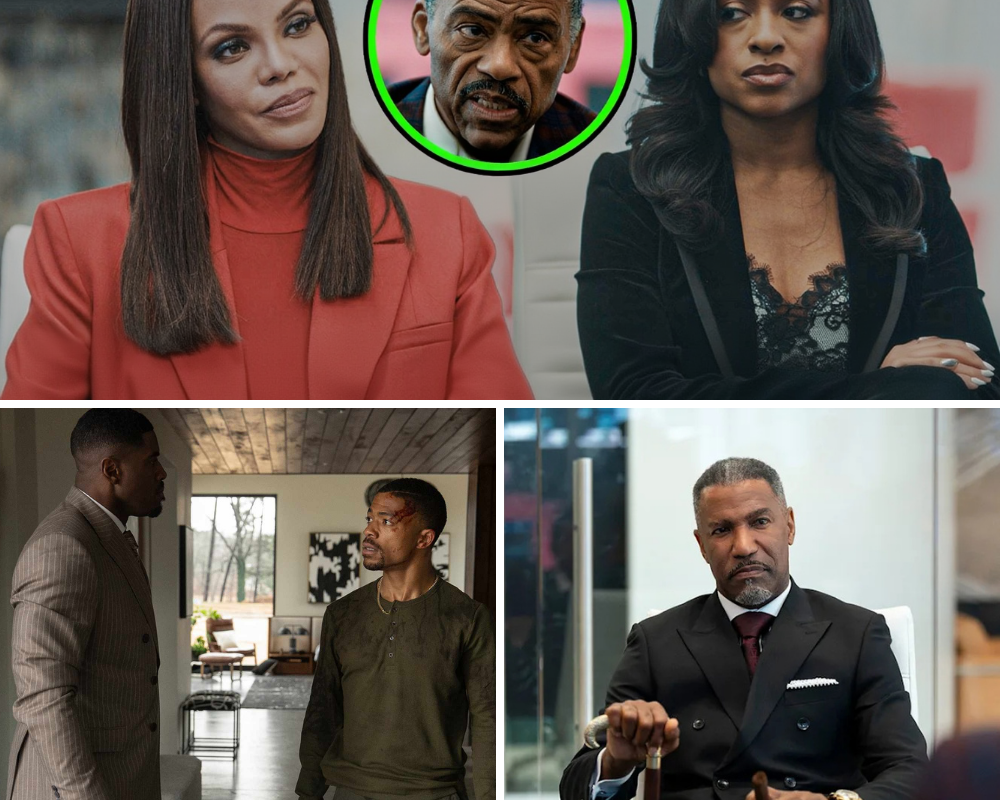
She Thought She Had Them Wrapped Around Her Finger — But Mallory’s Deadly Power Play in Beauty in Black Season 3 Just Backfired in the Most Shocking Way Yet!
The explosive final season of Tyler Perry’s hit drama Beauty in Black has arrived, and the series finale delivers a jaw-dropping conclusion that no one saw coming. In a season…
End of content
No more pages to load