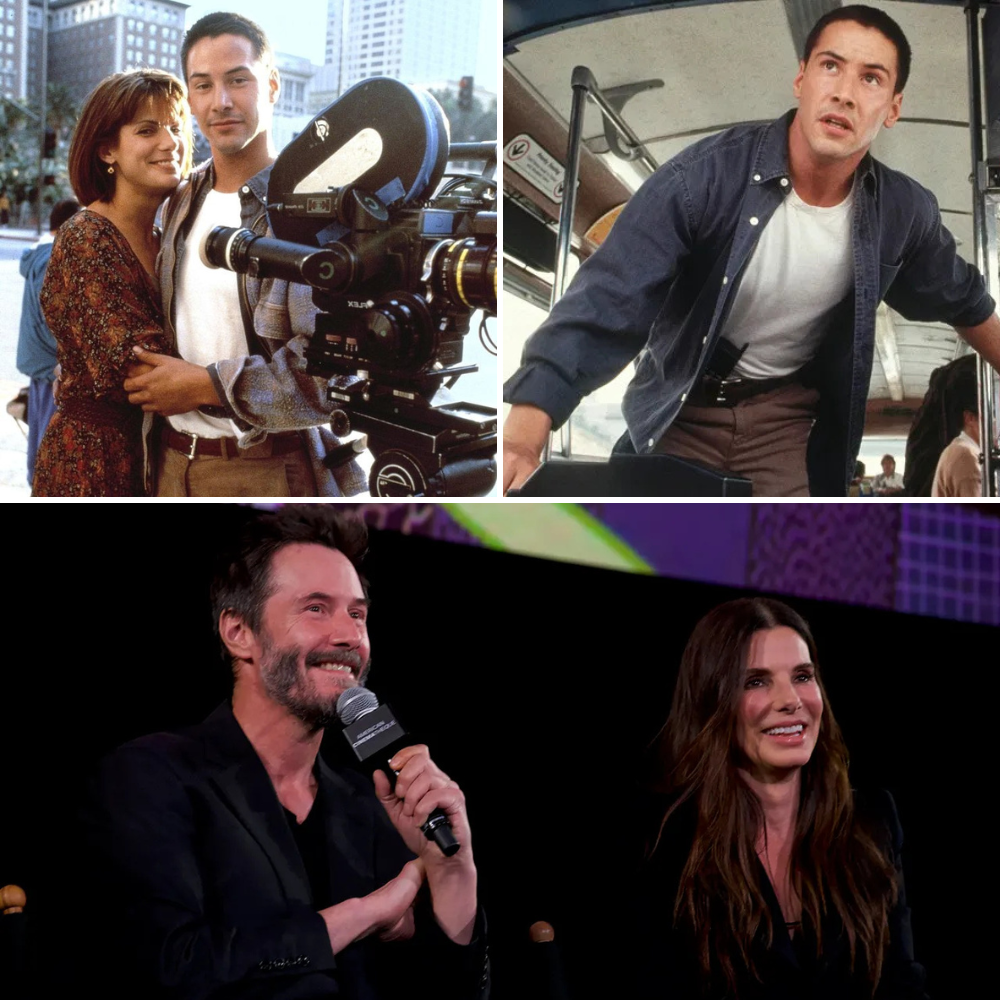
In an era when many actors rely heavily on stunt doubles and green-screen magic, Sandra Bullock chose a refreshingly old-school approach for her breakout role in the 1994 action thriller Speed. Instead of simply pretending to handle a massive city bus hurtling through Los Angeles traffic at breakneck speeds, Bullock decided to master the skill herself. She obtained a genuine Santa Monica bus driver’s license before filming even began — and remarkably, she passed the test on her very first attempt.
Driving a public bus is no small feat. These vehicles are long, heavy, and notoriously difficult to maneuver, especially at high speeds or in tight urban spaces. The responsibility is enormous: you’re in control of a large machine surrounded by cars, pedestrians, and unpredictable road conditions. Bullock didn’t just sit through a few casual lessons. She committed to proper training, learning the precise handling, braking distances, and spatial awareness required to operate such a cumbersome vehicle confidently. Her decision went far beyond surface-level preparation; it reflected a deep desire for authenticity in a high-stakes action film where tension builds from the constant threat of disaster if the bus drops below 50 mph.
This level of dedication paid off visibly on screen. Bullock’s portrayal of Annie Porter — the reluctant passenger who ends up behind the wheel — feels grounded and believable because it was built on real experience. Every grip on the steering wheel, every quick glance in the mirrors, and every moment of controlled panic carries the weight of someone who actually understands what driving that bus entails. Viewers can sense the difference between performed fear and the subtle confidence that comes from genuine capability. That authenticity helped elevate Speed from a standard action movie into a beloved classic that still holds up decades later.
What makes Bullock’s story even more impressive is the context of the production. Speed featured intense practical stunts, including the iconic bus jump over a freeway gap. While professional stunt drivers handled the most dangerous moments, Bullock’s hands-on training allowed her to perform many driving sequences herself, adding layers of realism that CGI-heavy films often struggle to replicate. She later reflected that maneuvering the bus wasn’t easy, but doing it herself made her feel more connected to the unfolding chaos, enhancing her reactions in scenes where anything could happen next.
Bullock’s approach exemplifies a rarer form of commitment in Hollywood: the willingness to fully inhabit a role rather than merely act it. In a career that later included Oscar-winning performances and major blockbusters, this early choice signaled the kind of serious, detail-oriented actor she would become. It wasn’t about showing off — it was about ensuring every gesture and reaction rang true.
Moments like these remind us why certain performances linger in our minds long after the credits roll. It’s not just the explosions or the suspense; it’s the invisible effort behind the scenes. Sandra Bullock didn’t just play a bus driver in Speed — she temporarily became one. That extra mile (or rather, extra license) helped create a character and a movie that continue to thrill audiences today, proving that true dedication can turn a good performance into an unforgettable one.
News
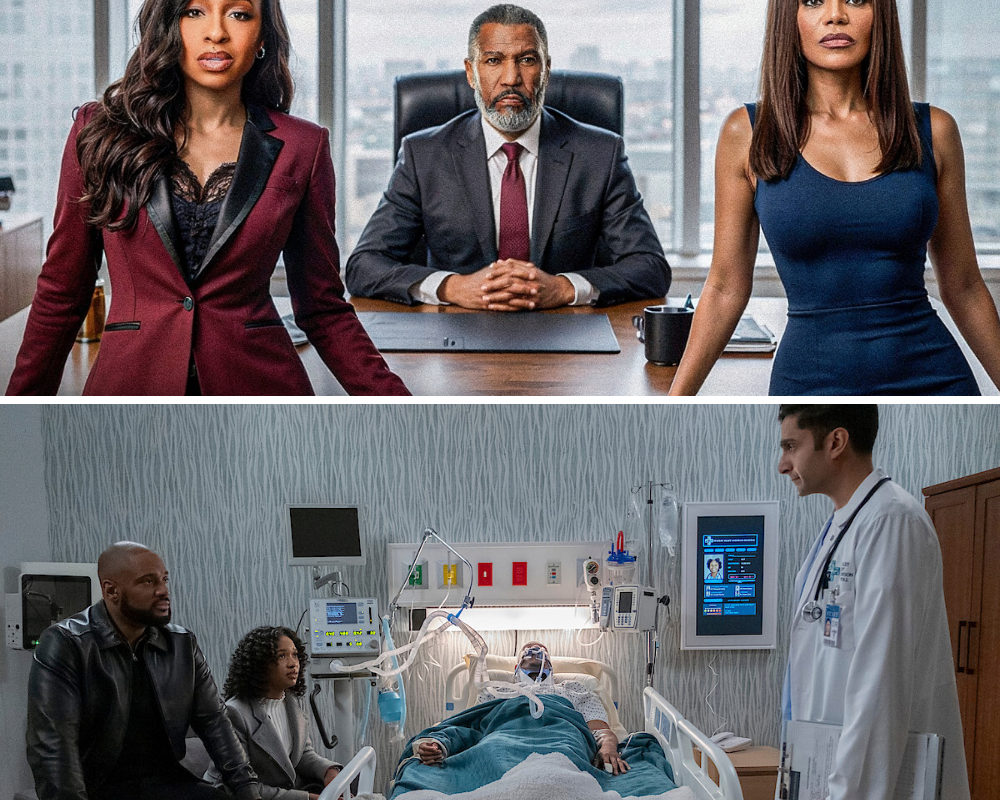
Jules’ Dark Secret Exposed? Chilling Trailer for Beauty in Black Season 3 Shows Kimmie on Her Knees – What Really Happened in That Morgue?
The official trailer for Tyler Perry’s Beauty in Black Season 3 has just dropped, and all eyes are laser-focused on one man: Jules. The former pimp and head of security…
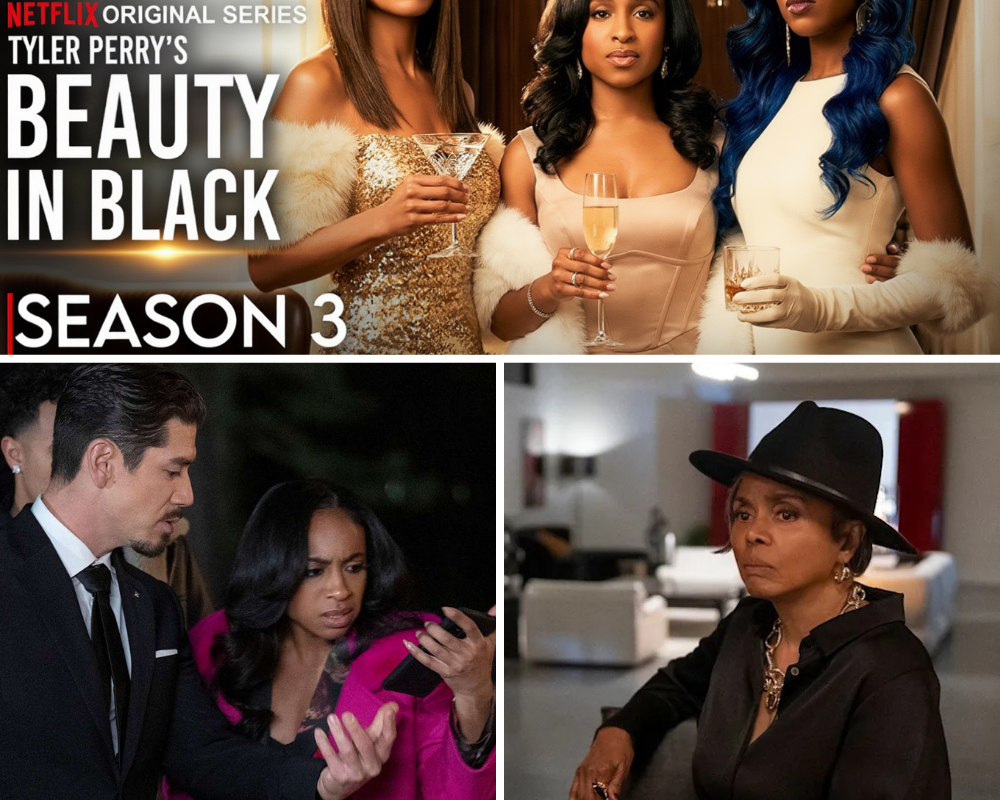
Beauty in Black Season 3 Bombshell: Not Malloy, Not Kimmie — But Sylvie’s Dangerous Dance With Jules Could Ignite Total Chaos!
Beauty in Black Season 3 has officially been confirmed as the explosive final chapter of Tyler Perry’s gripping Netflix drama, and fans are already buzzing with wild theories. While many…
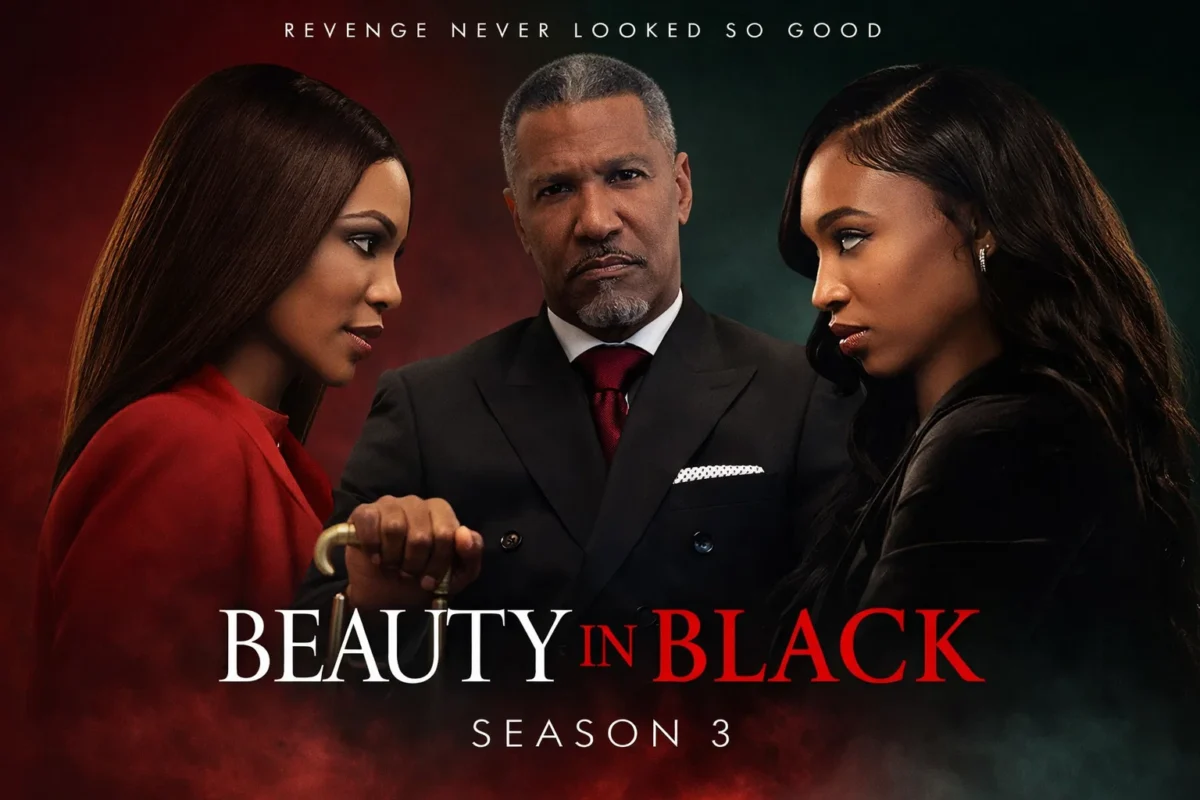
Horace’s Shocking Demand in Beauty in Black Season 3 Trailer: Will He Force Sylvie & Glenn to Give Him an Heir — And Cut Everyone Else Out of the Fortune?
The highly anticipated trailer for the final season of Tyler Perry’s Beauty in Black has just exploded online, leaving fans stunned and frantically theorizing about the future of the Bellarie…
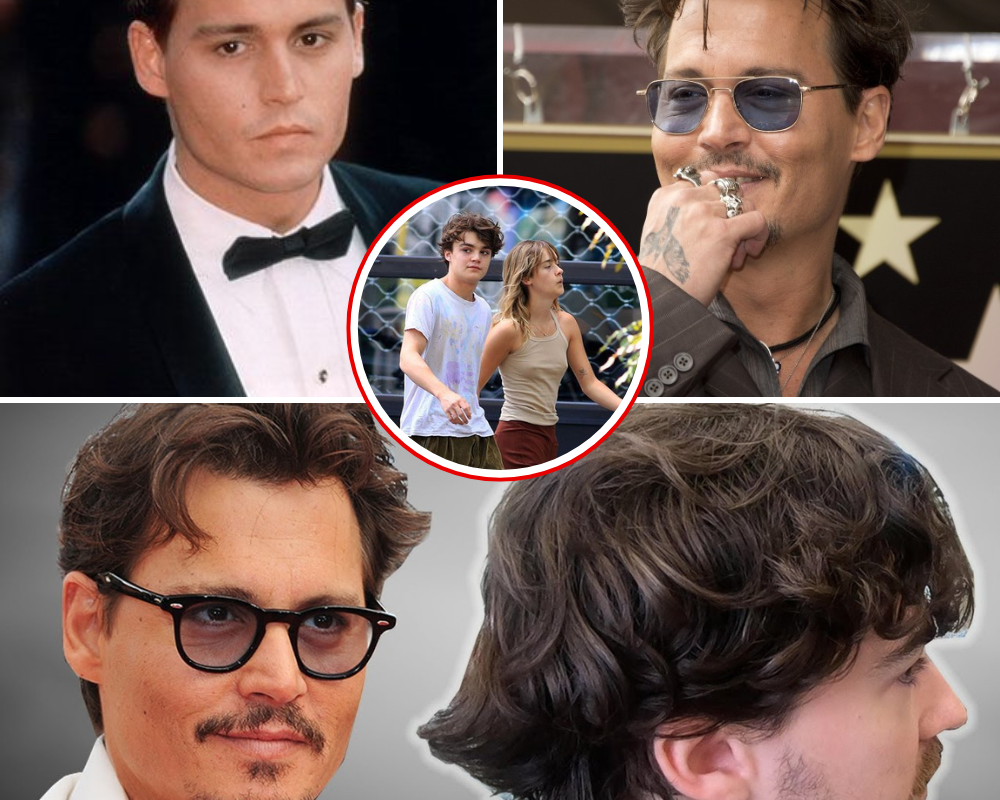
Johnny Depp’s Shocking Hollywood Comeback: Looking Younger Than His Own Son? Fans Can’t Stop Laughing at the “Brother” Vibes
Johnny Depp has made a triumphant return to Hollywood, stepping back into the spotlight with a refreshed appearance that has left fans doing double-takes. The iconic actor, long known for…
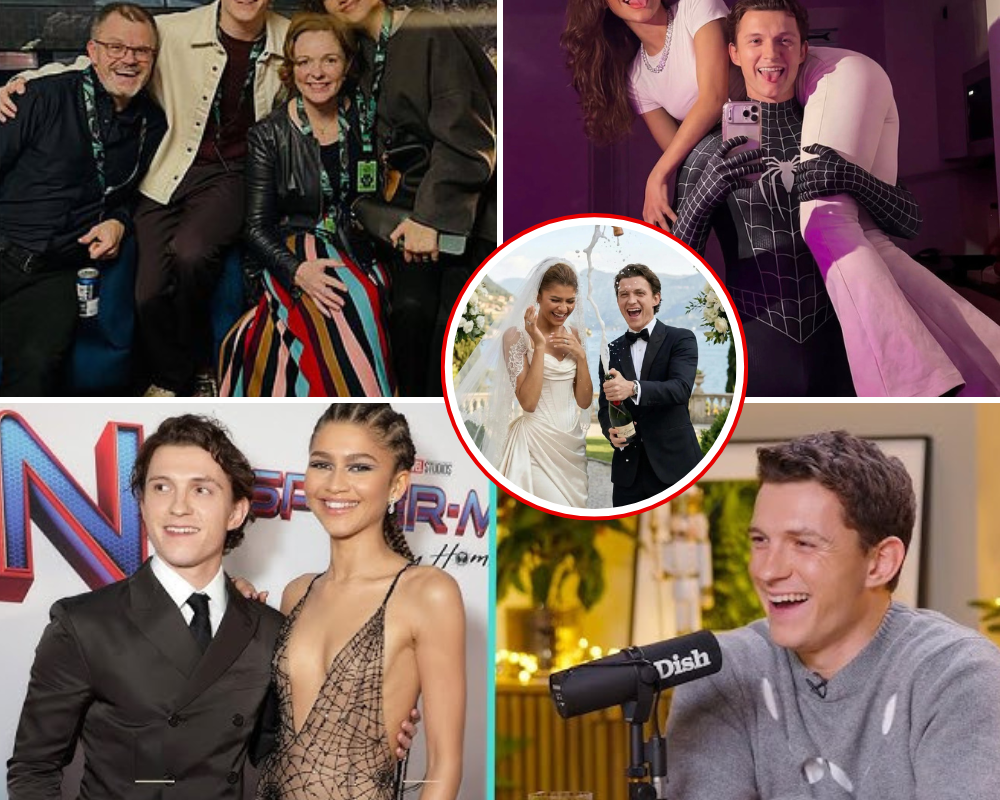
Tom Holland Teases “A House Full of Kids” – Zendaya Blushes as the Couple Shares Their Sweet Secret to Lasting Love!
In a delightful and candid moment that has fans swooning, Tom Holland and Zendaya opened up about the little things that keep their relationship strong and joyful even amid the…
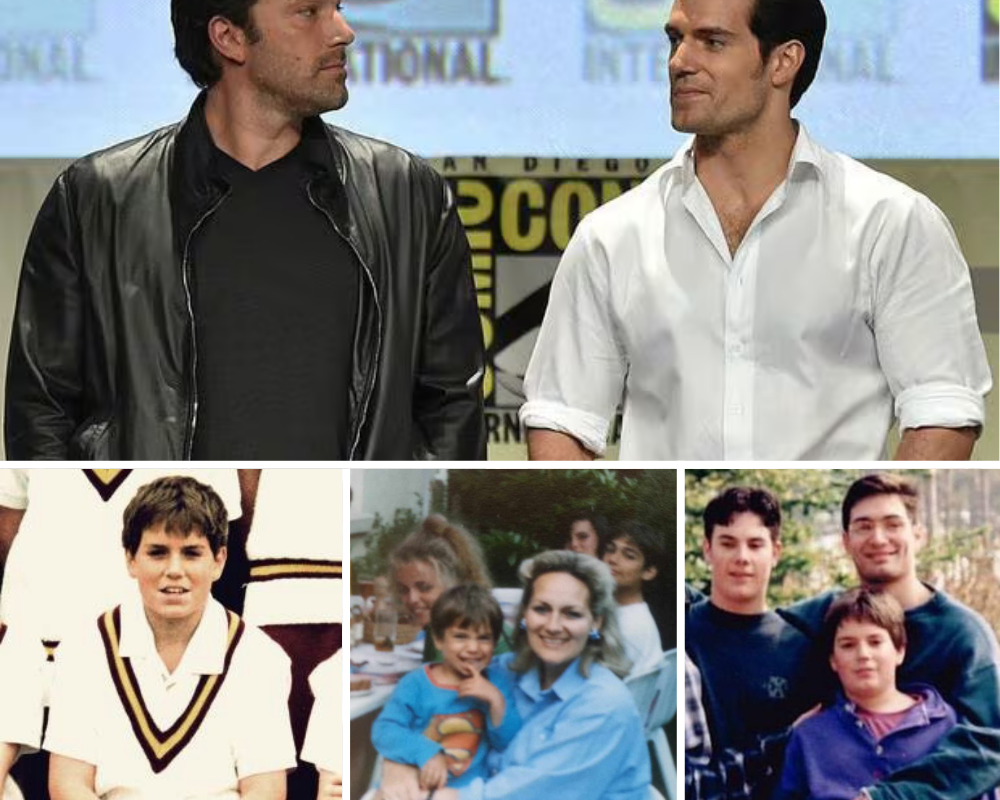
“That ‘Fat Cavill’ Nickname Was My Pain, Not My Fuel” — Henry’s Brother Charlie Reveals the Childhood Memory That Still Haunts Superman
Charlie Cavill’s recent revelation has peeled back the polished image of one of Hollywood’s most celebrated action stars, exposing a raw, lingering wound from Henry Cavill’s childhood. In a candid…
End of content
No more pages to load