“Phone Guy Wants His Money Back — I Want My Country Back!” Stephen Colbert Drops Nuclear Monologue That’s Breaking the Internet
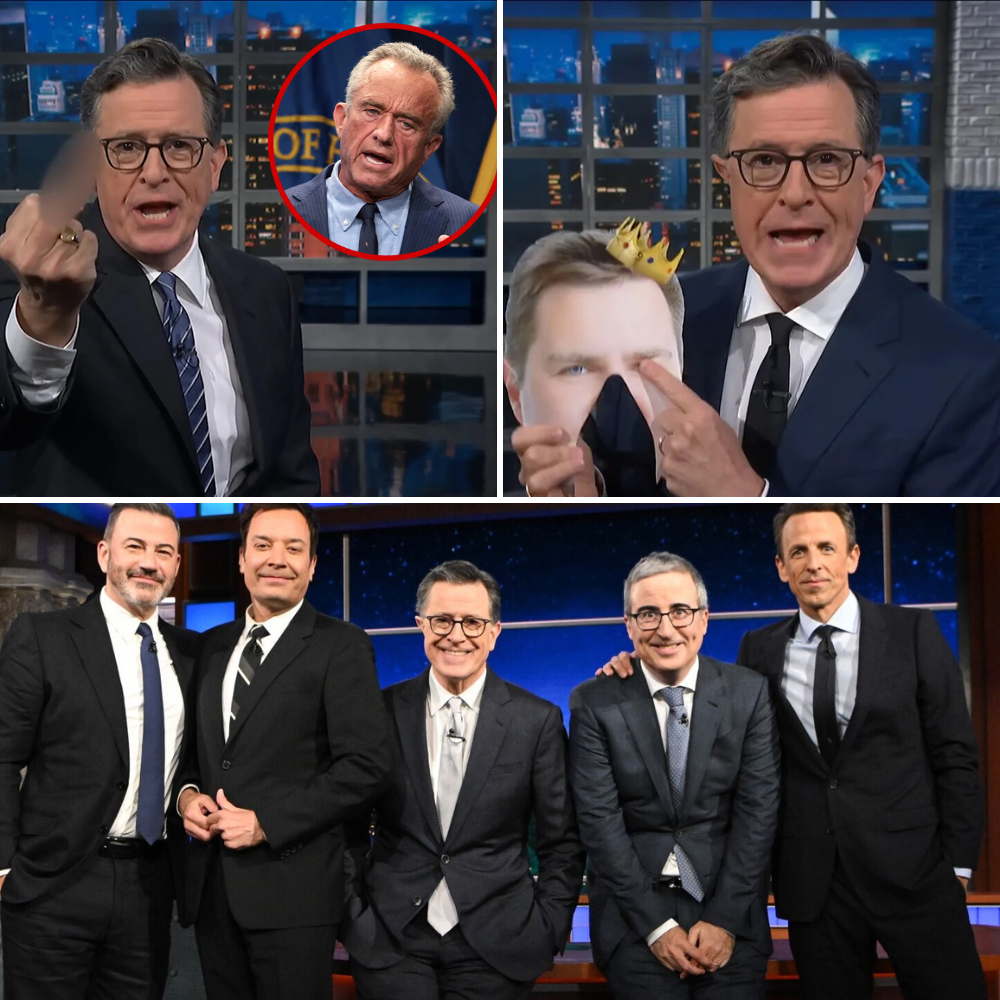
In a blistering late-night takedown that has fans flooding social media with emotional tributes and calls of “You will be missed,” Stephen Colbert delivered what many are calling one of the sharpest, most savage monologues of his career on The Late Show. With his signature blend of razor-sharp wit, brutal honesty, and fearless satire, the host eviscerated the economic fallout from the ongoing Iran conflict and the bizarre saga of the $499 “T1 Phone” — a gold-plated Trump-branded device that now appears unlikely to ever reach its buyers.
Colbert didn’t hold back. He painted a vivid picture of American wallets bleeding from rising prices fueled by the Middle East turmoil — everything from fuel to everyday goods seeing spikes that hit working families hardest. “The war in Iran is getting expensive,” he quipped, linking global tensions directly to household budgets in a way that resonated deeply with viewers already feeling the pinch. The monologue seamlessly wove this economic chaos with the absurdity of the T1 Phone controversy, turning frustration into comedy gold.
The standout moment? When Colbert channeled the anger of a disillusioned supporter: “Phone Guy Wants His Money Back. I Want My Country Back.” The line landed like a thunderclap, drawing roars of laughter and applause. He doubled down with an outrageous bit imagining a “Gold Skin-Tag Phone Autopsy,” joking that the device looked like “a skin tag that fell off C-3PO” and mocking the fine print that now suggests the phones “may never arrive.” Hundreds of thousands had put down deposits last year, excited by the hype from Trump’s sons, only to face potential total loss. Colbert twisted the knife: these buyers “didn’t even get scammed by the top Trump — just his babies.”
The audience erupted throughout, but the deeper sting came from Colbert’s ability to connect the dots. A costly foreign entanglement draining resources at home, paired with flashy consumer promises that evaporate into thin air. He highlighted how supporters who once cheered the phone launch now vent frustration online, creating a perfect storm of memes, outrage, and reluctant laughter. One viral clip showed Colbert reviving an old joke about the phone possibly being “a foil-wrapped hash brown,” only to update it: at least with hash browns, you’d get something.
Social media exploded immediately after. Hashtags praising Colbert’s fearlessness trended as fans shared clips, declaring it a masterclass in political comedy. Some called it cathartic — a rare moment of unfiltered truth-telling amid polarized times. Others marveled at the risk: going this hard on national television about sensitive economic pain and a high-profile product flop tied to the sitting president.
Whether you love him or loathe him, Colbert proved once again why he remains a force. In under ten minutes, he turned policy headaches and broken promises into biting, unforgettable entertainment. As the Iran situation drags on and everyday costs climb, his words linger: sometimes the funniest lines cut the deepest. America is watching, laughing, and wondering — just how much more can we take?