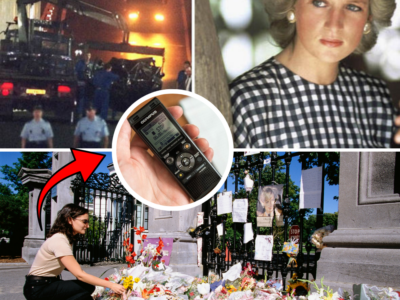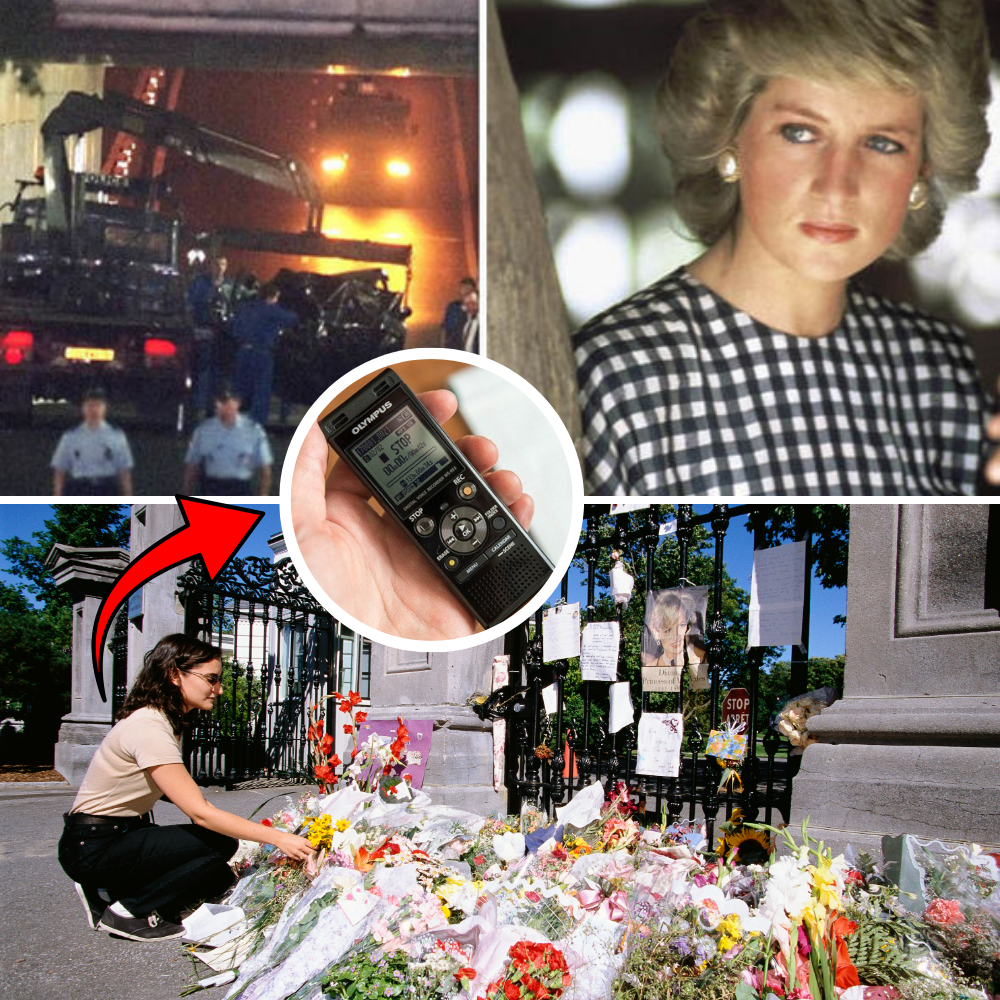
In the early hours of August 31, 1997, the world shattered when a sleek black Mercedes S280 carrying Princess Diana sped into the Pont de l’Alma tunnel in Paris, only to slam violently into the 13th concrete pillar. The impact was catastrophic. Dodi Al Fayed, Diana’s companion, and driver Henri Paul died instantly. Diana, the beloved “People’s Princess,” clung to life for a few more agonizing hours before succumbing at age 36. Nearly three decades later, her final moments continue to haunt millions.
According to the firefighter who reached her first, Sergeant Xavier Gourmelon, Diana briefly opened her eyes amid the twisted wreckage. With a voice filled with confusion and pain, she whispered, “My God, what’s happened?” Those simple, devastating words captured the sudden horror of a life cut short in the most public and chaotic way imaginable. She appeared outwardly calm with only minor visible injuries at first, but internal bleeding from a rare tear in her pulmonary vein proved fatal. Emergency responders fought desperately, yet her heart eventually gave out at Pitié-Salpêtrière Hospital.
The night had begun with romance and hope. Diana and Dodi had dined at the Ritz Hotel, attempting to slip away from the relentless paparazzi swarm. Motorcycles and cameras chased their vehicle through the streets of Paris. The Mercedes accelerated to nearly twice the tunnel’s speed limit in an effort to escape the flashing lights. No one in the back seat was wearing a seatbelt. The combination of high speed, a driver later found to have alcohol in his system, and the pressure of pursuit created a perfect storm of tragedy.
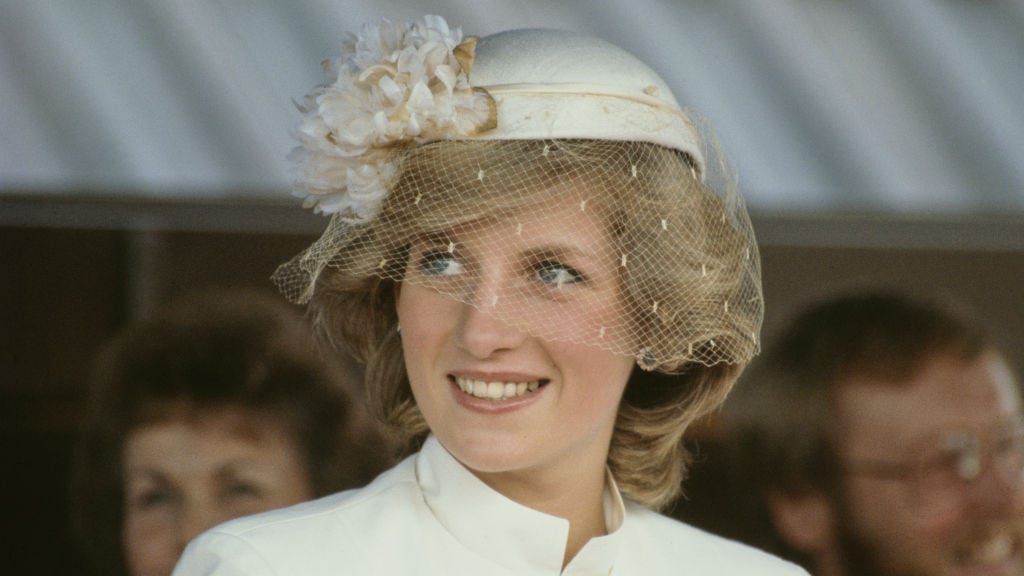
Diana’s death sent shockwaves across the globe. Millions mourned a woman who had transformed the British monarchy with her warmth, vulnerability, and humanitarian work. From hugging AIDS patients to walking through minefields in Angola, she used her platform to spotlight the forgotten and suffering. As a mother to young Princes William and Harry, her loss left two boys without their guiding light far too soon.
Yet the story refuses to fade. Official inquiries in France and Britain concluded it was an unlawful killing caused by the grossly negligent driving of Henri Paul and the aggressive pursuit by photographers. The paparazzi arrived within seconds, some snapping photos even as rescuers worked. For many, however, questions linger—about a mysterious white Fiat Uno that may have clipped the Mercedes, about the exact sequence of events in the tunnel, and about whether the intense media pressure indirectly sealed her fate.
What remains undeniable is the profound sadness of a mother stolen from her children in her prime. Diana’s legacy of compassion, style, and emotional honesty endures. She showed the world that royalty could be human, that pain could be spoken aloud, and that love for others could transcend titles.
Twenty-eight years on, those haunting words—“My God, what’s happened?”—still echo. They remind us not just of one terrible night in Paris, but of how quickly fame, freedom, and life itself can slip away under the glare of endless scrutiny. The People’s Princess is gone, but the love and sorrow she inspired remain eternal.
News
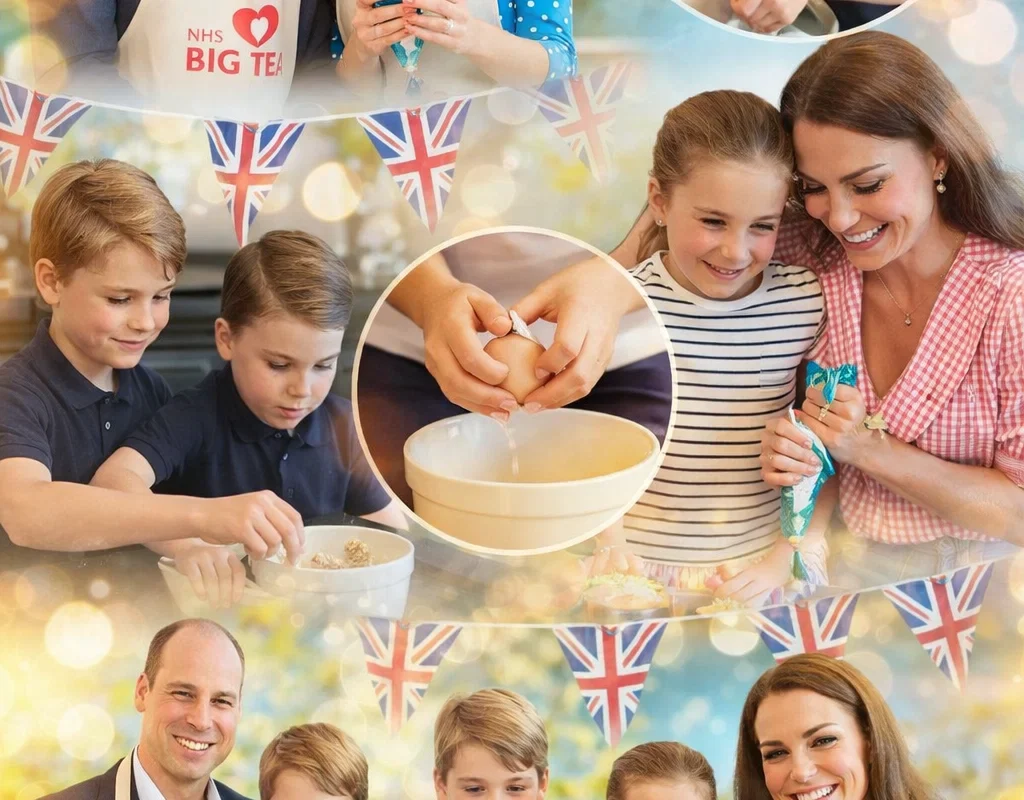
Inside Kate Middleton’s Surprisingly Down-to-Earth Kitchen: Calm Neutrals, a £499 KitchenAid… and a £4,000 Pro Range Cooker
Kate Middleton has revealed a glimpse into her ‘unfussy and unpretentious’ kitchen. The Duchess of Cambridge, 40, was snapped whipping up some cupcakes with Prince George, eight, Princess Charlotte, seven,…
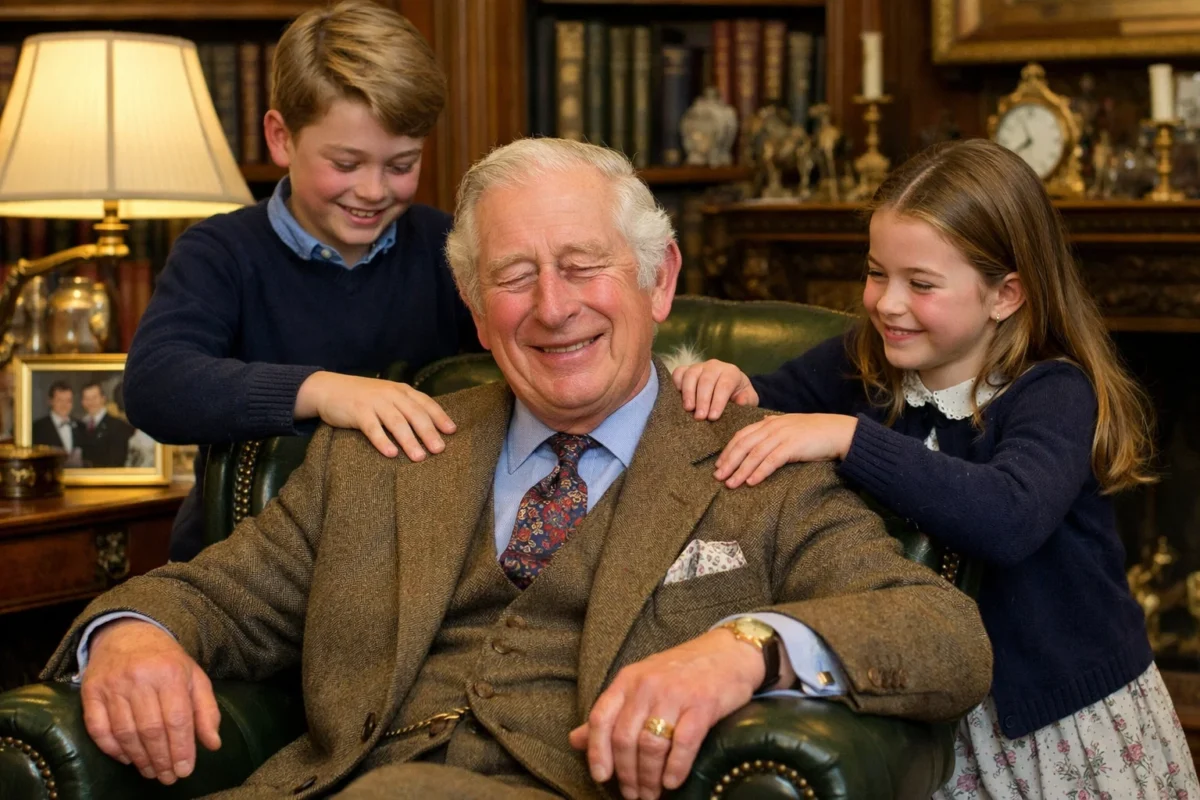
King Charles III Reveals His Happiest Chapter Yet: “My Grandchildren’s Love Is My Greatest Joy” – And He’s Already Thinking About the Future of the Crown!
At 77 years old, King Charles III is embracing what he describes as the most joyful and fulfilling period of his life — the simple, heartfelt moments spent with his…
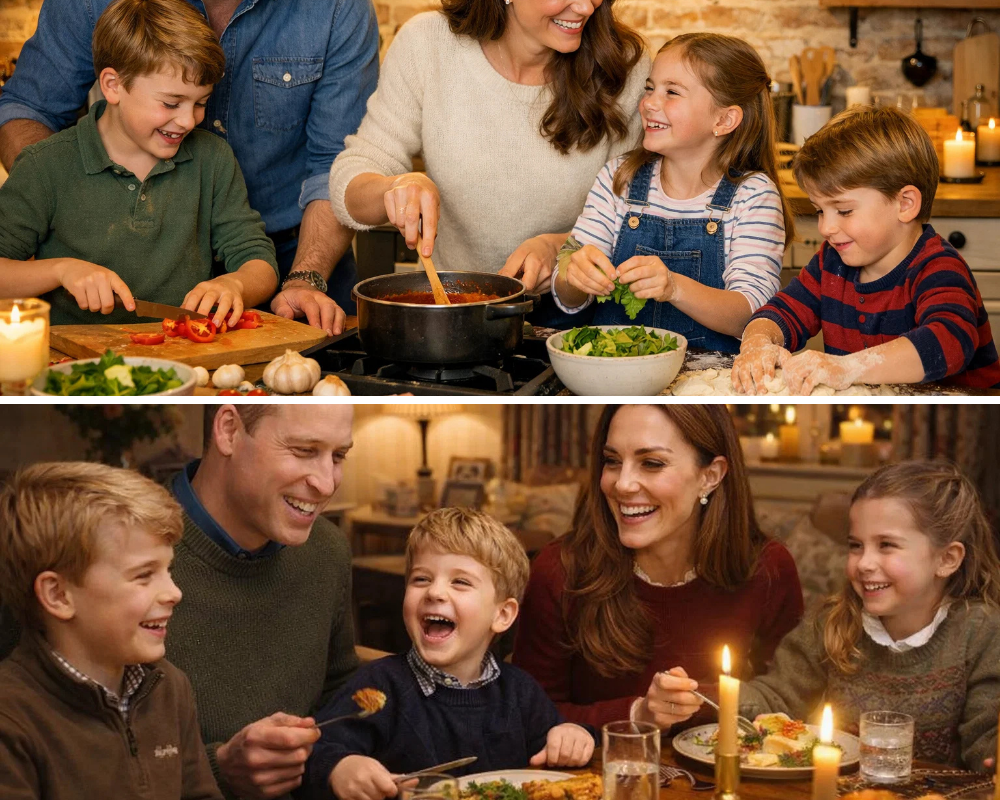
Kitchen Magic & Family Joy: Kate, William & the Kids Whip Up a Special 6-Month New Home Celebration Dinner!
In the heart of Windsor Great Park, where tall trees whisper secrets and peaceful grounds stretch endlessly, the Prince and Princess of Wales have been quietly building beautiful new memories….
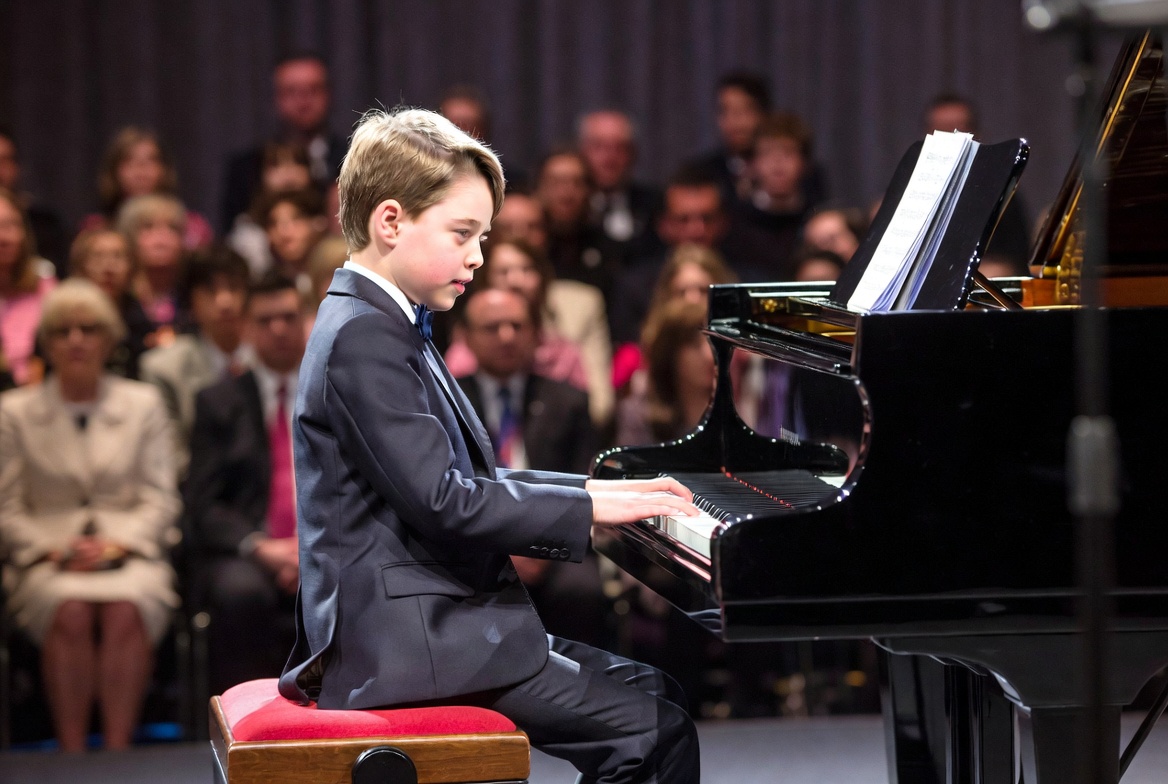
From Tears Over Piano Lessons to Royal Spotlight: 12-Year-Old Prince George Stuns the World with His Boldest Performance Yet
Just a few years ago, young Prince George was like any typical child resisting his mother’s insistence on structured activities. Piano lessons, in particular, often ended in tears. The future…
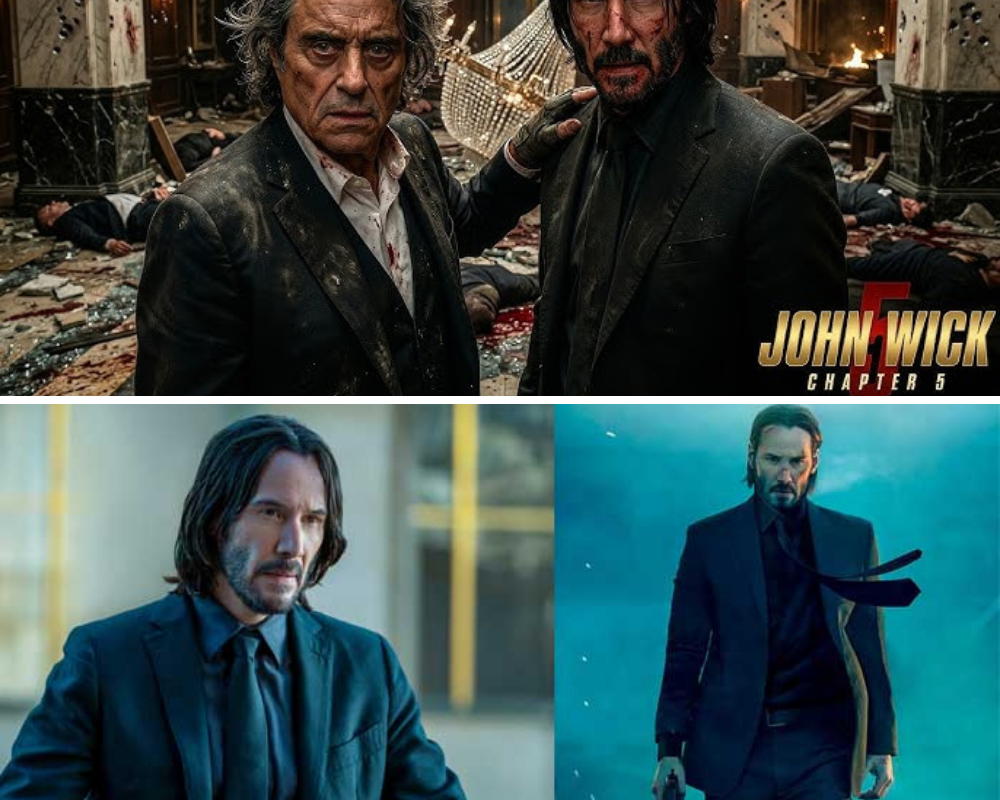
Baba Yaga Rises From the Grave: John Wick 5 Script Finished – Charlize Theron Joins the Bloodiest War Yet!
In a stunning development that has sent shockwaves through the action movie world, the script for John Wick: Chapter 5 has officially been completed, with principal photography set to begin…
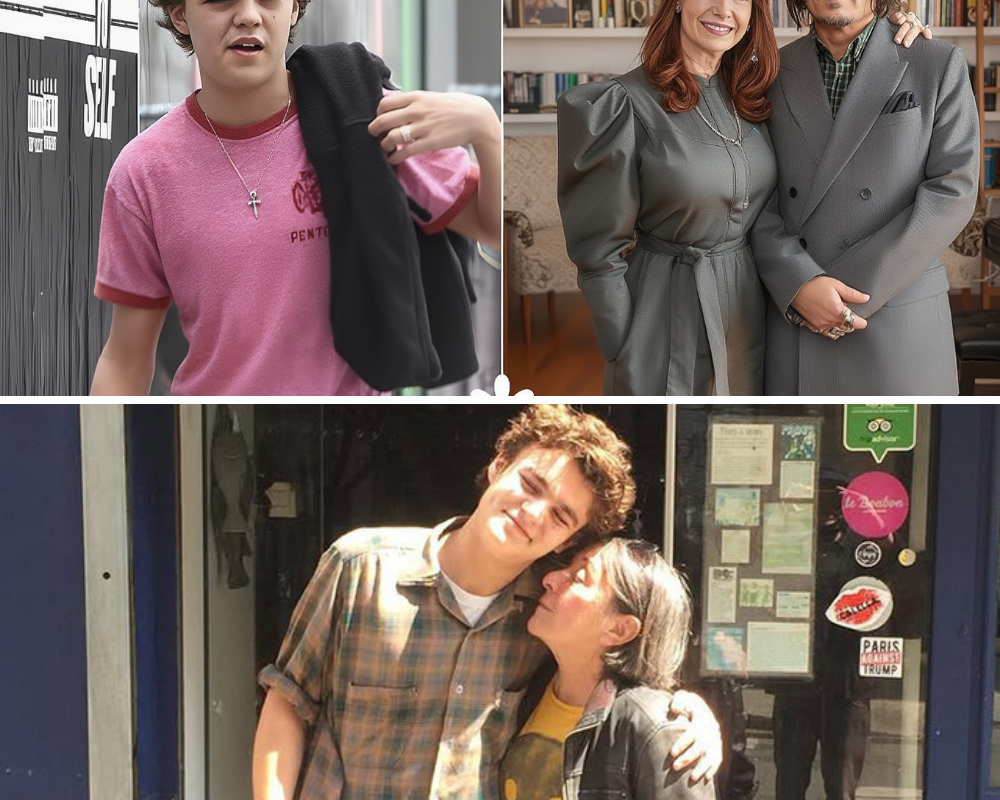
Johnny Depp Casually Strolls With His Ex-Wife — Then Their Son Jack Joins for a Secret Family Lunch That Shocks Fans
In a scene that feels straight out of a Hollywood reconciliation movie, Johnny Depp was recently spotted enjoying a relaxed afternoon stroll with his former wife, Amber Heard. What began…
End of content
No more pages to load