Meghan just tried to pull off a Princess Kate move — booting a football with Harry like a pro during their surprise Jordan trip… but is it enough to capture that true royal sparkle? 👑⚽
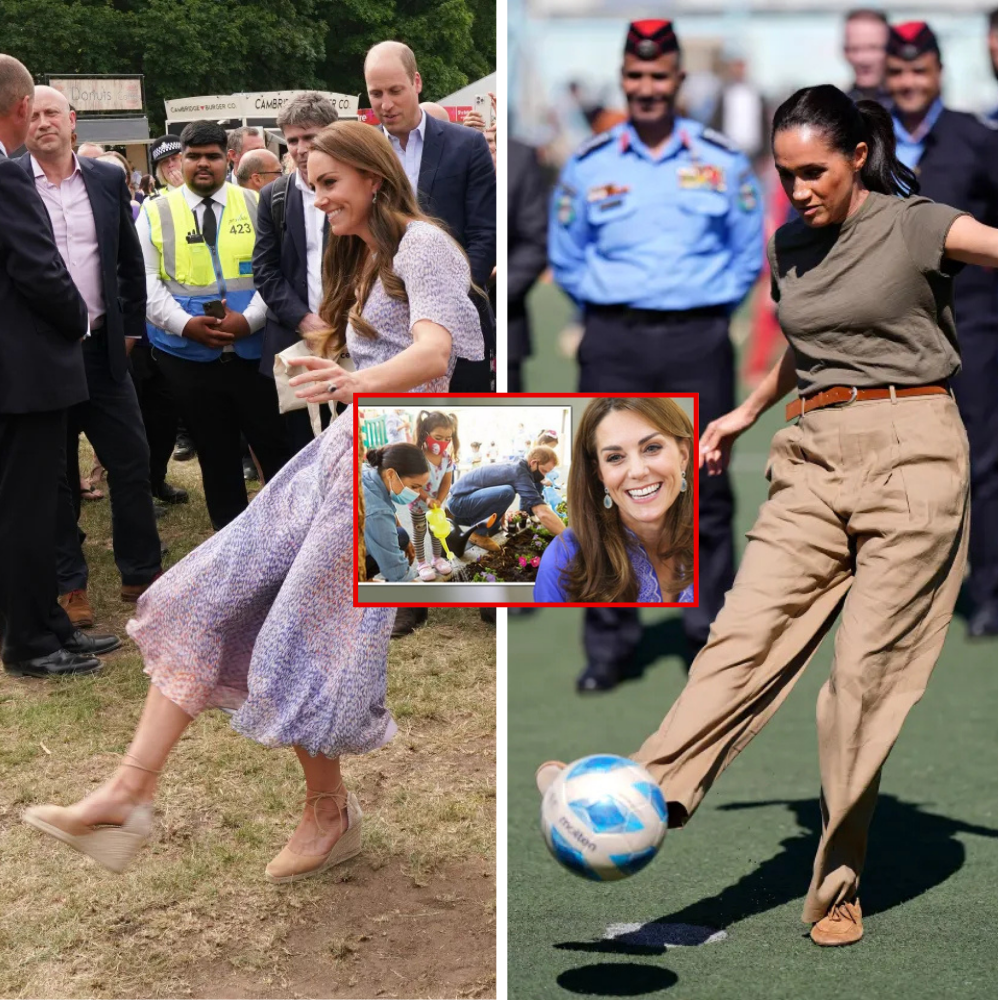
In a moment that quickly drew comparisons across royal circles, Meghan Markle was captured taking a confident penalty kick during a visit to the Za’atari refugee camp in Jordan, blasting the ball into the net past a young goalkeeper. Her husband, Prince Harry, followed with his own attempt, which was saved, leading to lighthearted scenes of Meghan celebrating her small victory alongside child refugees, many of whom are displaced Syrians.
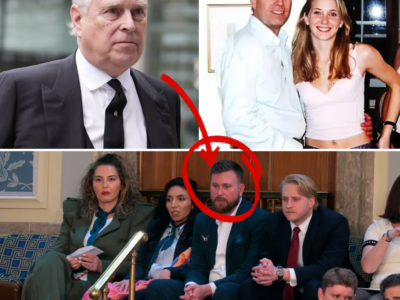
The event took place during the couple’s two-day humanitarian visit to Jordan in late February 2026, their first joint international trip in 18 months. Framed as an effort to spotlight support for communities affected by conflict and displacement, the itinerary included meetings with the World Health Organization, discussions on medical evacuations for children from Gaza, and engagements with humanitarian partners. The timing, however, coincided with significant turmoil back in Britain: the arrest of Prince Harry’s uncle, Andrew Mountbatten-Windsor, on suspicion of misconduct in public office related to historical allegations.

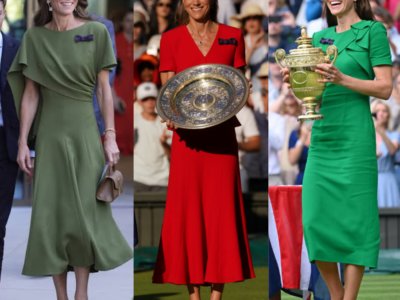
Observers noted Meghan’s active participation in the football activity as reminiscent of Princess Kate’s well-documented sporting engagements. Kate has long used sports as a way to connect with the public, whether kicking a ball during community visits, playing hockey with Olympic teams, or participating in rugby and tennis demonstrations. These appearances have often highlighted her approachability and physical energy, reinforcing an image of vitality and relatability within the royal framework.
For Meghan, stepping onto the pitch in a refugee setting carries layered significance. It projects an image of hands-on involvement in grassroots causes, aligning with the Sussexes’ focus on humanitarian work since stepping back as working royals in 2020. The visit to Za’atari, one of the world’s largest refugee camps, underscores ongoing global challenges around displacement, particularly affecting children in conflict zones. By engaging directly with young people there, the couple aimed to draw attention to resilience amid adversity and the role of international aid.
Yet, the optics invite deeper reflection on authenticity versus imitation in public life. Royal observers have long pointed out that genuine connection often stems from consistent institutional roles rather than occasional high-profile visits. While Meghan’s kick demonstrated enthusiasm and skill, it also spotlighted the structural differences: Kate operates within the established monarchy, where such moments are part of a broader, continuous schedule of duties. The Sussexes’ “faux royal tour” style, as some describe it, blends celebrity diplomacy with advocacy but lacks the same constitutional backing or public expectation.

The Jordan trip also occurs against a backdrop of family tensions. Harry has previously expressed frustration over comparisons to his uncle, and the timing of Andrew’s arrest — involving police searches and serious allegations — has placed renewed scrutiny on the wider royal family’s dynamics. The Sussexes have maintained distance, focusing instead on their independent initiatives.
Ultimately, while sporting gestures can humanize public figures, true “queenly” presence — or royal gravitas — is often seen as something cultivated over years of service, quiet resilience, and seamless integration into tradition. Meghan’s efforts reflect a modern, independent approach to influence, one that prioritizes personal branding and targeted causes. Whether this resonates as effectively as the longstanding model exemplified by figures like Kate remains a subject of public fascination. In an era where royal-adjacent figures navigate media and global issues, the contrast between imitation and inherent elegance continues to captivate audiences worldwide.