King Charles & Prince William Shatter 1,000-Year Royal Taboo: They Just Revealed Their Massive Personal Tax Bills to the World! 💥
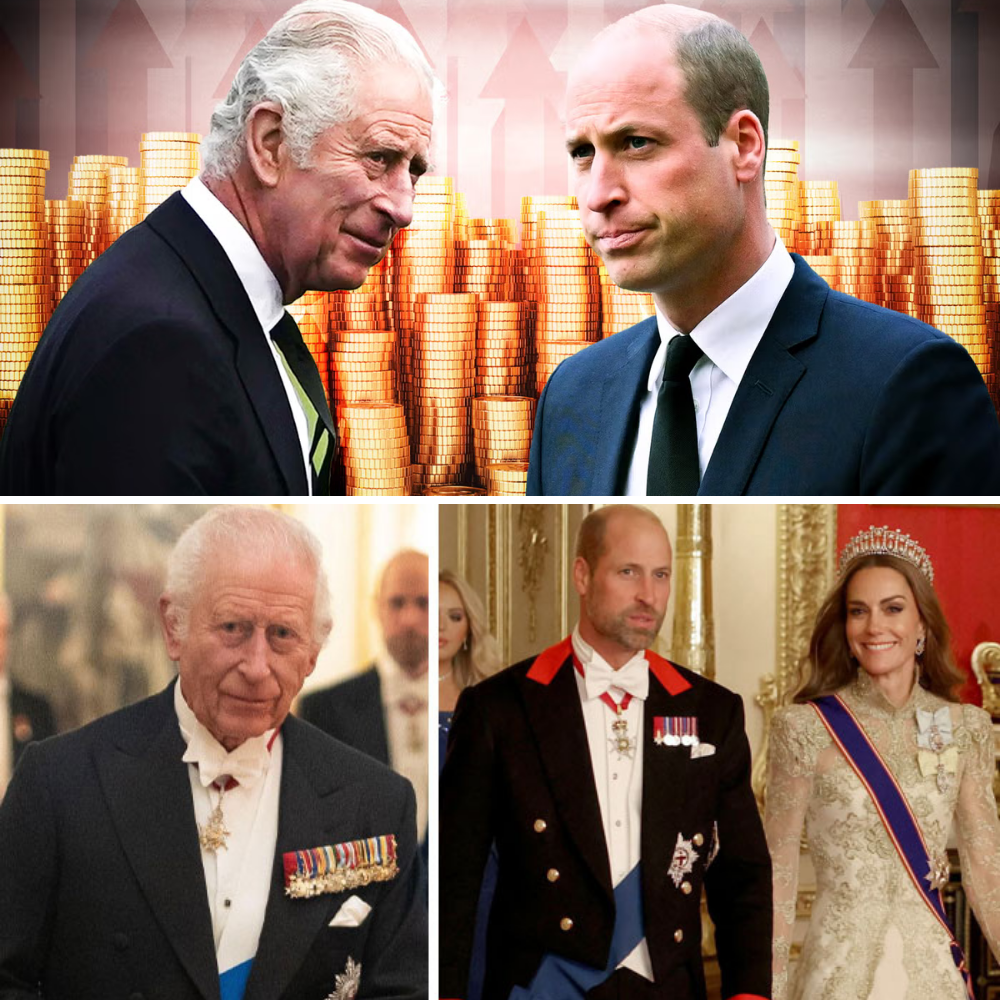
In a move that has sent shockwaves through the United Kingdom and beyond, King Charles III and Prince William have broken a centuries-old tradition of royal financial secrecy. For the first time in modern British history, a reigning monarch has voluntarily disclosed his personal tax payments, with the Prince of Wales following suit. This unprecedented step marks a significant shift toward greater transparency in royal finances amid growing public scrutiny.
According to the latest royal financial accounts, King Charles paid £12.9 million in income and capital gains tax for the 2024-2025 financial year. This figure places him among the top 100 taxpayers in the UK. In the previous year, 2023-2024, he paid £11.7 million. Since ascending the throne in September 2022 following the death of Queen Elizabeth II, the King has contributed more than £30 million in personal taxes on a voluntary basis.
Prince William, as the Duke of Cornwall, also revealed his tax details for the first time in his current role. He paid £7.76 million in the 2024-2025 tax year, down slightly from £8.34 million the year before. Since becoming Prince of Wales in 2022, his total tax contributions exceed £20 million. Together, father and son have paid over £50 million in taxes during this period.
The primary sources of their taxable income stem from the historic Duchies of Lancaster and Cornwall. These vast estates, passed down through generations, generate substantial revenue through land, properties, investments, and commercial activities. The Duchy of Lancaster provides the King with millions annually for both official and private expenses, while the Duchy of Cornwall supports the Prince of Wales and his family. Both men pay the top rate of tax on their personal income after deducting official costs, a practice that began voluntarily under Queen Elizabeth II in 1993 but has never before included such public disclosure by a sitting monarch.
This bold decision is described by palace sources as a personal choice by both the King and Prince William to promote accountability and modernize the institution. It comes at a time when the monarchy faces questions about its costs, especially following controversies involving other family members. The Sovereign Grant, which funds official royal duties like palace maintenance and travel, is set to increase in coming years, but these personal tax revelations highlight the significant private contributions made by the royal family.
The move has sparked widespread discussion. Supporters view it as a progressive step that builds public trust, showing the royals are willing to open their books in an era of heightened transparency demands. Critics, however, note that full details of personal wealth, investments, and exact tax calculations remain limited. Nevertheless, the disclosure underscores the King’s ongoing efforts to adapt the monarchy to contemporary expectations while preserving its constitutional role.
By lifting the veil on these long-guarded figures, King Charles and Prince William have not only shattered a taboo but also invited the public into a deeper conversation about the balance between tradition, duty, and modern governance. This historic transparency could set a new precedent for future generations of the royal family.