Keanu Reeves stands as one of the most recognizable and beloved figures in modern cinema. With a career spanning over three decades, he has delivered unforgettable performances that redefined action filmmaking and captured the hearts of millions worldwide. Yet, behind the massive box office success and global fandom lies a surprising truth: despite his iconic status, Reeves has never received a nomination for an Academy Award, a Golden Globe, or an Emmy.
From his breakthrough roles in the early 1990s with films like Point Break and Speed, Reeves quickly established himself as a versatile performer capable of blending charisma, intensity, and subtle humor. His portrayal of Neo in The Matrix trilogy revolutionized visual effects and philosophical storytelling in blockbuster cinema, turning a modest sci-fi project into a cultural phenomenon that influenced generations. Later, the John Wick franchise transformed him into an action legend at an age when many actors slow down, showcasing his commitment to physically demanding stunt work and a no-nonsense approach to the craft.
What makes this awards omission particularly striking is the sheer impact of his body of work. Reeves has consistently chosen roles that prioritize storytelling and audience connection over flashy dramatic showcases traditionally favored by awards bodies. His understated style—often described as quiet intensity mixed with genuine kindness—has earned him enormous respect from fans and peers alike, but it rarely translates into the kind of overt “Oscar-bait” performances that dominate nomination lists.
Industry observers note that genre films, especially action and science fiction, have historically been overlooked by major awards ceremonies in favor of prestige dramas. Reeves’ biggest hits fall squarely into those categories, even as they deliver profound themes about reality, revenge, loss, and redemption. His dedication to practical effects and long-take choreography in the John Wick series, for instance, has influenced an entire generation of filmmakers, yet the spotlight on technical achievements often overshadows the lead actor’s contribution.
Beyond the screen, Reeves’ personal humility adds another layer to the paradox. He has openly stated in interviews that he acts for the love of the process, the collaboration with fellow artists, and the joy of creating worlds for audiences—not for trophies or validation. This grounded attitude, combined with his well-documented generosity and low-key lifestyle, has only amplified his popularity. In an era where celebrity culture often feels manufactured, Reeves represents something refreshingly authentic.
Still, the conversation around his lack of major nominations continues to spark debate. Some view it as proof that awards shows fail to recognize certain kinds of excellence, while others see it as a testament to his focus on work that truly resonates with everyday viewers rather than academy voters. As Reeves moves into new projects—including upcoming films like Outcome and voice roles in major animated franchises—fans remain hopeful that recognition might eventually come, though many argue it’s unnecessary.
Ultimately, Keanu Reeves’ legacy may not rest on golden statues. It lives in the memories of theatergoers who felt empowered by Neo, thrilled by John Wick’s relentless drive, or simply charmed by his everyman presence. In a town famous for chasing prestige, his enduring appeal proves that true icon status is measured not by nominations, but by the millions who keep returning to his films, year after year.
News

Virgin River Season 8 Is Coming — But Two Beloved Faces Are Gone Forever: What’s Next for Mel & Jack?
Virgin River fans, brace yourselves — the charming small-town drama that has captured hearts for years is officially returning for Season 8 on Netflix. While the sleepy California town will…
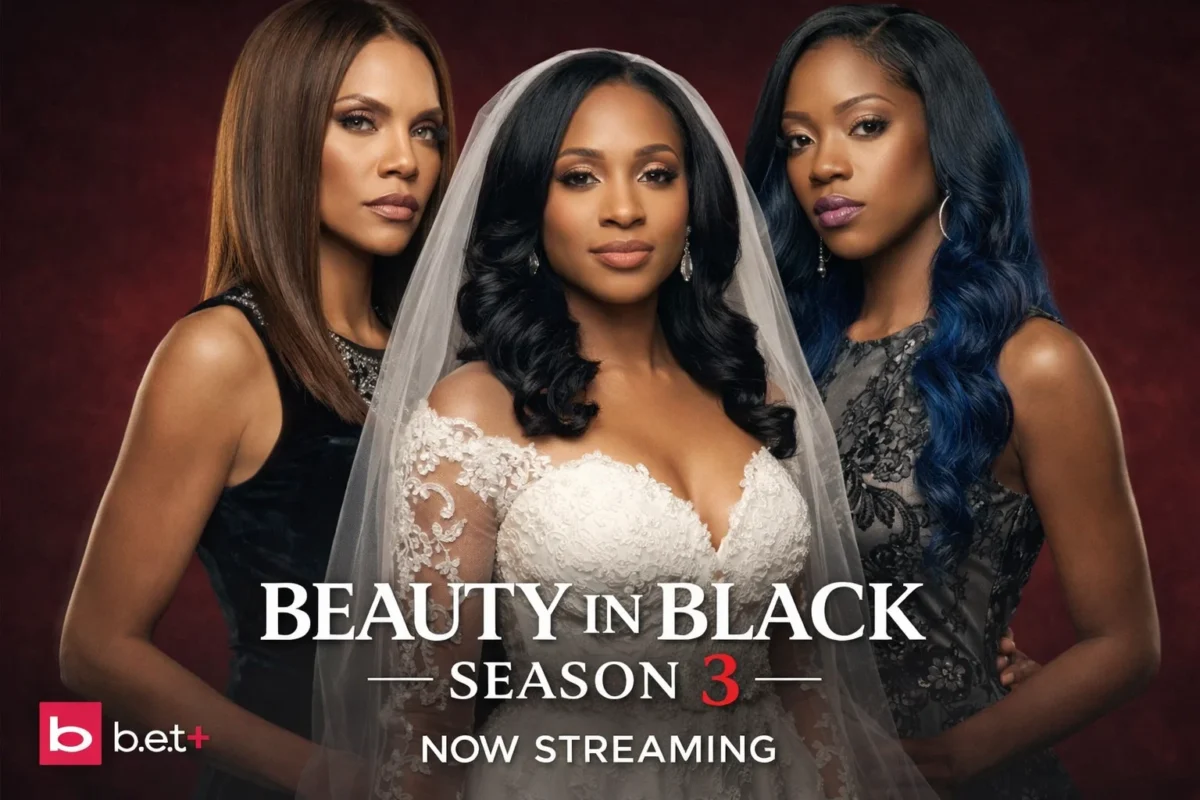
From Stripper to Empire Queen: Kimmie’s Deadly Rise in ‘Beauty in Black’ Season 3 Trailer Leaves Fans Speechless
The official trailer for Beauty in Black Season 3 has dropped, and it is already sending shockwaves through the streaming world. What was once a story of survival has transformed…

Beauty in Black 3: Tyler Perry Drops the Final, Most Ruthless Chapter – Kimmie’s Power Move That Could Destroy Everything!
Tyler Perry’s hit drama series Beauty in Black is gearing up for its explosive final season on Netflix, and fans are already on the edge of their seats. The third…

Baby Spider on the Way? Zendaya’s Surprise ‘Disappearing’ Break After 2026 Sparks the Happiest Hollywood Rumors Yet!
In a year already bursting with excitement, Zendaya has just dropped a bombshell that has fans grinning from ear to ear. During a recent interview, the beloved actress revealed she…

81-Year-Old Thomas Markle Finds Passionate New Love with 46-Year-Old Filipino Nurse — But Meghan’s Icy Reaction Has Everyone Talking
MEGHAN Markle’s estranged dad has sparked a new romance with his Filipino nurse who is 35 years younger than him – after a health scare landed him in hospital. Thomas…

Royal Bombshell: William and Kate Secretly ‘Holding Multiple Places’ at Elite Schools for Prince George – Eton No Longer a Sure Thing?
The Prince and Princess of Wales have a big decision looming for the future of Prince George’s education, and they may already have several options lined up. The young royal, 13, will…
End of content
No more pages to load