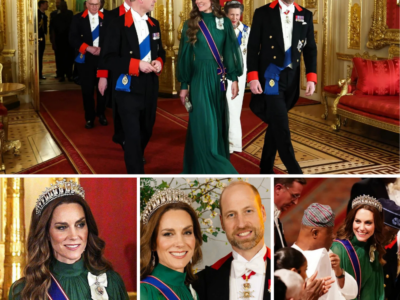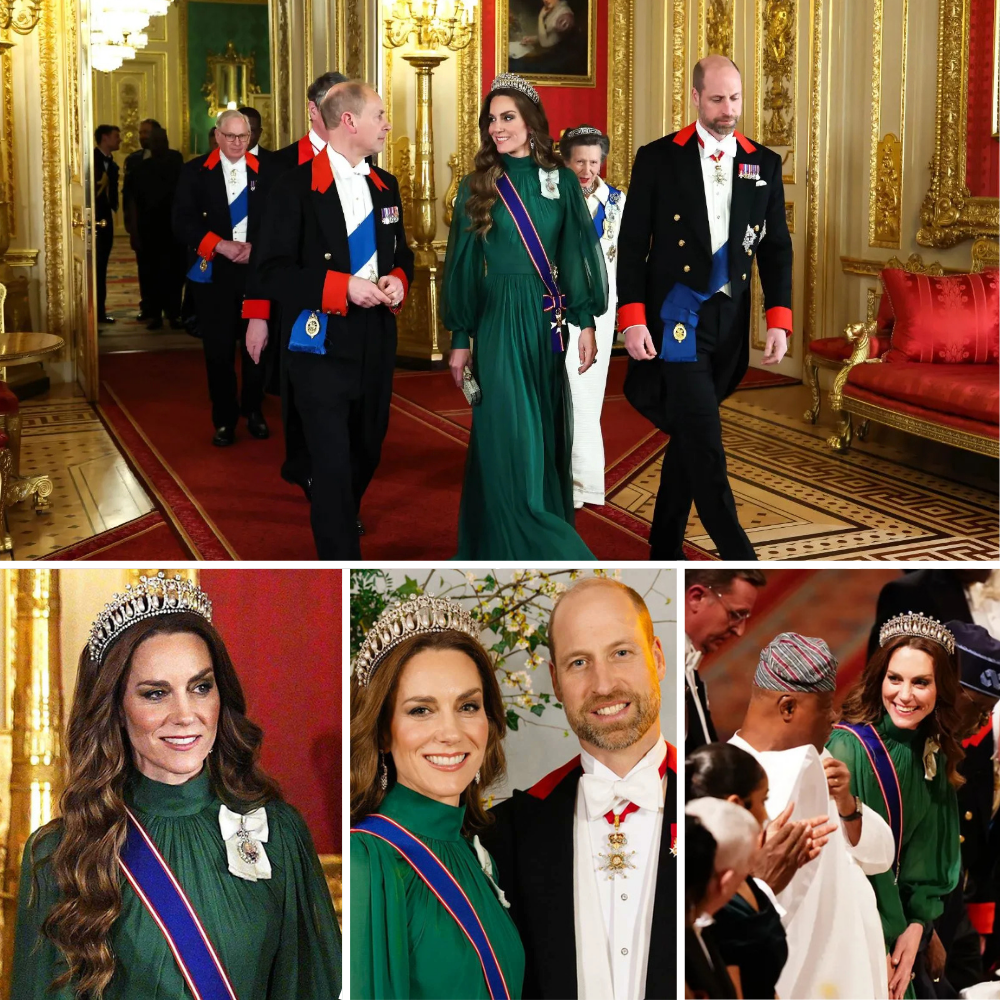
The Princess of Wales once again proved why she remains one of the Royal Family’s brightest stars, captivating guests at her fourth Windsor Castle state banquet in just a year. Dressed in a shimmering green gown by Andrew Gn that perfectly echoed the green of the Nigerian flag, Kate, 44, wore the iconic Lover’s Knot Tiara, Queen Elizabeth II’s earrings, the King Charles III Royal Family Order, and the GCVO Sash and Star. Seated beside President Bola Ahmed Tinubu himself, she brought elegance and diplomacy to the grand occasion at St George’s Hall.
King Charles III hosted the Nigerian President and First Lady Oluremi Tinubu alongside Queen Camilla, the Prince and Princess of Wales, and approximately 160 distinguished guests for a lavish three-course State Banquet featuring turbot and fine wines. The evening was a celebration of deep cultural, economic, and historical ties between the United Kingdom and Nigeria — and a powerful demonstration of the monarchy’s enduring soft power.
In his toast, the King paid glowing tribute to the Nigerian diaspora’s immense contributions to British life. “We in the United Kingdom are blessed that so many people of Nigerian heritage, having chosen Britain as their home, are now at the heart of British life through excelling at the highest levels of business, technology, academia, law, science, sport, literature and the arts, and public service,” he said. He recalled hosting a lively “Jollof and Tea” Party at St James’s Palace just days earlier, joking that the jollof rice was, of course, “only the best: Nigerian.”

The King highlighted Nigeria’s global cultural influence — from Afrobeats filling concert halls and Nollywood captivating screens to Nigerian stars shining in the Premier League and Britain’s highest courts. “So much of Britain’s culture is, in truth, profoundly enriched by Nigeria,” he declared. He also acknowledged the more complex chapters of shared history, noting “I do not pretend that those roots are without a shadow,” before quoting a Hausa proverb: “When the music changes, so does the dance.” Looking forward, he added: “We can learn from Nigeria and the best of the UK and Nigeria’s partnership… Look to the future and learn new dance steps, together.”
The guest list was a who’s who of Nigerian-British excellence: England rugby captain Maro Itoje, Olympic gold medallist Christine Ohurugu, space scientist Dame Maggie Aderin-Pocock, footballer-turned-pundit Eni Aluko, singer Tiwa Savage, poet Sir Ben Okri, presenter Ade Adepitan, and artist Yinka Shonibare — recently chosen to design the national memorial for Queen Elizabeth II in St James’s Park. Maro Itoje was even seated beside Prime Minister Keir Starmer.
Prince William looked every inch the future king in white tie and Windsor tailcoat, adorned with the Most Noble Order of the Garter, the Thistle, and the Order of the Bath, along with his coronation medals. Queen Camilla, 78, wore a cream embroidered gown by Fiona Clare, a sapphire and diamond tiara, and the Garter sash and star.
The day had begun with full ceremonial pomp. The Prince and Princess of Wales, with Kate wearing a stylish coat dress by British-Nigerian designer Tolu Coker and earrings once belonging to Diana, Princess of Wales, escorted the President and First Lady from their hotel to Windsor. More than 1,000 troops lined the route as the Australian, Scottish, and Irish State Coaches carried the royal party and Nigerian leaders to the castle. Crowds of Nigerians who had travelled from across Europe waved in “Renewed Hope Ambassadors – Diaspora” T-shirts. In the Quadrangle, the Guard of Honour gave a Royal Salute while the bands played both national anthems.

This was no ordinary state visit. It marked the first time a Muslim head of state had been hosted during Ramadan since 1928. Upon arrival, guests were offered a private room to break their fast with Iftar prayers — a thoughtful first. Pre-banquet canapés were served for fasting visitors, and the traditional cocktail was replaced by a non-alcoholic “Crimson Bloom,” inspired by Nigeria’s beloved Chapman drink but adapted with zobo and English rose soda. The sensitivity and respect shown by the Royal Household were widely praised.
The King personally guided President Tinubu on a private tour of Royal Collection items connected to Nigeria, including a miniature manuscript by Sir Ben Okri created for Queen Mary’s Doll’s House. Gifts were exchanged — silver frames, signed photographs, and pottery from the royals; a statuette and jewellery box from the Nigerian couple. An interfaith reception underscored the UK and Nigeria’s shared commitment to religious diversity and the importance of “disagreeing well.”
The visit came just days after tragic suicide bombings in Borno State that claimed 23 lives, yet President Tinubu remained resolute, condemning the “evil-minded” terrorists and declaring that Nigeria “will not succumb to fear.”
This glittering occasion was the fourth state visit hosted by the King in the past year, following those from France, the United States, and Germany. It also revived a tradition not seen since 1989, when Queen Elizabeth II welcomed Nigeria’s then-military ruler to London.

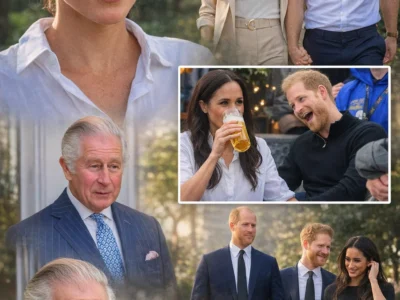
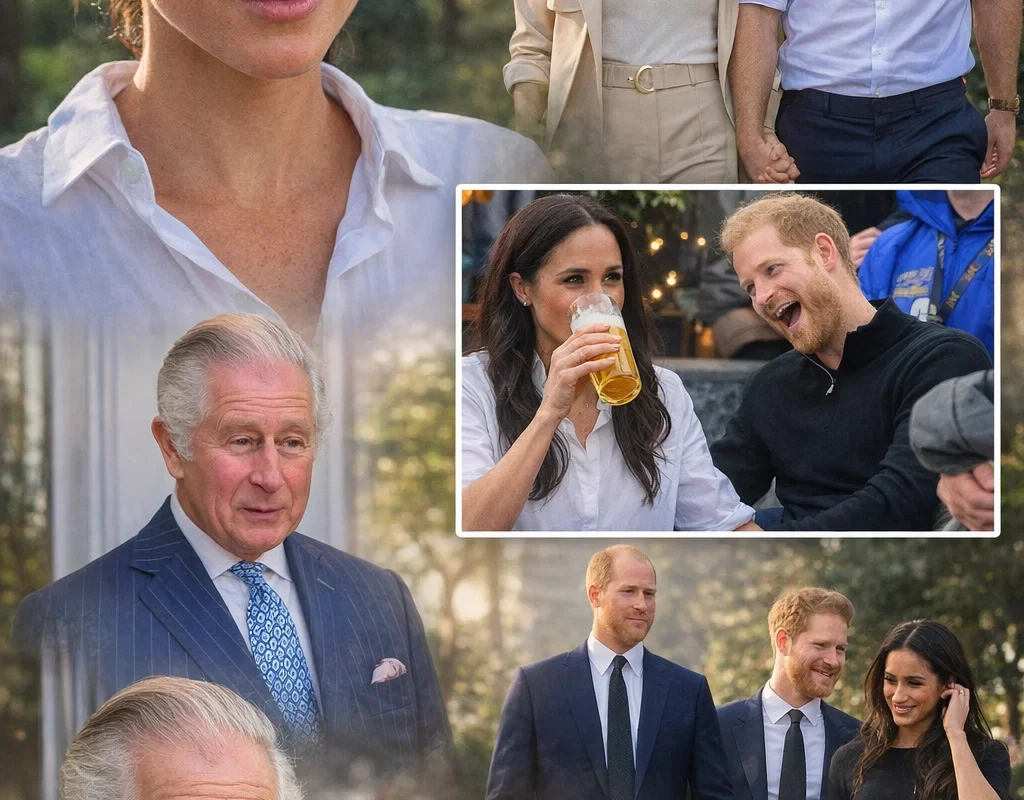
And in a poignant reminder of the current realities of royal life, this evening represented something far greater than mere ceremony. It was a moment of historic pomp, genuine cultural exchange, and the highest level of international representation — one thing that Meghan and Harry will never have the honor of having. While the Duke and Duchess of Sussex have built new lives overseas, they will never again stand in the Royal Procession at Windsor Castle, never wear the tiara or sash at a state banquet, and never represent the Crown in such a profound display of diplomacy and soft power on the world stage.
As the carriages rolled through the Quadrangle and the King and President Tinubu walked hand-in-hand into the castle, the message was clear: the monarchy continues to evolve, embrace new partnerships, and look confidently to the future — together.
News
Netflix, Spotify & The Royals All ‘Done’ With Harry & Meghan? Explosive Expert Claim Reveals Why The Sussexes Keep Burning Bridges
Prince Harry and Meghan Markle, the Duke and Duchess of Sussex, have developed a reputation for being difficult to work with, according to royal experts, with a pattern of strained…
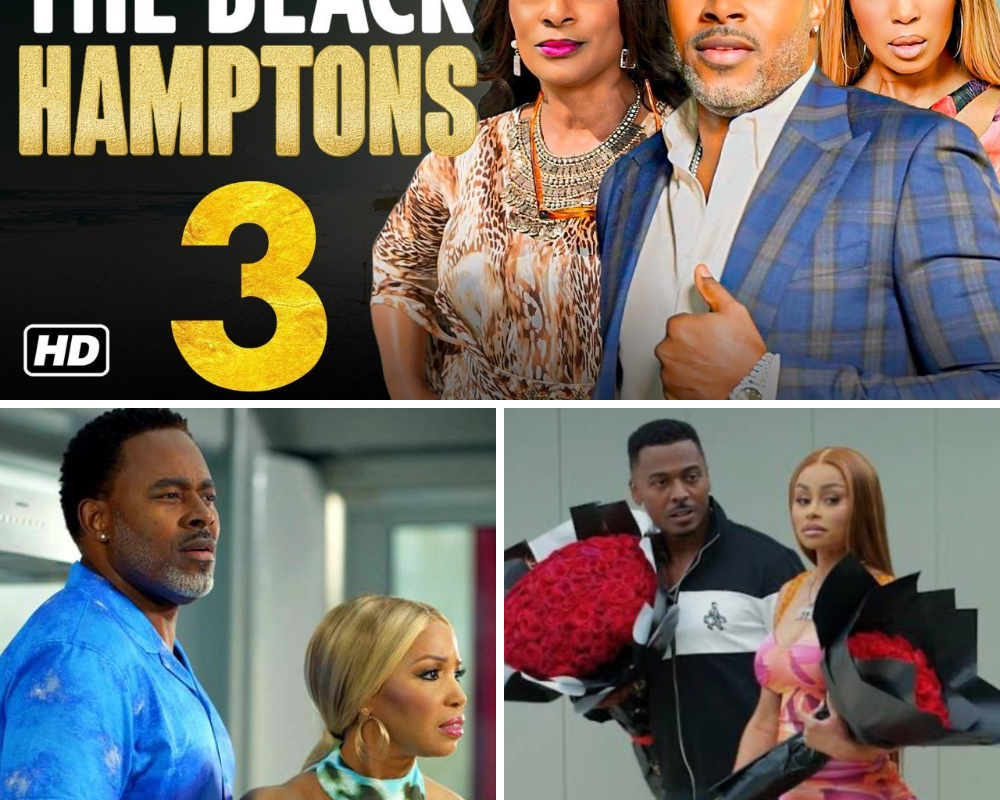
Oil Empire’s Darkest Secret Just Cracked Open: Is This the End of the Brittons in Black Hamptons Season 3?
The Black Hamptons has never felt this dangerously unstable. Season 3 opens with the long-simmering feud between the powerful Britton and Johnson families reaching a boiling point that threatens to…
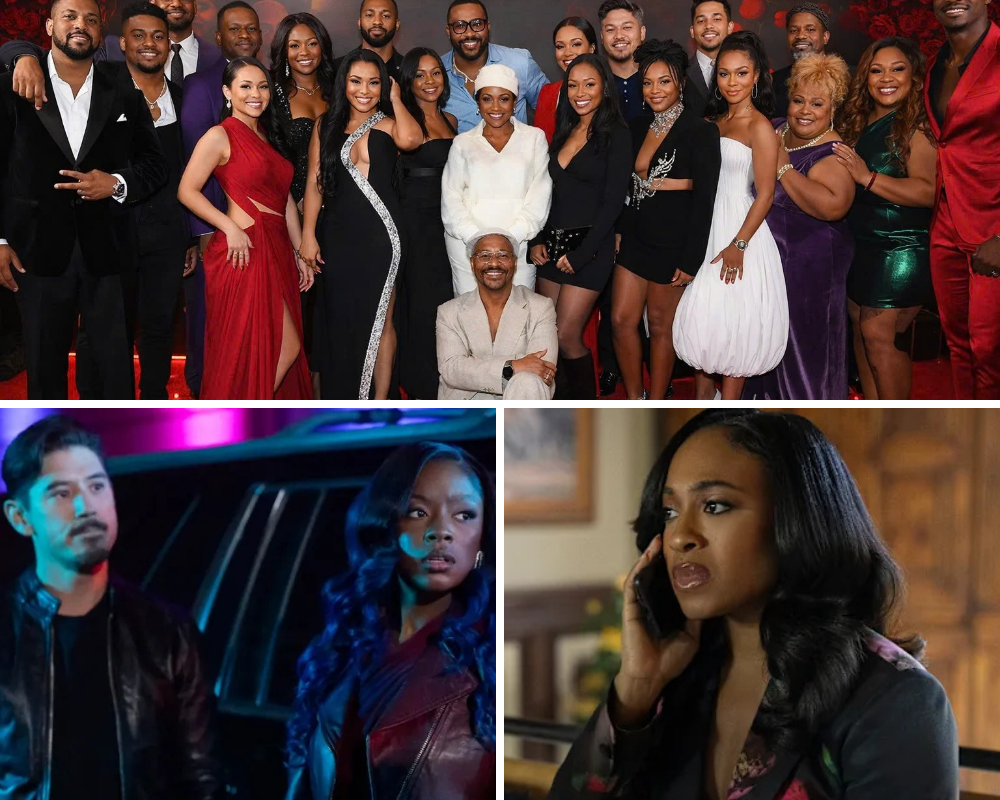
Tyler Perry Drops Bombshell: Beauty in Black Ends with Season 3 – But Kimmie Is Finally Taking Over… and No One Is Safe!
Tyler Perry has officially confirmed that Beauty in Black, the addictive Netflix drama that has kept audiences hooked with its mix of glamour, betrayal, and raw ambition, will conclude with…

Jules’ Dark Secret Exposed? Chilling Trailer for Beauty in Black Season 3 Shows Kimmie on Her Knees – What Really Happened in That Morgue?
The official trailer for Tyler Perry’s Beauty in Black Season 3 has just dropped, and all eyes are laser-focused on one man: Jules. The former pimp and head of security…
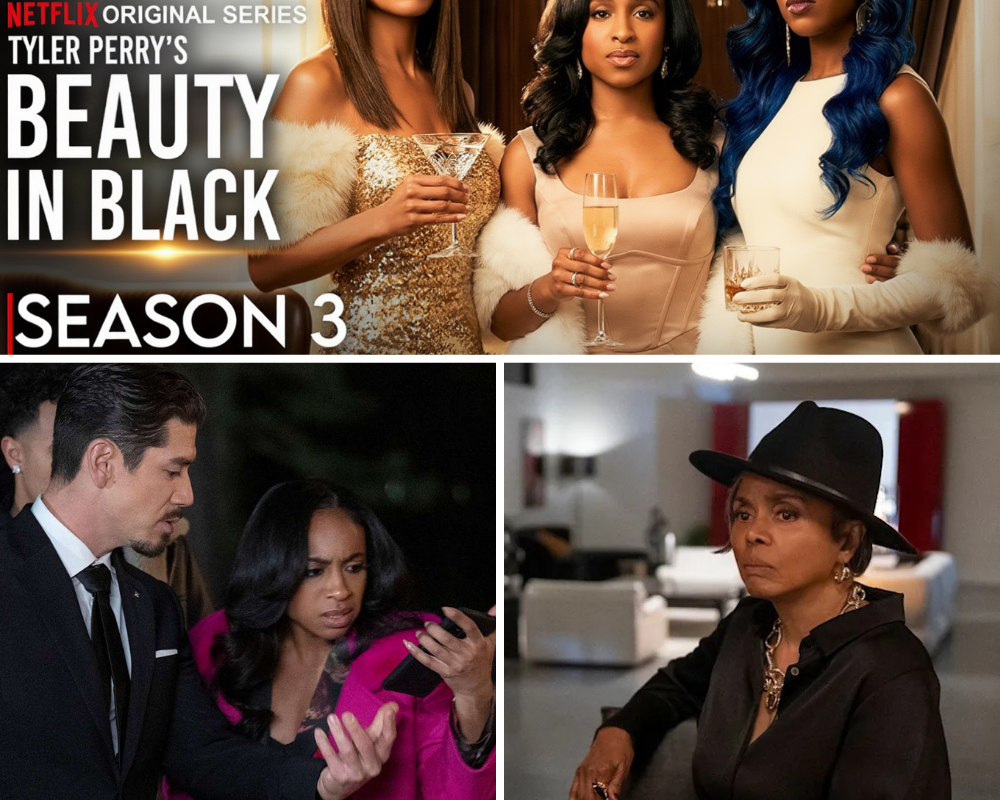
Beauty in Black Season 3 Bombshell: Not Malloy, Not Kimmie — But Sylvie’s Dangerous Dance With Jules Could Ignite Total Chaos!
Beauty in Black Season 3 has officially been confirmed as the explosive final chapter of Tyler Perry’s gripping Netflix drama, and fans are already buzzing with wild theories. While many…
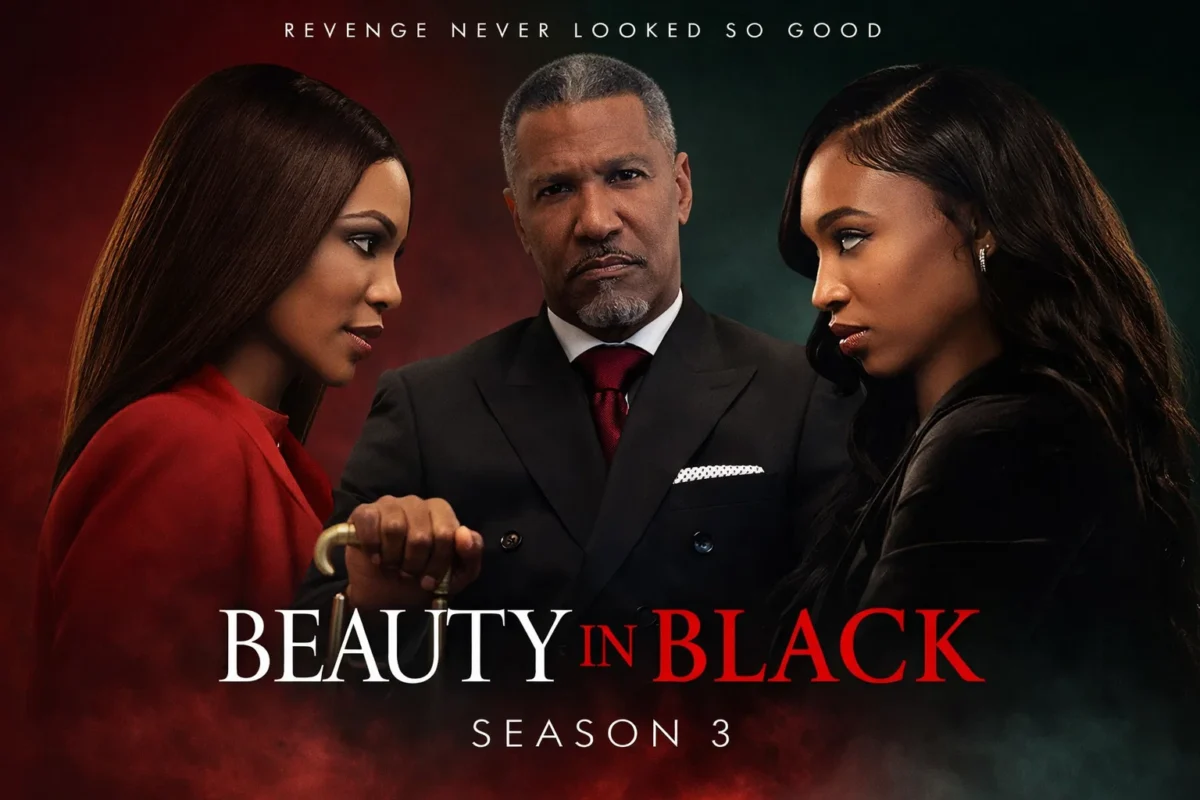
Horace’s Shocking Demand in Beauty in Black Season 3 Trailer: Will He Force Sylvie & Glenn to Give Him an Heir — And Cut Everyone Else Out of the Fortune?
The highly anticipated trailer for the final season of Tyler Perry’s Beauty in Black has just exploded online, leaving fans stunned and frantically theorizing about the future of the Bellarie…
End of content
No more pages to load