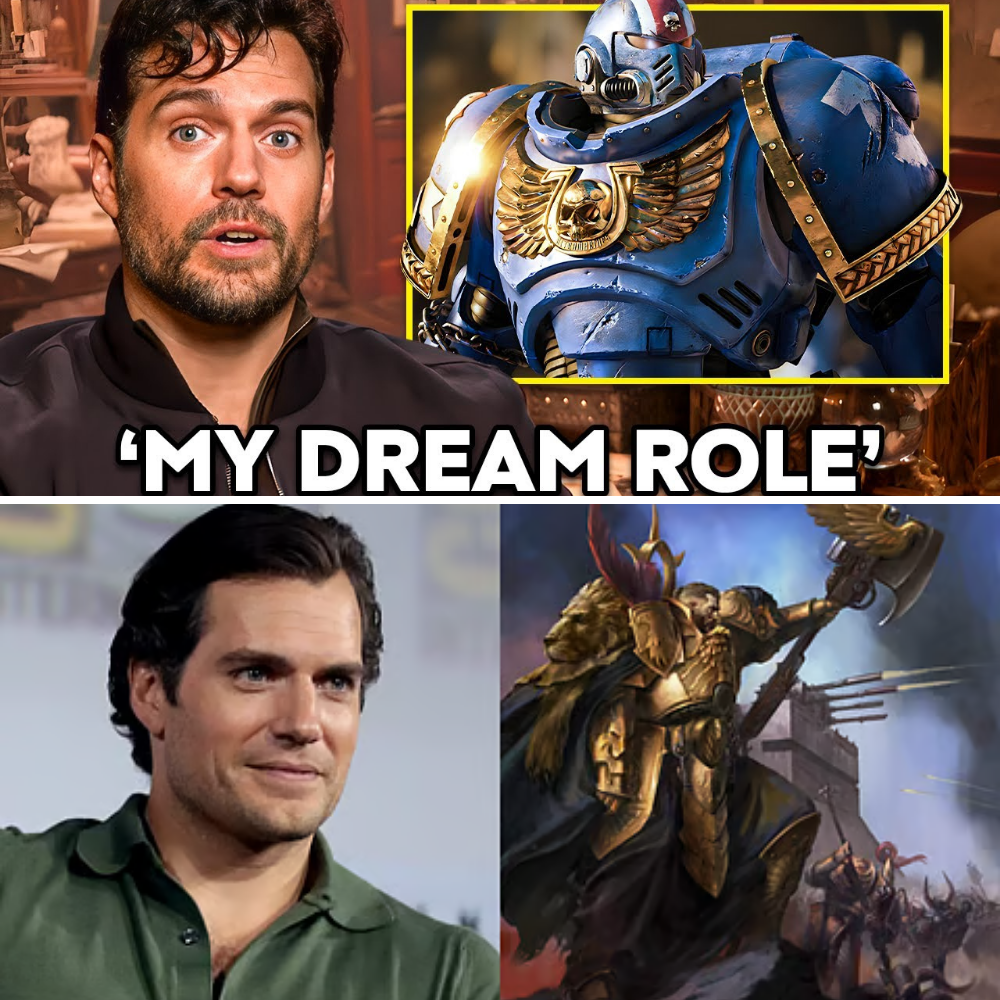
The anticipation for Henry Cavill’s live-action Warhammer 40,000 adaptation continues to build among fans of the iconic tabletop universe. Known for its unrelenting “grimdark” tone—where hope is scarce, war is eternal, and heroism comes at a brutal cost—the franchise has long resisted mainstream Hollywood softening. Now, as the project moves forward under Amazon MGM Studios, new insights suggest that the fiercest defender of its lore may not be Cavill alone.
The British actor, a lifelong enthusiast who has poured decades of passion into miniature gaming, serves as both star and executive producer. He has been vocal about his commitment to authenticity, describing the IP as “tricky” and “complex” while emphasizing the need to honor its massive scope without compromise. Behind the scenes, however, sources point to his partner, Natalie Viscuso, as a key force in safeguarding the story’s integrity.
Viscuso, an executive at Vertigo Entertainment, played a pivotal role in securing the rights and partnering with Games Workshop to land the deal at Amazon. More than just a producer, she is reportedly instrumental in pushing back against studio pressures that could dilute the franchise’s essence. Insiders claim she has vetoed major alterations, including a “chosen one” narrative arc and forced romantic subplots—elements that clash with Warhammer 40,000’s core philosophy of unrelenting despair, factional hatred, and no easy saviors. In a universe where even the “good guys” are authoritarian zealots fighting in endless galactic horror, such tropes risk undermining the very appeal that draws millions to the lore.
Cavill himself has acknowledged the collaborative effort, praising Viscuso for helping find the “perfect home” at Amazon, a platform willing to embrace the project’s ambitious scale. The adaptation, which could span TV series and films in a cinematic universe, remains in active development with a writers’ room in place. No release date has been set—likely not before late 2026 or beyond—but updates confirm steady progress under close oversight from both Cavill’s team and Games Workshop to ensure fidelity to the source material.
This dynamic highlights a broader trend in high-profile adaptations: passionate creators and their inner circles stepping in to protect beloved IPs from commercial dilution. Viscuso’s involvement goes beyond typical producer duties; she appears to be guarding something far larger—the soul of a franchise that thrives on its uncompromising darkness. For fans weary of sanitized reboots, this could be the assurance they need that Warhammer 40,000 will arrive on screen as brutal, vast, and unforgiving as ever.
As the wait continues, one thing is clear: in the grim darkness of the far future, even Hollywood must bend to the lore—or risk the Emperor’s wrath.