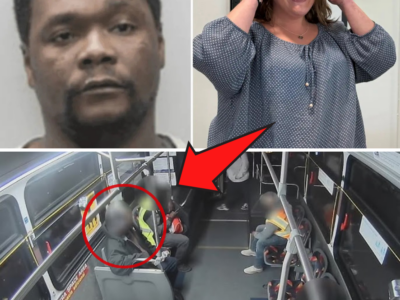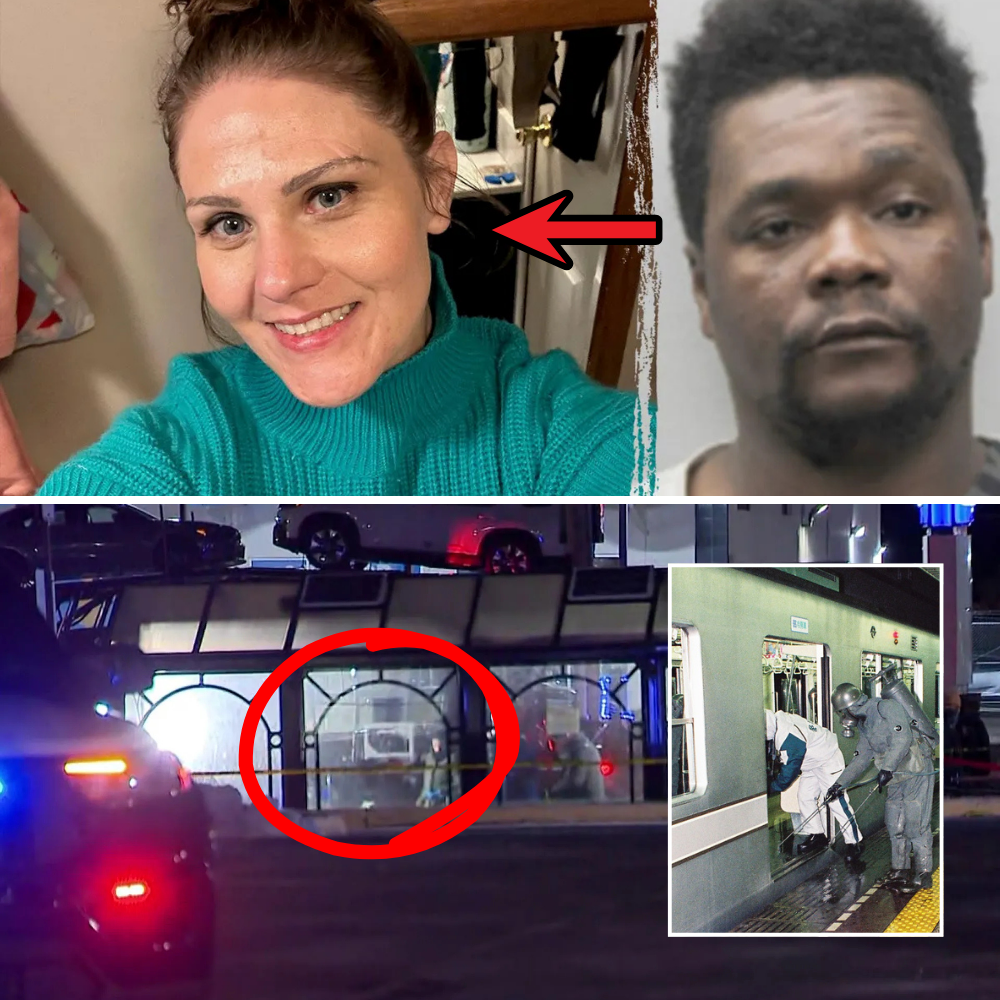
In a quiet evening bus shelter along Richmond Highway in Fairfax County’s Hybla Valley, what should have been a routine end to the day turned into unimaginable horror. On February 23, 2026, 41-year-old Stephanie Minter, a resident of Fredericksburg, stepped off a public bus and entered the shelter at the intersection with Arlington Drive. Moments later, she was found lifeless, her body bearing multiple brutal stab wounds to the upper body. Despite officers’ frantic attempts at life-saving measures, she was pronounced dead at the scene.
Surveillance footage captured the chilling sequence: Minter exited the bus alongside Abdul Jalloh, a 32-year-old man of no fixed address originally from Sierra Leone. The two were the last seen together before the attack unfolded in mere minutes. Police launched an intensive search, releasing images of Jalloh and warning the public he was dangerous. The breakthrough came the next day when a vigilant business owner spotted him entering a store in the Woodlawn area and alerted authorities. Officers arrested him on the spot, initially for an unrelated petit larceny, before linking him definitively to the homicide through evidence and interviews. On February 25, a warrant was issued charging him with second-degree murder.
Minter’s family remembers her as a radiant presence—a “beam of light in dark places,” according to her obituary. She was a mother whose daily routines, like taking the bus, ended in unthinkable violence. The randomness of the attack has left the community reeling: an ordinary commute shattered by sudden savagery.
Jalloh’s background adds layers of outrage. Authorities reveal he entered the U.S. illegally years ago and amassed more than 30 arrests, many involving serious violence including assaults, malicious woundings, and even an alleged rape. Several prior stabbing-related incidents have been tied to him, marking this as potentially the fifth such attack. Despite this extensive record, repeated releases allowed him to remain on the streets, raising painful questions about public safety systems.
The Department of Homeland Security lodged an immigration detainer, highlighting Jalloh as a long-term public safety threat. Fairfax County Police continue their investigation, but the case has sparked widespread grief and calls for accountability. How could a man with such a violent history walk free to claim another life?
For Minter’s loved ones, no answers can erase the pain of her final, desperate cries echoing in that lonely shelter. This senseless loss reminds us how fragile everyday safety can be—and how urgently reform is needed to protect the vulnerable. As the community mourns, one question lingers: Could this tragedy have been prevented?