Harry & Meghan’s secret media group chat just blew up their “dramatic” UK return plans – kids, royal stay, the works…
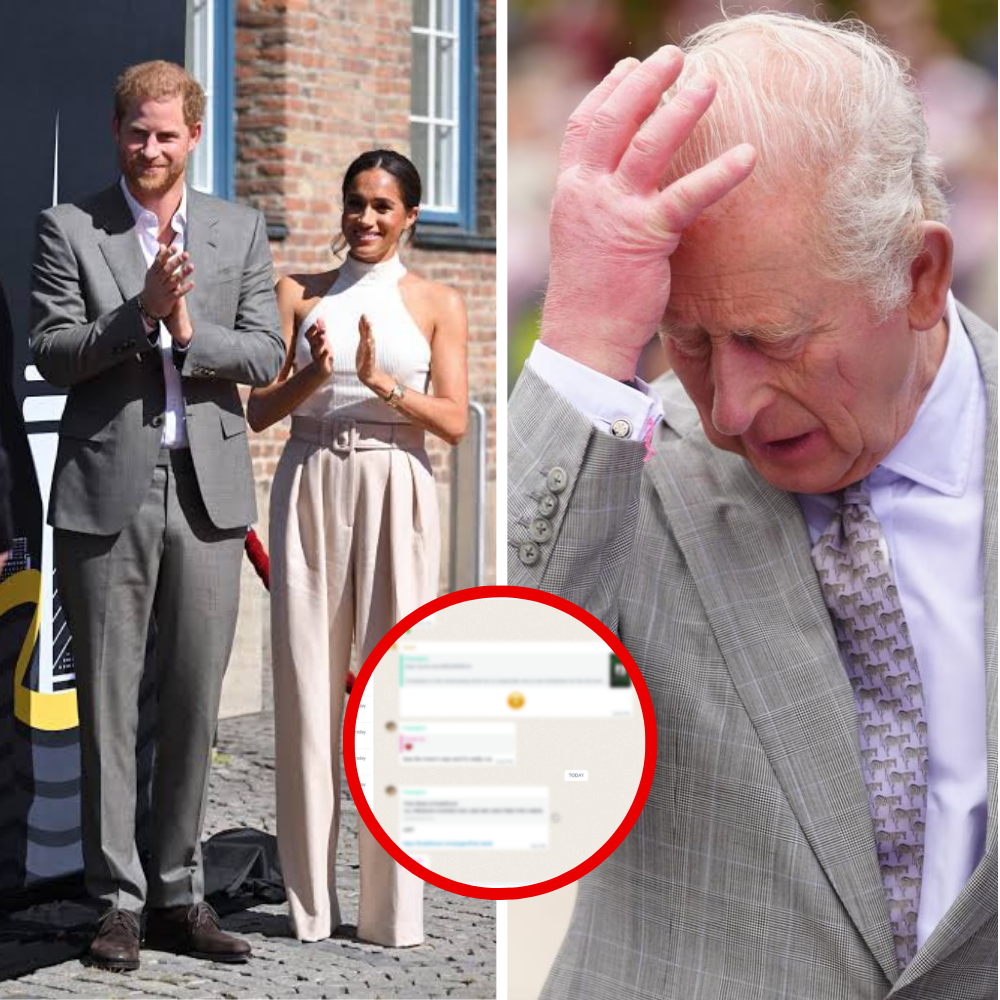
In a stunning twist that has royal watchers buzzing, details of a private WhatsApp group run by Prince Harry and Meghan Markle’s communications team have surfaced, shedding light on the dramatic uncertainty surrounding the couple’s planned return to Britain. The revelation highlights ongoing tensions over security, family logistics, and trust within the Sussexes’ carefully managed media strategy.
The group, managed by the couple’s Director of Communications Liam Maguire, was reportedly set up to provide select journalists with exclusive updates on the Sussexes’ upcoming UK visit, scheduled to begin around July 7. Initially, members received a detailed briefing note outlining ambitious plans: Harry, Meghan, and their children—Prince Archie, now seven, and Princess Lilibet, five—would travel together. It would mark the children’s first trip to Britain since Queen Elizabeth II’s Platinum Jubilee in 2022. The family was even said to be staying at a royal residence, a significant step given past restrictions on their access to properties like Frogmore Cottage.
News outlets quickly ran with the information, with reports emphasizing the family reunion aspect and potential meetings with senior royals amid efforts to ease longstanding rifts. However, within less than 24 hours, the narrative shifted dramatically. Journalists received a follow-up message indicating that Harry was reconsidering bringing his wife and children due to a rejected request for automatic, taxpayer-funded police protection. The Home Office committee had simply reaffirmed long-standing policy: since stepping back from royal duties and relocating to the US in 2020, the couple does not qualify for routine state security in the UK.

This rapid about-face left many reporters scrambling and some publicly acknowledging the confusion. Observers note that the episode underscores deeper challenges in the Sussexes’ post-royal life. Harry has long expressed frustration over security arrangements, particularly after legal battles and appeals that upheld the current framework. The situation reportedly stems from no new developments between the initial briefing and the reversal—only Harry’s strong reaction to the confirmation of existing rules. Critics argue this approach risks undermining credibility with the media and the public, painting a picture of instability at a time when the couple faces broader pressures.
The Sussexes’ move to Montecito, California, was intended to forge an independent path through media deals, philanthropy via Archewell, and personal projects. Yet recent years have brought reported staffing changes, adjustments to business ventures, and ongoing scrutiny of their public image. Harry’s involvement in initiatives like the Invictus Games provides a platform tied to his military service and personal causes, but family visits to the UK remain complicated by security concerns and relational dynamics. King Charles has maintained a stance focused on institutional consistency rather than personal intervention.
For many, the WhatsApp saga represents another chapter in a familiar pattern of high-stakes announcements followed by adjustments. It fuels debates about transparency, the role of modern communications in royal-adjacent narratives, and the emotional toll on all parties involved. As the planned visit approaches, questions linger: Will the family travel together? How will this affect future relations? The episode serves as a reminder of the delicate balance the Sussexes navigate between privacy, public engagement, and their unique position in the royal orbit. While details continue to evolve, the incident has reignited conversations about trust, strategy, and the enduring public fascination with one of the most talked-about couples in modern monarchy history.