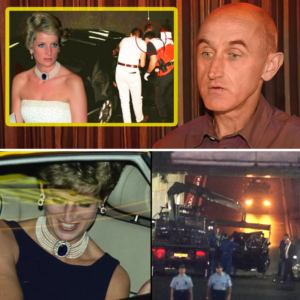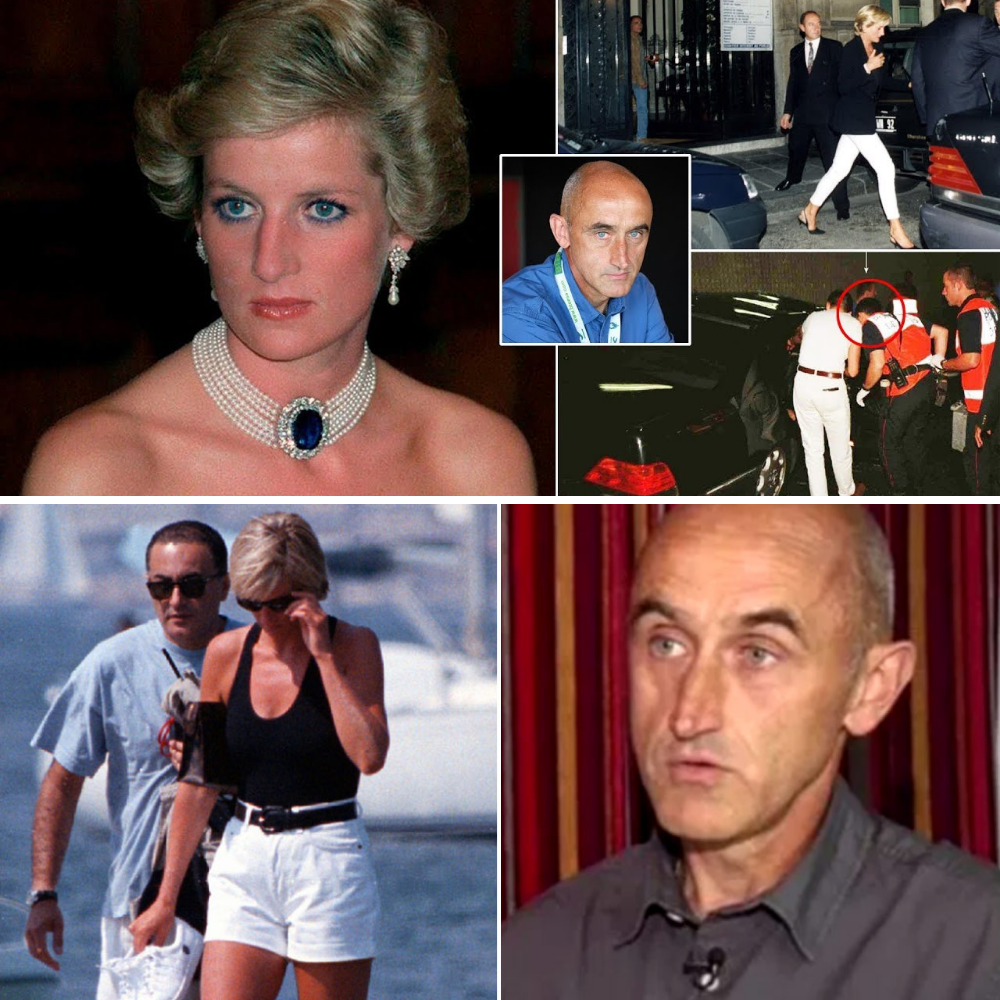
Nearly three decades after the tragic car crash that claimed the life of Princess Diana, a French firefighter who was among the first responders has once again opened up about the haunting moments in the Pont de l’Alma tunnel in Paris. Xavier Gourmelon, the man who held the princess’s hand and tried to calm her amid the wreckage, shared details that continue to move people worldwide.
On the night of August 31, 1997, Diana, along with Dodi Fayed and driver Henri Paul, was involved in a high-speed accident. Gourmelon and his team arrived quickly at the scene. He recalled not immediately recognizing the blonde woman trapped in the mangled Mercedes. She appeared conscious, her eyes open, and seemed relatively unharmed at first glance—no visible blood, only a minor shoulder injury.
As he worked to stabilize her and waited for extraction, Gourmelon gently held her hand and reassured her to stay calm. In those final moments of awareness, Diana looked at him and spoke four simple, devastating words: “My God, what’s happened?”
Those were reportedly her last coherent words. Shortly after, as rescuers freed her from the vehicle and placed her in the ambulance, she suffered a cardiac arrest. Gourmelon performed CPR, massaging her heart for precious seconds until she began breathing again. At the time, he believed she would survive. “I thought she would live,” he later reflected. “She even started breathing after the massage—it felt like a victory.” Tragically, internal injuries proved fatal, and Diana was pronounced dead hours later at the Pitié-Salpêtrière Hospital.
Gourmelon’s account has resurfaced repeatedly over the years, especially around anniversaries of her death. He described the princess as “agitated” but cooperative, responding to his efforts to comfort her. He emphasized that no one at the scene initially knew her identity; they treated her like any accident victim. The emotional weight of the event stayed with him long after—he admitted to being deeply upset upon learning of her passing.
The crash sparked endless speculation, conspiracy theories, and inquiries into the circumstances, including the driver’s speed, paparazzi pursuit, and security failures. Yet Gourmelon’s straightforward recollection stands out for its raw humanity: a first responder doing his duty in chaos, offering solace to one of the most famous women in the world during her final conscious minutes.
Decades on, these words—”My God, what’s happened?”—capture the shock and confusion of that fateful night. They remind the world of Diana’s vulnerability in her last moments, a far cry from the glamorous icon she had become. As tributes continue to pour in, Gourmelon’s quiet testimony serves as a poignant reminder of the human cost behind the tragedy that shook the globe.