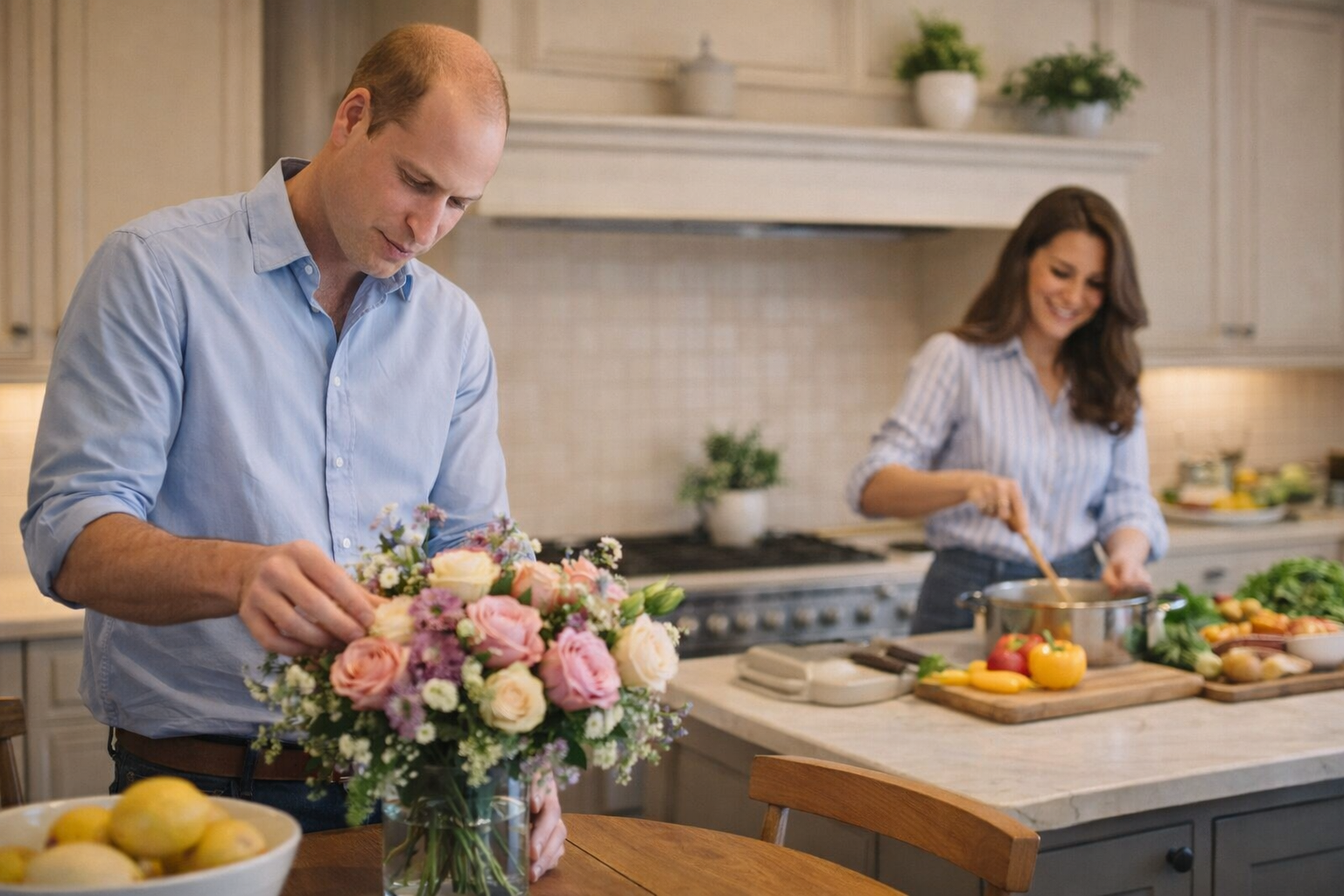
In a move that captured hearts across Wales and beyond, the Prince and Princess of Wales, Prince William and Catherine, delivered their first-ever fully Welsh-language video message to mark St. David’s Day on March 1, 2026. Standing side by side on the Windsor estate, adorned with daffodils — Wales’s national flower — the couple wished everyone a “Dydd Gŵyl Dewi Hapus” (Happy St. David’s Day). William opened with warm greetings, praising Wales as a “beautiful country with rich history and wonderful people,” while Kate added heartfelt words about how close Wales is to their hearts and their excitement for future visits.
This gesture was widely seen as deeply meaningful for their roles as Prince and Princess of Wales. Since taking on the titles, the couple has shown consistent commitment to embracing Welsh culture, language, and communities. The video, recorded shortly after a recent visit to mid-Wales towns like Llanidloes and Newtown, underscored their efforts to connect authentically with the principality they represent. For many Welsh speakers and royal watchers, it symbolized a modern monarchy striving to honor regional identities in an increasingly diverse United Kingdom.
However, the release sparked surprise when Dai Davies, a former head of royal protection with deep ties to Wales, offered his candid assessment. Known for his no-nonsense style from years safeguarding the royal family, Davies admitted he was “full of admiration” that William and Kate took on the challenging task of speaking Welsh publicly. He noted that most in Wales would appreciate the effort, especially from English-born royals learning a complex Celtic language. Yet, in a refreshingly honest twist, he described their attempt as “reasonable in parts,” but pointed out that “the main pronunciation was not quite there.” Comparing it to the old saying about the “curate’s egg” — good in parts but flawed overall — Davies highlighted the difficulties of Welsh phonetics, which differ significantly from English.
His comments left many surprised, not because they were harsh, but because they came from someone inside the royal security world who rarely speaks publicly. In an era where royal commentary often leans toward polished praise or outright criticism, Davies struck a balanced tone: genuine respect for the couple’s initiative mixed with constructive feedback on execution. This frankness resonated, reminding people that even well-intentioned efforts can have room for improvement — and that authenticity sometimes means acknowledging imperfections.
The message itself highlighted the couple’s growing confidence in Welsh affairs. William has been practicing the language since becoming Prince of Wales, and Kate’s participation marked her public debut in Welsh. Supporters praised it as a thoughtful nod to cultural preservation amid concerns over declining Welsh speakers. Critics, meanwhile, saw it as a positive step in bridging the monarchy with Wales’s devolved identity.
Ultimately, the episode reinforced William and Kate’s dedication to their Welsh roles. While pronunciation may not have been flawless, the intent — showing respect and affection for Wales — shone through. As one observer put it, “It’s not about perfection; it’s about showing up.” In doing so, the Waleses strengthened their bond with a nation that holds a special place in their titles and, increasingly, their hearts.
News
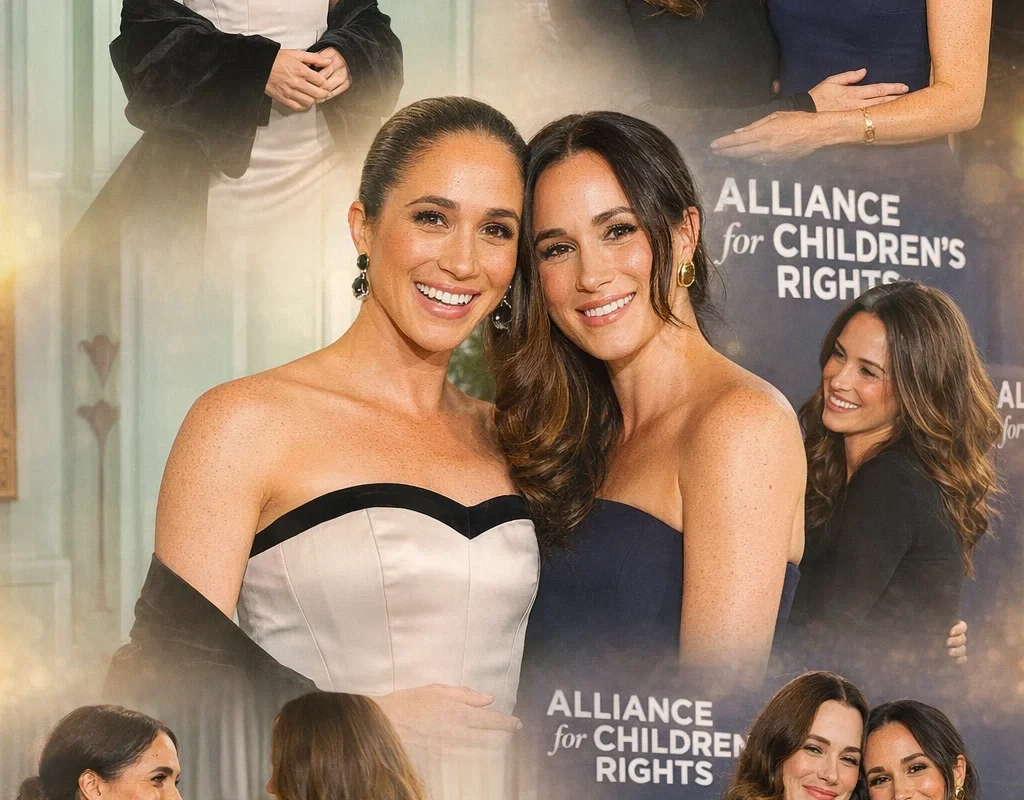
Meghan Markle Dazzles in £3,000 Strapless Ralph Lauren Gown at LA Charity Gala — Radiating Inner Confidence Amid Netflix Rumors
Meghan Markle walked the red carpet for a charity bash in Los Angeles in her first appearance since ending her lifestyle partnership with Netflix. The Duchess of Sussex, 44, picked an understated yet chic…
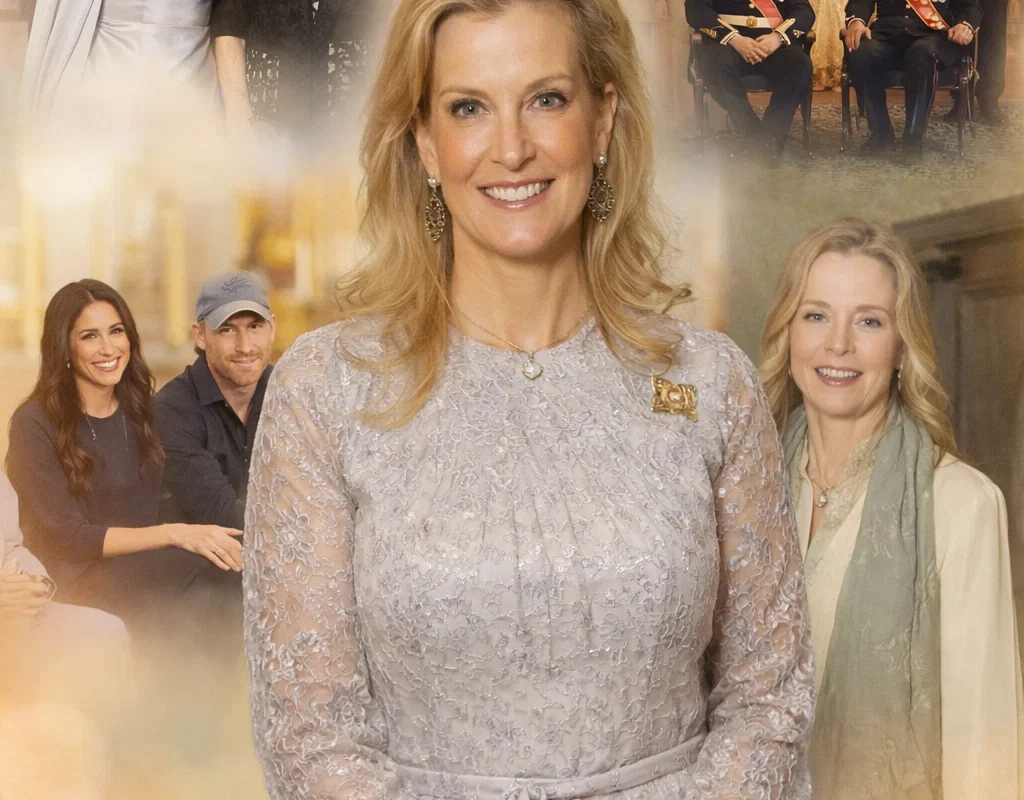
Royal Ladies’ Elegant Night Out: Sophie, Duchess of Edinburgh, Makes Rare Joint Appearance with Lady Helen Taylor at Star-Studded Jane Goodall Legacy Gala
The glamorous Duchess of Edinburgh made a surprise appearance with Lady Helen Taylor at a gala to celebrate the legacy of Dr Jane Goodall last night. Sophie, 61, stunned in a flowing,…
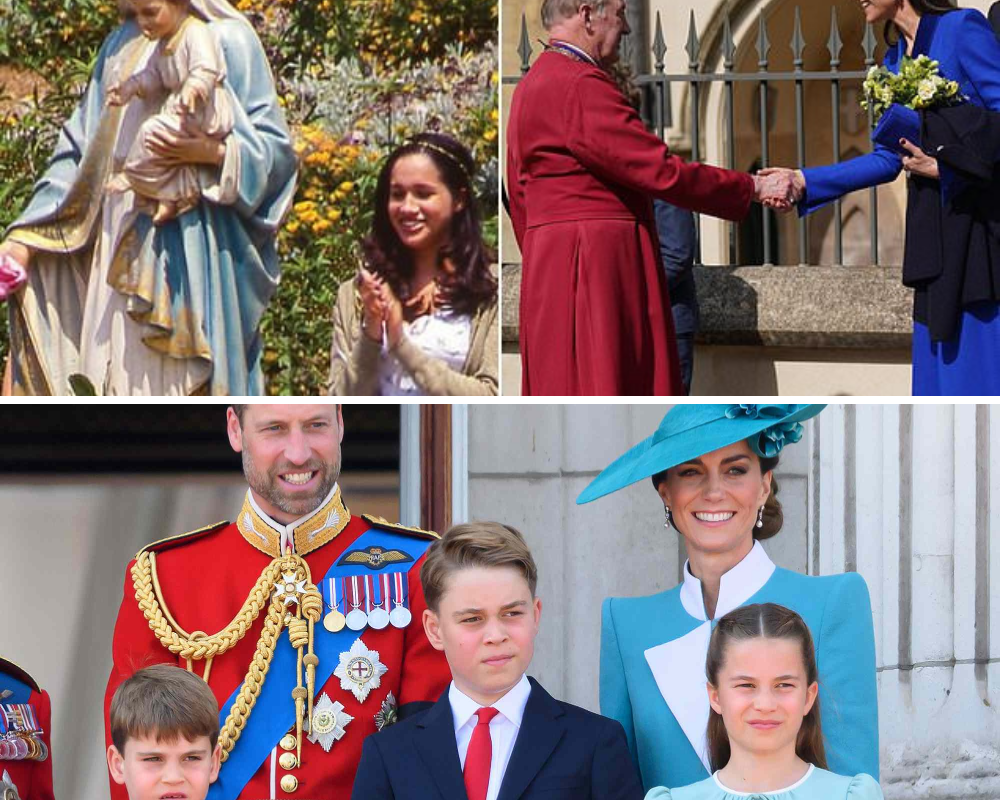
Prince William’s ‘Quiet Faith’ Sparks Fury – But His Real Spiritual Strength Lies With Kate & Meghan?
Prince William has sparked controversy with a somewhat lukewarm endorsement of the Church of England, which he will one day govern, after it was revealed he has a ‘quiet faith’. However,…
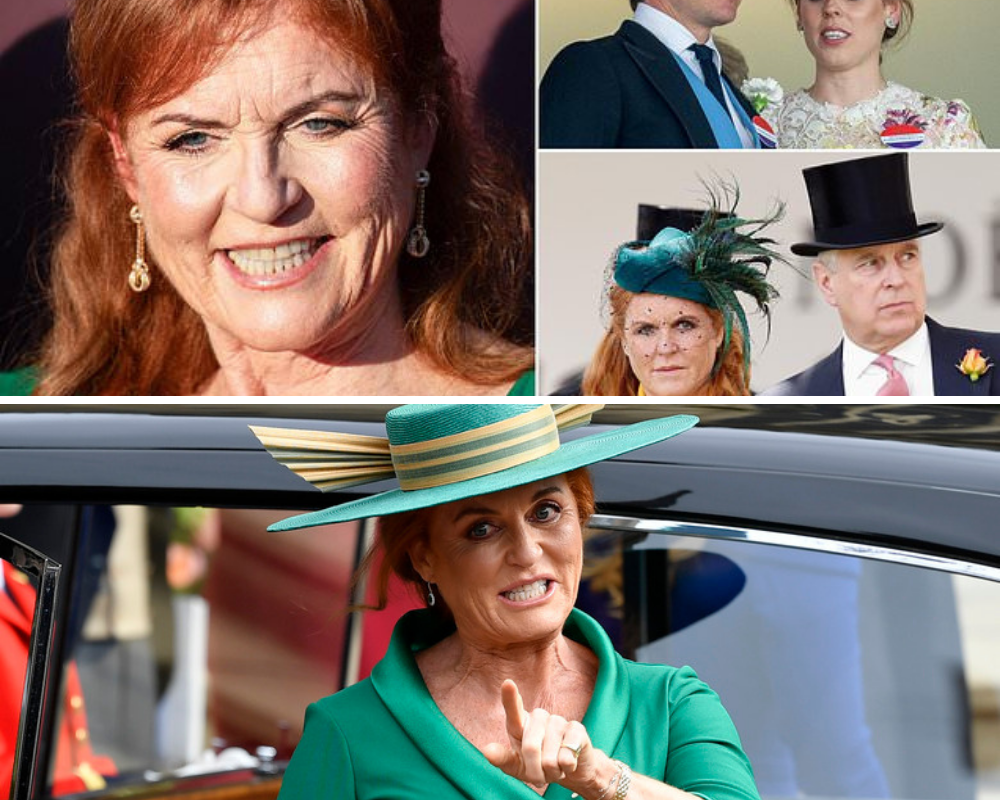
🚨 BREAKING: Where the HELL is Fergie?! 😱Sarah Vine just dropped the BOMBSHELL — she knows the REAL secret behind why NO ONE can find Sarah Ferguson!
The former Duchess of York, once one of the most photographed women in Britain, has effectively become the royal family’s most famous missing person. She has not been seen in…
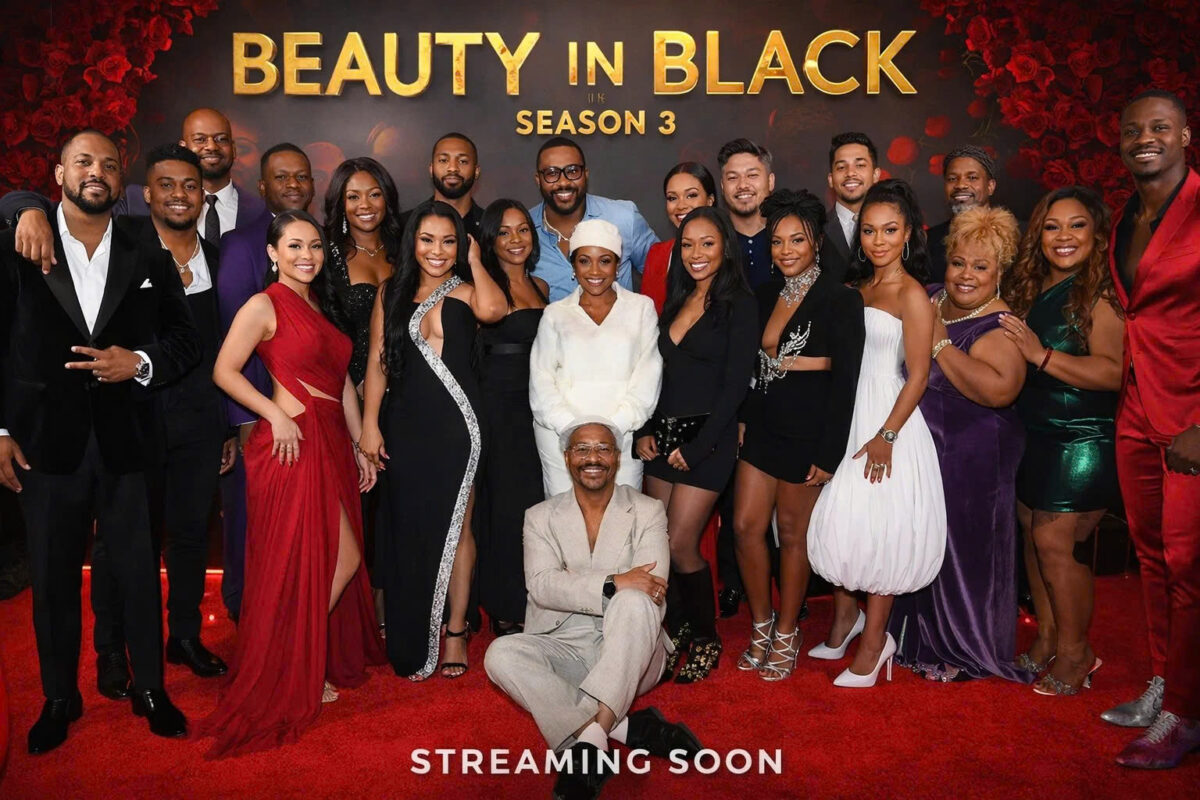
Pregnant by the Enemy’s Son, Trapped in a Deadly Love Triangle, and One Shocking Wedding — Beauty in Black Season 3 Is About to Explode Everything!
The clock is ticking. Tyler Perry’s explosive drama Beauty in Black returns for its third and final season on Netflix, and if the early teases are anything to go by,…
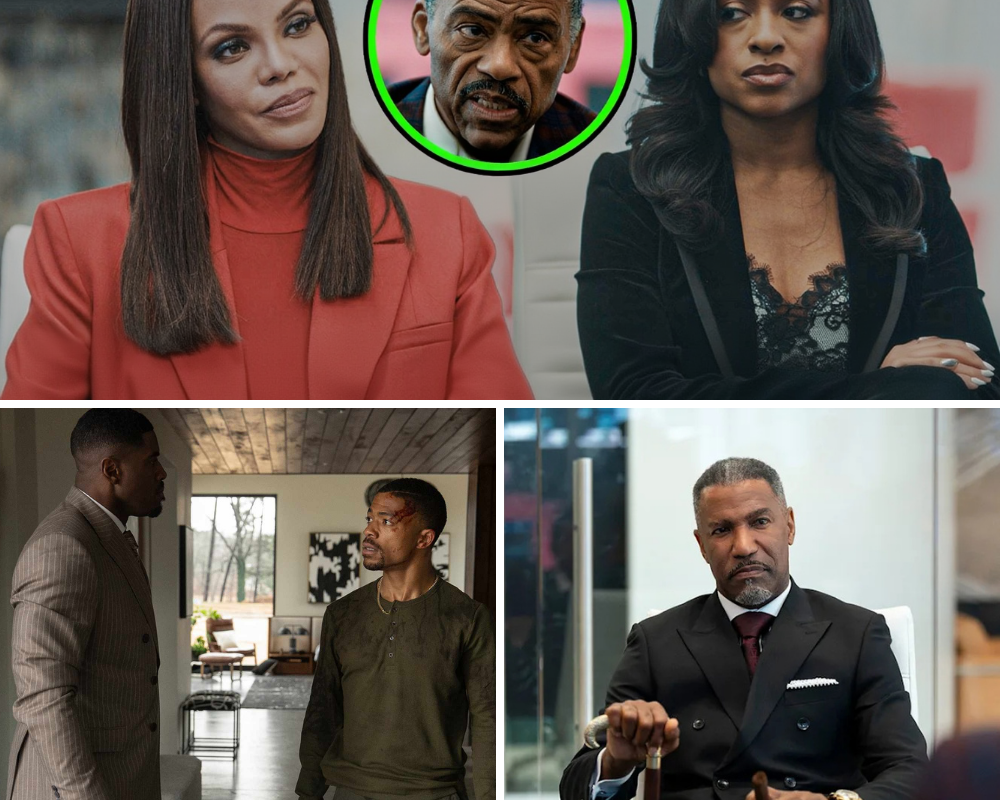
She Thought She Had Them Wrapped Around Her Finger — But Mallory’s Deadly Power Play in Beauty in Black Season 3 Just Backfired in the Most Shocking Way Yet!
The explosive final season of Tyler Perry’s hit drama Beauty in Black has arrived, and the series finale delivers a jaw-dropping conclusion that no one saw coming. In a season…
End of content
No more pages to load