Bombshell Revelation: The Shocking Shoe Secret That Destroyed Princess Diana and Sarah Ferguson’s Sisterly Bond Forever
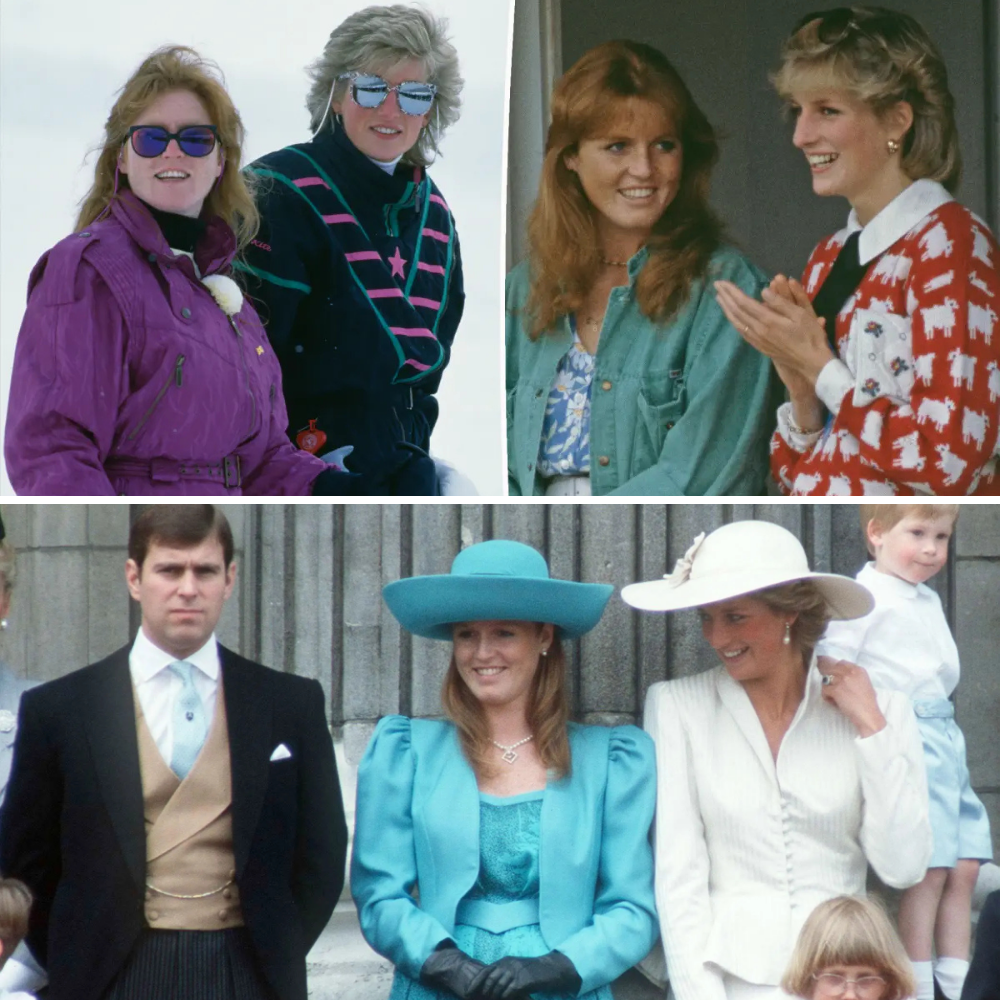
The once-unbreakable friendship between Princess Diana and Sarah Ferguson, the Duchess of York, ended in a painful silence that lasted until the end of Diana’s life. What began as a close sisterly relationship between two women who married into the royal family ultimately crumbled over a deeply personal revelation in Ferguson’s 1996 autobiography, “My Story.”
Diana and Ferguson were fourth cousins and had known each other since childhood. Their bond strengthened significantly after Diana introduced Ferguson to Prince Andrew. The pair married in 1986, becoming sisters-in-law and sharing the unique pressures of royal life. According to royal observers, the two women often confided in each other, meeting regularly to vent about the restrictions and challenges of the monarchy. They bonded over their similar experiences navigating public scrutiny and private struggles within the institution.
Their closeness appeared resilient at first. Even as both faced marital difficulties — Diana separating from Prince Charles in 1992 and Ferguson separating from Andrew the same year — they supported one another. However, cracks began to form as Diana grew concerned about Ferguson’s more outgoing and boisterous personality potentially harming her own carefully managed public image.

The final breaking point came with the publication of Ferguson’s memoir in 1996. In the book, Ferguson casually mentioned borrowing shoes from Diana and contracting a verruca (plantar wart) from them. While seemingly trivial, this personal anecdote reportedly devastated Diana, who felt it portrayed her in an undignified light. Royal experts note that Diana, known for fiercely protecting her privacy and narrative, viewed the disclosure as a betrayal.
Beyond the shoe incident, deeper issues emerged. Diana reportedly suspected Ferguson of sharing private stories and conversations, including references involving her young sons, Princes William and Harry. Despite Ferguson’s later claims that she never fully understood the rift and had attempted reconciliation through letters, the damage was irreversible. The two had not spoken for nearly a year by the time of Diana’s tragic death in a Paris car crash in 1997.
Ferguson has spoken warmly of Diana in later years, describing her as a dear friend and expressing regret over the lost connection. She once noted that Diana had reached out indirectly shortly before the accident, hinting at a possible reconciliation that never materialized. Yet the relationship was never repaired, with Ferguson admitting the estrangement lingered.
This falling out highlighted the intense pressures and fragilities within royal relationships. Both women endured public scandals and personal heartbreaks, yet their shared history could not overcome the perceived breach of trust. The story continues to fascinate royal watchers, serving as a reminder of how even the closest bonds can fracture under the weight of fame, privacy concerns, and unspoken resentments.
In the years since, Ferguson has reflected on their complicated dynamic, while Diana’s legacy as a beloved figure remains untarnished. The revelation of these details decades later underscores the enduring intrigue surrounding the royal family’s inner circles.