The revelation came like a thunderclap amid mounting speculation: the mysterious 911 call reporting a “domestic dispute” from the Tepe home months before the double murder was not from Monique Tepe herself, but from a party guest caught in her own emotional storm. This clarification, delivered by Spencer’s brother-in-law Rob Misleh, cut through swirling rumors that had begun to paint the couple’s marriage in darker hues. In a case already shrouded in heartbreak and horror—the brutal shootings of Spencer Tepe, a beloved 37-year-old dentist, and his wife Monique, 39, in their Columbus home on December 30, 2025—the detail about the earlier call offered a moment of clarity, even as the search for justice intensified.
The tragedy struck in the heart of Weinland Park, a Columbus neighborhood blending historic charm with modern revitalization. Tree-lined streets and community gardens masked the violence that erupted in the early morning hours between 2 a.m. and 5 a.m. that fateful Tuesday. Spencer and Monique were found with fatal gunshot wounds upstairs in their North 4th Street residence. No forced entry marred the doors or windows; no weapon lay at the scene. Their two young children—a bright-eyed 4-year-old and a 1-year-old toddler—remained unharmed inside, along with the family dog, a small beacon of normalcy amid chaos. Police swiftly ruled out murder-suicide, leaving the community to grapple with the chilling reality of targeted homicide in a place that felt safe.
Spencer Tepe embodied quiet reliability. A graduate of The Ohio State University, he built a career at Athens Dental Depot, where his warm demeanor transformed anxious patients into friends. Colleagues described him as punctual, compassionate, endlessly welcoming—a man who loved children deeply, officiated weddings for friends, and played tirelessly with little cousins. Monique complemented him perfectly: patient, joyful, her warmth defining every interaction. Family tributes called her an “amazing mom,” the emotional core of their household. The couple, married in 2021, had been eagerly anticipating their five-year anniversary the following month—a milestone now forever stolen.
The chain of events began innocently enough. Spencer failed to appear for work, an anomaly that alarmed his boss, Mark Valrose, vacationing in Florida but quick to act. Valrose dialed 911 for a welfare check. Around 10 a.m., a friend arrived at the home, peered inside, and made a frantic call: “There’s a body… Our friend wasn’t answering his phone. We just did a wellness check. We just came here, and he appears dead. He’s laying next to his bed, off of his bed in this blood. I can’t get closer to see more than that.” The raw terror in that recording haunted listeners, capturing the moment innocence shattered.

As investigators combed the scene, a prior incident surfaced: an April 15, 2025, 911 call at 2:45 a.m. from the same address, logged as a “domestic dispute.” The caller, a woman, sounded tearful after an initial hang-up. “Me and my man got into it,” she told the operator, insisting no police were needed despite her distress. “I’m OK, I promise. I’m just emotional… No, no physical.” The dispatcher canceled the response. Speculation erupted online and in media circles—had this been a glimpse into hidden turmoil between Spencer and Monique?
Rob Misleh, Spencer’s brother-in-law, stepped forward to dismantle that narrative. In interviews, including on the “Surviving the Survivor” podcast, he asserted unequivocally: the voice belonged not to Monique but to a party guest. “If you listen to the voice, it’s quite clearly not Monique. Everybody has seen the wedding video and has heard Monique talk and it’s obviously not Monique who’s calling.” He explained the couple frequently hosted gatherings. “Spencer and Monique had people over a lot… Sometimes at these parties, people get a little too drunk.” Multiple attendees corroborated the story: a woman experienced a “freak-out,” possibly tied to intoxication or mental health struggles, and dialed 911 from her cellphone amid an argument with her own partner. “She was at this party and she just had kind of a lapse psychologically, I think at the time,” Misleh said.

Columbus police confirmed the caller was not Monique, and no prior domestic-related calls tied to the Tepes existed. The clarification arrived January 7, 2026, via Fox News, easing family anguish while redirecting focus to the real mystery: who entered that home in the dead of night and why?
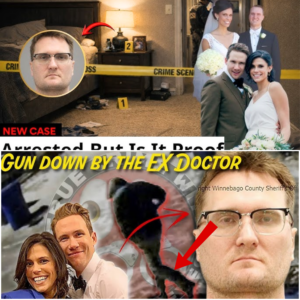
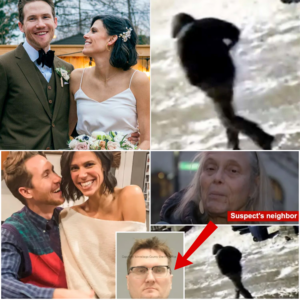
Surveillance footage released December 30 became pivotal. Grainy images captured a person of interest walking deliberately through an alley near the residence during the suspected timeframe. Dressed in a dark coat and light-colored pants, the figure moved with purpose, vanishing into shadows. This visual clue, combined with vehicle tracking, propelled the investigation forward. By January 10, authorities arrested Michael David McKee, Monique’s ex-husband, in Rockford, Illinois—roughly 300 miles away.
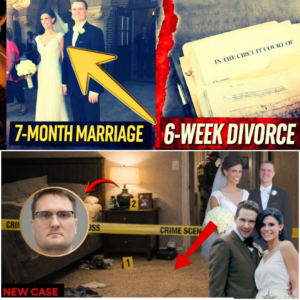
McKee, 39, a vascular surgeon trained at top institutions and licensed across states, practiced in Illinois. His brief marriage to Monique (August 2015 to June 2017) ended amicably on paper, with no children or documented violence. Yet family whispers suggested emotional abuse during that period. The divorce allowed Monique to rebuild; she met Spencer, found happiness, and started a family. McKee advanced professionally, but the contrast between his life-saving career and the allegations now leveled against him stunned colleagues and acquaintances.
Charges escalated quickly: from two counts of murder to aggravated murder with premeditation, implying “prior calculation and design.” McKee waived extradition January 12 in an Illinois courtroom, appearing shackled and composed in a yellow jumpsuit. His public defender announced he would plead not guilty, expecting swift transfer to Ohio for arraignment in Franklin County. The waiver accelerated proceedings, but the motive remained elusive—officials offered no official statement, leaving speculation to swirl around jealousy, unresolved resentment, or a trigger tied to the approaching anniversary.
The case exposed raw vulnerabilities. Domestic violence experts noted ex-partner homicides often stem from perceived loss of control, with new relationships igniting rage. Though the April call proved unrelated, it underscored how easily assumptions can distort truth in high-profile tragedies. Weinland Park residents, already shaken, heightened security—more cameras, neighborhood watches—while leaders advocated for mental health and conflict resources.
For the Tepe children, the loss cuts deepest. Orphaned in an instant, they now rely on extended family for stability. Therapeutic support will be crucial as they navigate grief far beyond their years. Family statements captured profound sorrow: “heartbroken beyond words,” the deaths “tragic and senseless.” Yet love endured in memories—Spencer’s welcoming spirit, Monique’s joyful warmth.
As McKee prepares to face Ohio justice, the investigation continues. Forensic evidence, digital trails, travel records—all will undergo scrutiny. Prosecutors face the burden of proving premeditation beyond doubt; defense may challenge links or introduce alternatives. The trial promises intensity, drawing eyes nationwide to questions of betrayal, hidden motives, and the thin line between ordinary life and catastrophe.
This story transcends a single crime. It probes human darkness—the surgeon who allegedly turned healer into destroyer, the family shattered on the cusp of celebration, a community forever altered. In Columbus’s heartland, where trust once flowed easily, vigilance now prevails. Monique and Spencer’s legacy lives in their children’s resilience, loved ones’ memories, and the relentless pursuit of truth.
The pursuit of justice inches forward, one revelation at a time. The April call, once a red herring, reminds us: truth emerges not from speculation, but from facts painstakingly uncovered. For the Tepes, that truth cannot restore what was lost—but it may offer the fragile solace of accountability in a world suddenly devoid of their light.