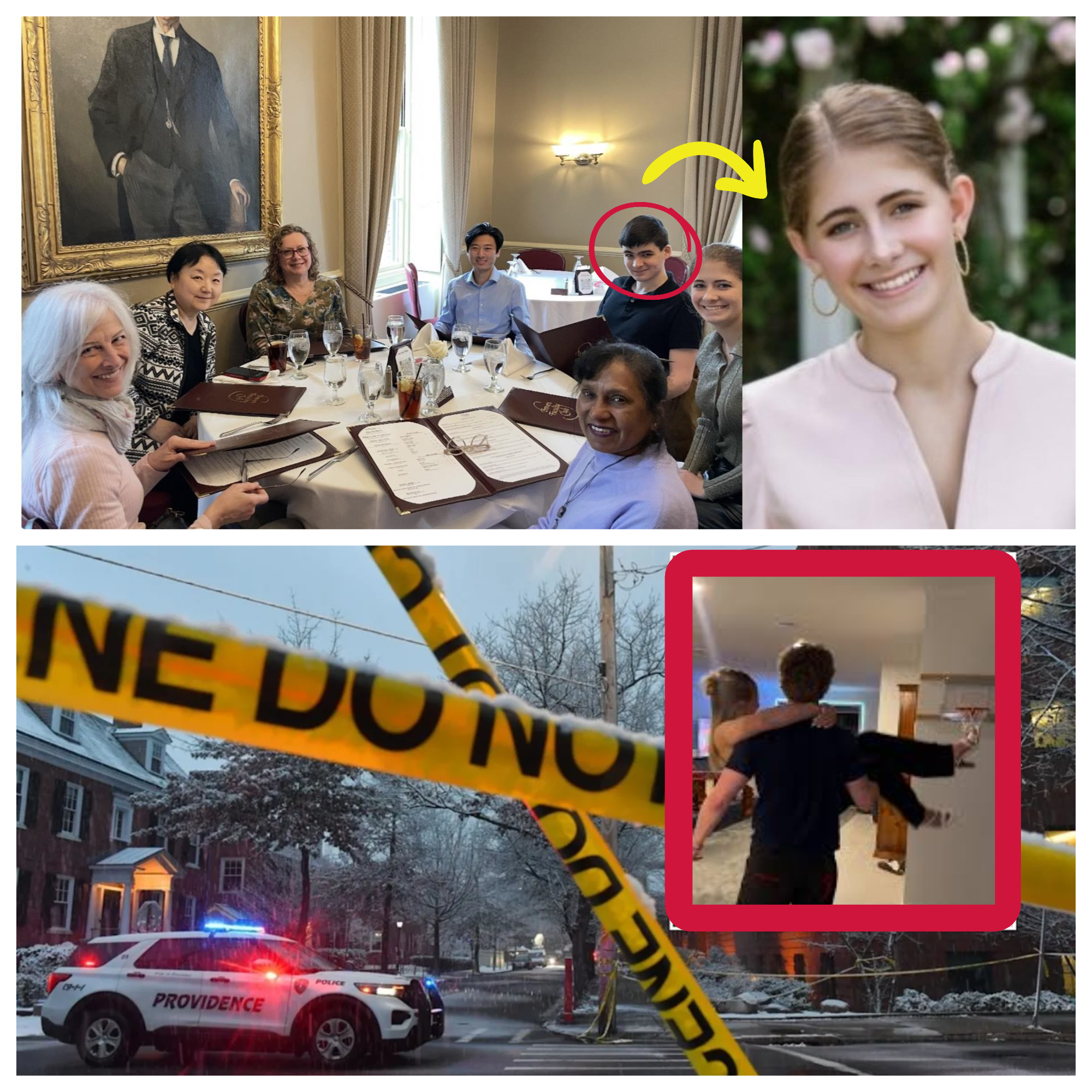
The Brown University community remains in shock following the deadly shooting on December 13, 2025, that claimed the lives of two students during finals week. In a heart-wrenching revelation, the boyfriend of victim Ella Cook has come forward for the first time, describing the harrowing ordeal that unfolded as he waited outside her exam room. His protective vigil turned into a nightmare when gunman Claudio Neves Valente burst in, unleashing chaos and forever altering lives in this Ivy League haven.
Ella Cook, a 19-year-old sophomore hailing from Mountain Brook, Alabama, was a standout student pursuing studies in French and mathematics-economics. Friends and family paint her as a vibrant soul—a gifted pianist whose fingers danced across keys, blending classical tunes with her sharp intellect. As vice president of the Brown College Republicans, she organized campus events with passion, often infusing discussions with her deep Christian values. Ella was more than a scholar; she was a protective big sister, a devoted daughter, and someone who radiated warmth in every interaction. Her untimely death has left a void, with tributes highlighting her commitment to faith, community, and academic excellence.
That evening, as Ella focused on her studies in an academic building, her boyfriend lingered nearby, intent on escorting her home safely. “I had this uneasy gut feeling all day,” he disclosed in his emotional statement. “Something didn’t sit right, so I stayed close.” His premonition proved prophetic. Peering through the door, he witnessed Valente, a 48-year-old former Brown student with a troubled past, storm the room armed and furious. Gunfire erupted in seconds, with Ella caught in the crossfire near the front. The boyfriend froze in horror as he saw the light fade from her eyes, powerless to stop the tragedy. Another student, Mukhammad Aziz Umurzokov from Virginia, was also fatally shot, escalating the panic across campus.
Valente’s rampage didn’t end at Brown. Authorities later linked him to the murder of an MIT professor, turning the incident into a multi-site spree that terrorized the Northeast. His body was discovered days later in a New Hampshire storage facility, where an autopsy revealed he had died by suicide two days prior to being found. Motives remain elusive, though investigations point to possible grievances from his time at the university. The attack has sparked intense scrutiny of campus security, leading to the Brown police chief being placed on administrative leave while policies are reviewed. Enhanced counseling and safety protocols have been implemented, but the sense of vulnerability lingers among students and faculty.
In the wake of the violence, vigils and memorials have united the community. Hundreds attended Ella’s funeral in Alabama, where mourners shared stories of her kindness, musical talent, and unwavering spirit. “She made the world brighter,” one attendee reflected. Her boyfriend’s account underscores the personal toll, admitting, “That image replays in my mind endlessly—I question if I could have changed it.” This tragedy joins a grim list of campus shootings, prompting calls for stricter measures to prevent future horrors.
As Brown heals, Ella’s legacy endures through her advocacy and the lives she inspired. The university has pledged ongoing support, but for survivors like her boyfriend, the road to recovery is long. This event serves as a poignant reminder of life’s fragility and the urgent need for vigilance in educational spaces. While the pain is raw, the outpouring of support offers a glimmer of hope amid the darkness.