Fantastic Four: The 1960s Reinvented – Marvel’s Bold Cinematic Leap – News

Fantastic Four: The 1960s Reinvented – Marvel’s Bold Cinematic Leap

The Fantastic Four is rumored to be set in the 1960s and Marvel Studios has already proven that it can excel in recreating this bygone era on screen.

Scarlet Witch from Wandavision in front of the poster for Fantastic Four

The Fantastic Four is rumored to have a 1960s setting, and the MCU can look to one of their Disney+ shows for inspiration on recreating that atmosphere. The Valentine’s Day poster for The Fantastic Four did more than announce the cast. It teased the film’s setting with an aesthetic that looks like a sitcom from the 1960s. The home features old-school furniture, the characters all have goofy smiles, and there is a robot that looks straight out of The Jetsons. The recent Human Torch poster also looks like a 1964 New York World’s Fair advertisement.

Even though Marvel hasn’t officially confirmed it, the 1960s setting seems likely. However, this isn’t the first time the MCU has recreated this period. One episode of Wandavision had a 1960s aesthetic and was brought to life brilliantly by Matt Shakman, the same director behind The Fantastic Four.

Matt Shakman Already Recreated A 1960s Aesthetic In Wandavision
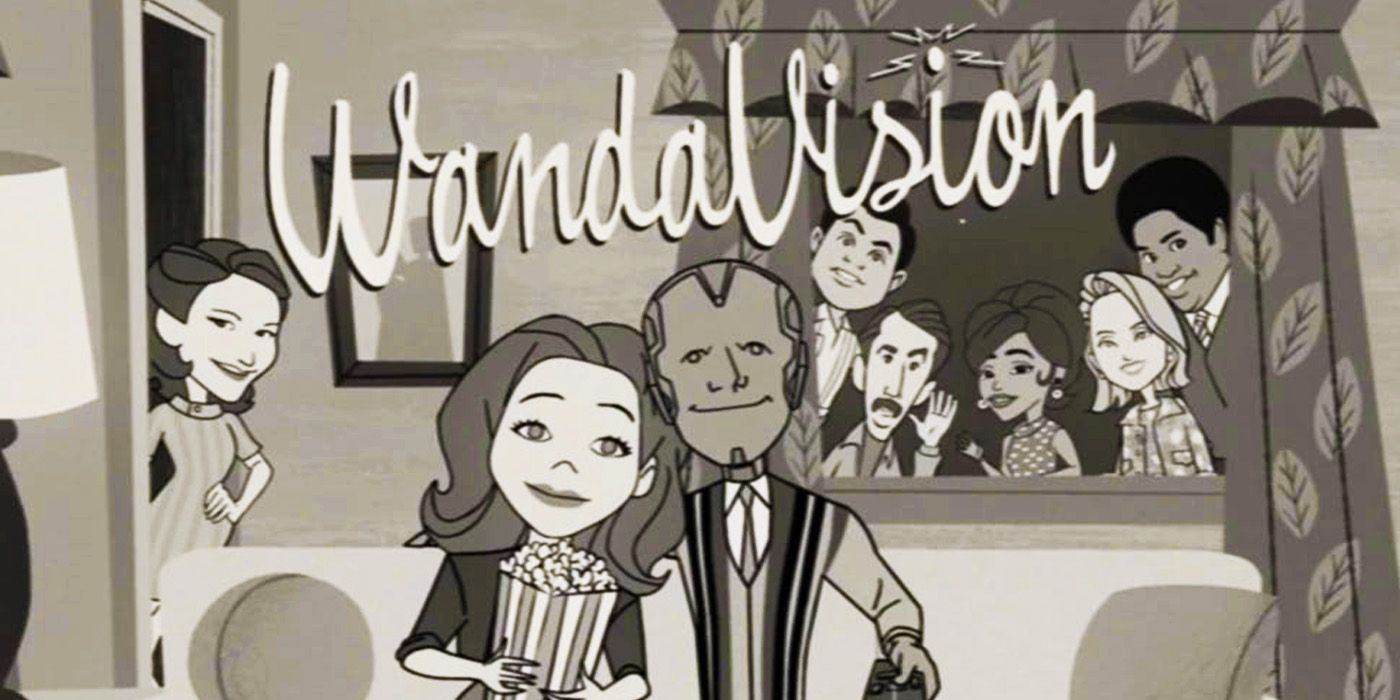
WandaVision episode 2 title card featuring the titular characters in the style of a 1960s cartoon

Shakman directed all nine episodes of Wandavision, including episode 2, which parodied 1960s sitcoms. The episode features Wanda and Vision preparing and performing a magic act at a neighborhood talent show. Throughout the episode, weird occurrences happen to Wanda, threatening to break the magical reality she has created. The actors all perform as though they are stuck in a 1960s sitcom, and they are surrounded by sets and costumes that bring that nostalgic feeling to life. It also features a well-animated intro in the style of Bewitched alongside a catchy jingle.

This episode showed that Marvel knows how to emulate that classic 1960s feeling, especially the fake sitcom atmosphere that The Fantastic Four posters emulate. Shakman is a director who can work in that environment while combining it with a superhero/ sci-fi story. Marvel has time-traveled in the past, like how Captain America: The First Avenger was set almost entirely in the early 1940s, and they’ve proven they can pull it off.

Why The Fantastic Four Is Better Off Being Set In The 1960s

The Fantastic Four team celebrating in the 1960s

The Fantastic Four will benefit from its 1960s setting as it’s a breath of fresh air for a universe needing some new energy and momentum. It can give this film a unique style and allow it to stand out more. Popular theories claim that The Fantastic Four will also be set in another universe, so that could allow Marvel to play around with its setting even more, creating a 1960s that feels strange but also familiar. Either way, Shakman should be trusted with bringing this aesthetic to life.

Tags: MCU

Related Articles

Uncategorized 1 week ago

The latest update on the disappearance of Captain Gus Sanfilippo and his crew from the fishing vessel Lily Jean paints a picture of profound, unrelenting grief as families brace for the inevitable confirmation of total loss. As of February 2, 2026, the U.S. Coast Guard has officially suspended its search-and-rescue operations after exhaustive efforts in brutal conditions yielded only one body recovered, an empty life raft, and scattered debris—no survivors, no further signs of life. The seven men and women aboard are now presumed dead, victims of the merciless North Atlantic during one of the most unforgiving winter storms in recent memory. This is a tragedy that has shaken Gloucester to its core, a town where the sea is both livelihood and legend, and where every family knows the cost of a bad day on the water. The Lily Jean, a sturdy 72-foot groundfish trawler out of America’s oldest seaport, vanished in the early hours of January 30, 2026, approximately 25 miles off Cape Ann, Massachusetts. The vessel was returning home “full of fish” after a grueling trip to the Georges Bank, one of the richest fishing grounds on Earth. Captain Gus Sanfilippo, a fifth-generation fisherman whose name evoked respect across the fleet, led a crew of six others: seasoned deckhands, a father-son team bonded by blood and salt, and a young NOAA fisheries observer whose passion for ocean conservation had just begun to bloom. The alarm came without warning—no frantic mayday over the VHF radio, no final transmission of desperation. At around 6:50 a.m. on that fateful Friday, the Coast Guard’s Boston Sector received an automated activation from the vessel’s emergency position-indicating radio beacon (EPIRB). It was the silent scream of catastrophe: the boat had sunk rapidly, likely capsized or flooded in the freezing chaos, leaving no time for voices to plead for help. Rescue forces mobilized within minutes. An MH-60 Jayhawk helicopter lifted off into whipping winds, small boats cut through 7- to 10-foot seas laced with freezing spray, and the cutter Thunder Bay joined the hunt. They scoured over 1,047 square miles in temperatures that plunged water to a lethal 12 degrees Fahrenheit (-11°C). Air temperatures hovered near zero, and hypothermia could claim a life in minutes. Amid the debris field near the beacon’s last ping, searchers found the grim remnants: floating wreckage, an unoccupied life raft drifting like a ghost, and one unresponsive body pulled from the waves. The identity of that victim has been withheld pending family notification, but it confirmed the horror that the rest of the crew had met the same fate. The Haunting Final Words: “I Quit. It’s Too Cold.” Hours before the beacon cried out, Captain Sanfilippo shared a brief, ordinary phone call with his close friend and fellow fisherman, Captain Sebastian Noto. Around 3 a.m., as the storm built, the two men—often glued together on the water—talked about the brutal conditions. Sanfilippo, a man known for his stoicism and unbreakable resolve, let slip a rare crack in his armor. “He was calm,” Noto later told reporters, his voice heavy with disbelief. But then came the words that now echo like a premonition: “I quit. It’s too cold.” It was uncharacteristic for the veteran skipper. Sanfilippo had spent decades defying the elements—towering waves, icing decks, endless days at sea. Yet in that moment, the cold had penetrated even his iron will. They spoke of the weather, the catch, the long haul home. Then the line went quiet. No one knew it would be the last human voice from the Lily Jean. Noto’s recollection has become a heartbreaking centerpiece of the story, a reminder that even the toughest among us can reach a breaking point. “We usually work together all the time. We are like glue, man,” he said, capturing the deep brotherhood that defines Gloucester’s fleet. A Captain of Legend, a Crew of Heroes Gus Sanfilippo was more than a captain; he was a living link to Gloucester’s 400-year fishing heritage. Fifth-generation, he carried the weight of tradition on his shoulders. Friends described him as generous, wise, and endlessly patient—a mentor who “taught me everything I know now about fishing,” one younger fisherman told Boston 25 News. Massachusetts State Senator Bruce Tarr, who grew up alongside Sanfilippo, called him a “good skipper” on a “good vessel” with solid technology. “How does this happen?” Tarr asked in an emotional press conference. “This was a good vessel, this was a good skipper… it makes it really hard to fathom when you lose a boat 22 miles from shore.” The crew included: Jada Samitt, 22, a recent University of Vermont graduate from Virginia serving as a NOAA fisheries observer. Her family released a statement that captured her vibrant spirit: “It is with profound sadness and shattered hearts that we share the loss of our beloved Jada. She was vibrant and compassionate with an infectious smile and spirit… brave and determined.” Samitt saw her role as essential—not just monitoring catches for sustainability, but as a full crew member contributing to the mission. “We could not be more proud of and grateful to her,” her family said. NOAA suspended observer deployments until February 4 in response to the tragedy and incoming weather. Sean Therrien, 45, a dedicated deckhand remembered for his reliability. John Paul Rousanidis, 33, described by his sister as an outdoorsman and “very generous, very happy” soul. A father and son pair (names pending full release), whose bond on the water mirrored countless Gloucester families. The remaining two identities were expected to be confirmed early in the week following the incident. These were not strangers to danger. The Lily Jean and its crew had appeared in a 2012 episode of the History Channel’s Nor’Easter Men, where viewers witnessed the raw intensity of North Atlantic fishing: multi-day trips in punishing weather, hauling nets for haddock, flounder, and lobster. The show portrayed Sanfilippo as steady and skilled, the kind of captain others trusted with their lives. The Community’s Heartbreak: Flowers, Faith, and Fury at the Sea Gloucester has mourned too many times. The Fisherman’s Memorial, etched with thousands of names since 1650, received fresh flowers, signs, and wreaths over the weekend. Community members gathered at St. Anne’s Church for an emotional Mass, seeking solace amid shared sorrow. “We are deep in sorrow, but we are a strong community and we will rise,” Senator Tarr declared. Governor Maura Healey offered heartfelt condolences: “We join with the families, the fishing community, the city of Gloucester… in mourning this day and in grieving seven brave individuals who were out there doing their job.” Local voices echoed the pain. Ashley Sullivan, a business owner who knew the vessel’s owner, urged reflection: “I hope everyone takes a step back and really looks at the sacrifices these men make on a day-to-day basis just to put food on our table. It’s very emotional and very heartbreaking.” Donations flooded in through Fishing Partnership Support Services, specifically earmarked for the Lily Jean families. NOAA’s suspension of observers underscored the ripple effects: safety first in the face of such loss. Coast Guard Sector Boston Commander Capt. Jamie Frederick called the suspension “incredibly difficult.” After 24 hours of relentless searching amid approaching nor’easter conditions, hope extinguished. “Our thoughts and prayers are with all the family members and friends of the lost crew… and with the entire Gloucester community during this heartbreaking time.” Lingering Questions in the Wake The cause remains under investigation. No collision, no explosion reported. Possible factors include rogue waves, deck icing shifting stability, sudden flooding, or a mechanical failure amplified by extreme cold. The empty life raft haunts: gear was ready, but the sea gave no chance to deploy it. This disaster reminds the world of fishing’s peril—America’s deadliest job. Winter amplifies every risk, yet these men and women venture out for the bounty that stocks tables nationwide. As families brace for formal identifications and memorials, Gloucester clings to resilience. The ocean took seven souls, but it cannot erase their legacy. Captain Gus Sanfilippo’s final, quiet admission of the cold lingers as a poignant farewell from a man who gave everything to the sea. The waves roll on, indifferent. But the memories endure—stories of grit, mentorship, and unbreakable bonds. Rest in peace to the crew of the Lily Jean. Gloucester weeps, but it will rise again.

The latest update on the disappearance of Captain Gus Sanfilippo and his crew from the…