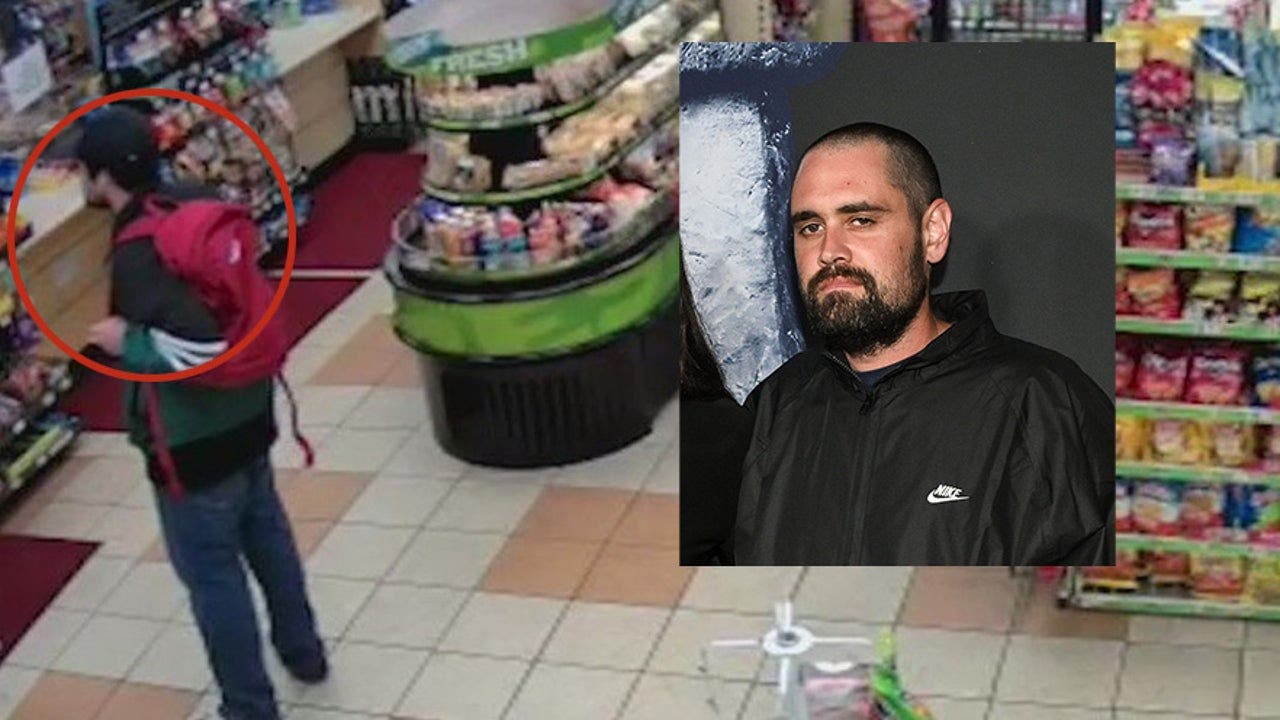
The Hollywood dream turned into a nightmare of blood and betrayal on December 14, 2025, when legendary director Rob Reiner, 78, and his wife Michele Singer Reiner, 70, were found stabbed to death in the master bedroom of their Brentwood mansion. The prime suspect? Their own son, Nick Reiner, 32, a once-homeless addict who spent his teenage years shooting heroin on the streets of Maine, New Jersey, and Texas. Arrested just hours later near USC, Nick – gaunt, fidgety, and worlds away from the fresh-faced young man who co-wrote his father’s 2015 film Being Charlie – now faces two counts of first-degree murder with special circumstances. Chilling surveillance footage and arrest photos paint a portrait of a man transformed by a decade of demons, leaving fans, friends, and the world asking: How did the Reiners’ “best friends” become victims of their own flesh and blood?
A Golden Hollywood Legacy Shattered in Blood
Rob Reiner, the Emmy-winning “Meathead” from All in the Family, director of timeless classics like This Is Spinal Tap, The Princess Bride, Stand By Me, When Harry Met Sally…, Misery, and A Few Good Men, lived a life of acclaim and activism. His wife Michele, a renowned photographer whose iconic portrait graced Donald Trump’s The Art of the Deal, met Rob on the set of When Harry Met Sally… in 1989. Their whirlwind romance – complete with Rob rewriting the film’s iconic ending for her – produced three children: Jake, 34; Nick, 32; and Romy, 28. The couple co-presided over Castle Rock Entertainment, championed Democratic causes, and appeared unbreakable.
But on that fateful Sunday, a massage therapist’s welfare check unraveled it all. Romy, alerted by the unanswered door, entered with her roommate and discovered Rob’s body. Traumatized, she fled – unaware Michele’s corpse lay nearby. Paramedics confirmed the horror: multiple stab wounds from a kitchen knife, no forced entry. LAPD’s Robbery-Homicide Division zeroed in on Nick, living in the guesthouse. He wasn’t home – but surveillance tracked him 15 miles away.
From Hollywood Royalty to the Streets: Nick’s Early Descent into Darkness
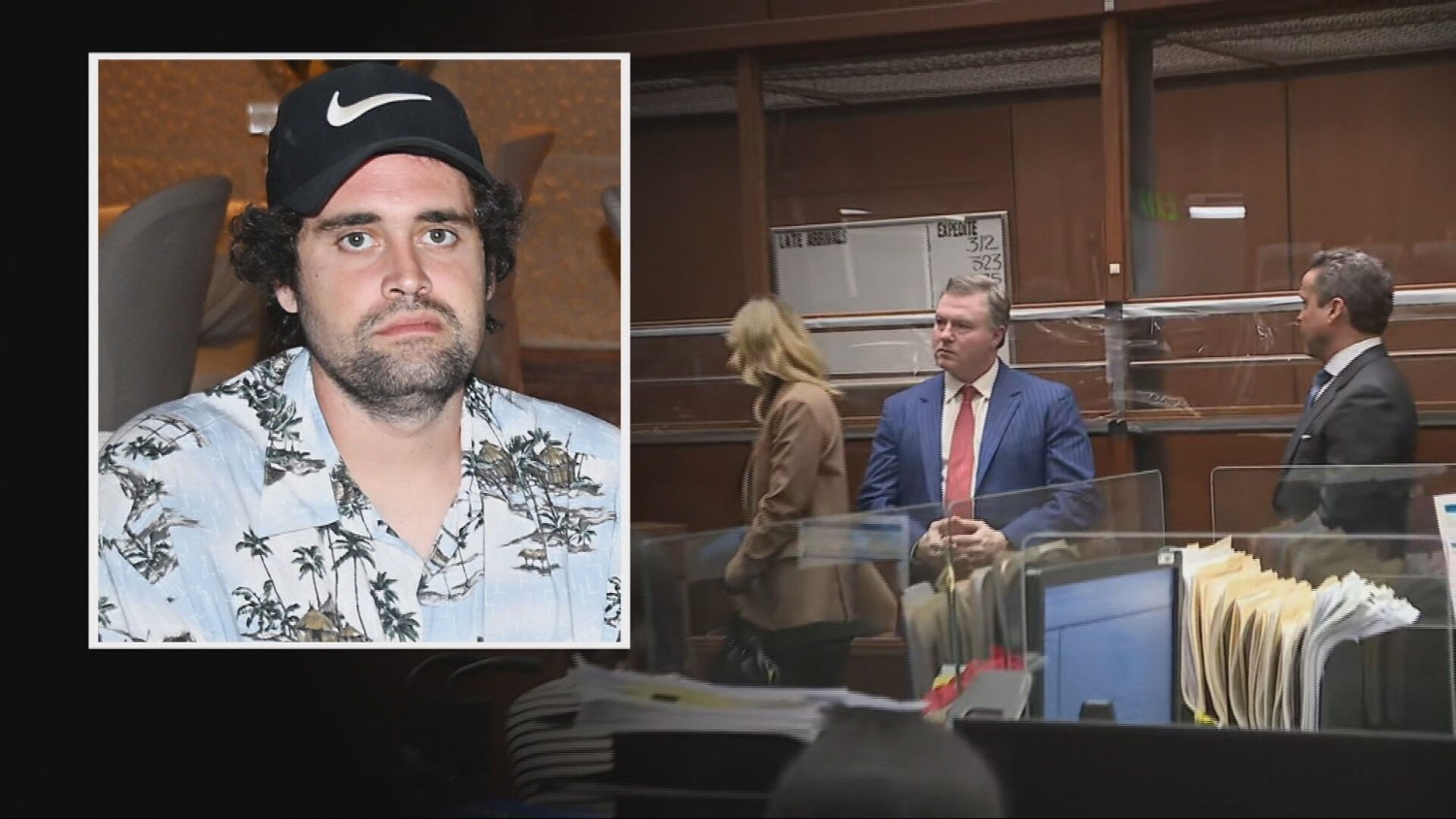
Nick Reiner was born into privilege on an unspecified date in the early 1990s (he turned 32 in 2025), the middle child of Rob and Michele Reiner, alongside siblings Jake and Romy. Rob, the Emmy-winning “Meathead” from All in the Family turned auteur behind classics like The Princess Bride, Stand by Me, and When Harry Met Sally…, met Michele, a talented photographer and producer, on the set of the latter in 1989. Their whirlwind romance not only rewrote the film’s iconic ending but built a dynasty of creativity and activism. Michele’s iconic shot graced Donald Trump’s The Art of the Deal, while the couple co-presided over Castle Rock Entertainment and championed Democratic causes.
Yet, behind the Brentwood mansion and red-carpet smiles, darkness brewed. Nick’s addiction ignited around age 15, as he later revealed in raw interviews. Heroin became his demon, pulling him into a vortex of rehab stints—by some accounts, at least 18 before age 22—and repeated relapses. In a 2016 People magazine interview resurfaced amid the tragedy, Nick described refusing further programs: “If I wanted to do it my way and not go to the programs they were suggesting, then I had to be homeless.” This defiance led to months on the streets, bouncing between shelters and sidewalks in multiple states. “I was homeless in Maine. I was homeless in New Jersey. I was homeless in Texas. I spent nights on the street,” he confessed in a 2016 AOL Build interview alongside his father.
Rob Reiner, in joint appearances promoting their semi-autobiographical film Being Charlie (2015), painted a picture of desperation. “I’d rather have you alive and hating me than dead on the streets,” Rob recalled telling his son during heated confrontations. Nick’s first rehab at 15 placed him in a room with a heroin addict, accelerating his spiral. He trashed his parents’ guesthouse in a 2017 relapse, per a 2018 Dopey podcast. Photos from this era show a gaunt, unkempt Nick—hollow cheeks, unkempt hair, eyes shadowed by despair—far removed from the polished family portraits.
The Reiners’ efforts were Herculean yet heartbreaking. Michele once lamented to friends, “We’ve tried everything. We don’t know what else to do.” Rob regretted prioritizing counselors over his son’s pleas, admitting in a 2016 LA Times interview that they believed “he’s a liar, that he was trying to manipulate us.” Nick’s estrangement peaked during these “dark years,” as he called them in a 2016 Guardian profile, where family bonds frayed amid ultimatums and cut-offs.
The Redemption Arc: Being Charlie and Apparent Sobriety
By 19, Nick hit rock bottom and chose sobriety. “I got sick of doing that,” he told People. “I come from a nice family. I’m not supposed to be out there on the streets and in homeless shelters.” This epiphany fueled Being Charlie, co-written by Nick and rehab buddy Matt Elisofon, directed by Rob. The film—a fictionalized tale of an addicted son clashing with his famous father—mirrored their pain. Premiering at TIFF 2015, it starred Nick Robinson as the troubled Charlie, with Cary Elwes as the Rob-like dad.
Promotional tours became cathartic confessions. Nick and Rob appeared on podcasts like Dopey, where Nick admitted, “A lot of people that go through addictions are kind of hard to love.” Rob called the project “the most personal thing I’ve ever done,” forging deeper understanding. By 2016, Nick claimed long-term sobriety, working on scripts and staying clean. In September 2025, Rob told NPR’s Fresh Air, “He’s in a really good place. He hasn’t been doing drugs for over six years.”
Family photos from this period show transformation: Nick at the September 2025 Spinal Tap II premiere, clean-shaven, in sharp suits, smiling beside siblings and parents. He lived in the guesthouse on the Brentwood property, a symbol of reconciliation. Yet whispers persisted—Michele worried about his mental health recently, per sources.
The Night of Horror: Argument, Stabbings, and Arrest
The idyll shattered Saturday night, December 13, at Conan O’Brien’s holiday party. Witnesses described Nick as “scruffy,” disengaged, in a “loud argument” with Rob. The couple left abruptly. Sunday morning, a massage therapist arrived, got no answer, alerted Romy. She entered with her roommate, finding Rob’s body in the master bedroom—throat slit, multiple stabs. Michele’s body was nearby, also stabbed fatally. No forced entry; the knife was from the home.
Nick wasn’t there. Surveillance captured him at an Arco gas station near Exposition Park around 8:20 p.m., buying a drink in jeans, striped jacket, baseball cap, red backpack—calm, fidgety but composed. Arrested at 9:15 p.m. without resistance by LAPD and U.S. Marshals, he was booked for murder. Photos show him handcuffed on the ground, looking worlds apart from his homeless days: fit, groomed, yet hollow-eyed.
Charged Tuesday with two first-degree murders plus special circumstances (multiple victims, deadly weapon), Nick appeared Wednesday in a suicide smock, no plea entered. Arraignment delayed to January 7, 2026; held without bail. Attorney Alan Jackson (defended Spacey, Weinstein) calls for no “rush to judgment” amid “complex issues.”
The Stark Transformation: From Streets to Suspect
Nick’s evolution shocks. 2016 interviews depict a disheveled addict—long hair, gaunt face, rumpled clothes from street life. Post-sobriety photos? Polished, professional. Arrest footage? Clean-cut, tracksuit-clad, but eerily detached. Sources speculate relapse or mental break; toxicology pending. At Conan’s party, he stood out for dishevelment, hinting unraveling.
This change fuels speculation: Did sobriety mask resentment? Years of rehab (18+), homelessness bred bitterness, despite Being Charlie‘s healing. Rob once said, “I’d rather you hate me and be alive.” Now, that hatred allegedly turned deadly.
Broader Implications: Addiction’s Toll on Families
This isn’t just celebrity scandal—it’s a stark reminder of addiction’s grip. 50 million Americans battle substance use; multiple rehabs often precede recovery. The Reiners’ story humanizes privilege’s limits. As Nick told People, “When I was out there, I could’ve died. It’s all luck.”
Tributes flood: Obama, Clintons, Pelosi mourn the Reiners’ activism. Jake and Romy’s statement pleads privacy, compassion: “They were our best friends.”
As trial looms, Nick’s transformation—from homeless teen to alleged patricide—haunts. Was it relapse? Mental illness? Unresolved rage? In Hollywood’s script, endings twist—but this real-life horror leaves us questioning: Can love survive such darkness?