SHOCKING Hollywood Bombshell: Q’orianka Kilcher Claims Her Teenage Face Was Used as Blueprint for Neytiri – Cameron Exposed? 😲
Deep within the breathtaking world of Pandora, Neytiri stands as one of Hollywood’s most beloved and enduring icons — a fierce Na’vi princess whose grace, strength, and ethereal beauty captured the hearts of millions. Yet behind her luminous yellow eyes and striking blue features lies a story now shaking the foundations of James Cameron’s legendary franchise. Q’orianka Kilcher, the talented Peruvian-American actress and Indigenous activist, has come forward with stunning allegations that Cameron directly drew from her own youthful image to shape the character’s iconic facial design.
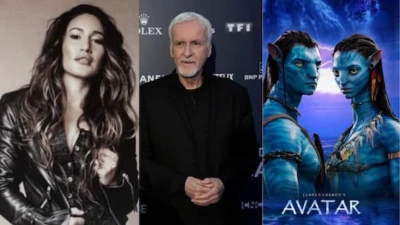
When Avatar exploded onto screens in 2009, it redefined blockbuster cinema. James Cameron’s visionary masterpiece transported audiences to a lush alien paradise, introducing the Na’vi as a proud, nature-connected people fighting for survival. At the heart of it all was Neytiri — daughter of the Omaticaya clan leader, skilled hunter, devoted mate to Jake Sully, and symbol of resistance and spiritual depth. Her design blended alien exoticism with undeniable human allure: high cheekbones, expressive eyes, full lips, and a jawline that conveyed both vulnerability and unyielding power. Zoe Saldaña’s masterful performance capture brought her to vivid life, but according to Kilcher’s recent lawsuit, the very foundation of that face originated from a 14-year-old girl.
Flash back to 2005. A young Q’orianka Kilcher, fresh from her breakout role as Pocahontas in Terrence Malick’s The New World, appeared in promotional features including a striking Los Angeles Times photograph. Her delicate yet strong features, radiant youth, and Indigenous heritage shone through. Cameron, already deep in pre-production for Avatar, reportedly spotted this image and saw the perfect facial anchor for his Na’vi heroine. Court documents claim he instructed his design team to extract and replicate key elements — lips, chin, jawline, mouth shape, and overall facial structure — turning them into the core template for Neytiri. These features were then sculpted into physical maquettes, digitized, refined through Weta Digital’s revolutionary pipeline, and ultimately immortalized on screen.
This revelation strikes at the heart of Hollywood’s creative process. For years, fans celebrated Neytiri as pure cinematic magic. Her bond with Eywa, breathtaking ikran flights across the Hallelujah Mountains, fierce battles against human invaders, and tender moments of motherhood have inspired countless admirers. Cameron himself has openly discussed drawing inspiration from real faces, even gifting Kilcher a signed Neytiri sketch later with a personal note praising her beauty. In past interviews, he pointed to the lower half of Neytiri’s face and acknowledged its roots. Many viewed this as respectful homage — the way great directors have always pulled from life to fuel their art.
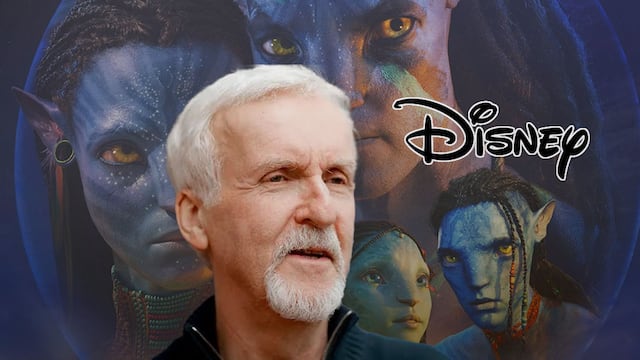
But for Kilcher, now 36 and a passionate advocate for Indigenous rights and cultural preservation, the story feels far different. She asserts there was no consent, no formal agreement, and no compensation for using the likeness of a minor in one of the highest-grossing film franchises in history. Avatar and its sequels have earned billions, with Neytiri remaining central to the saga’s emotional core. The 99-page lawsuit filed in California raises serious questions about right of publicity, misappropriation of likeness, and ethical boundaries when technology meets a child’s image. It argues this wasn’t casual inspiration but a deliberate, profitable extraction of biometric features from a vulnerable young performer.
Hollywood has long thrived on muses. Legendary stars like Audrey Hepburn, Grace Kelly, and Marilyn Monroe lent their essence to countless characters, both live-action and animated. Yet in today’s digital age, the stakes have skyrocketed. Motion capture, facial scanning, and AI-driven tools allow creators to replicate and animate human features with astonishing precision. A single photograph can become the bedrock of a billion-dollar character. This case forces the industry — and its devoted fans — to confront uncomfortable truths: Who owns a face once it enters the digital realm? How do we protect young talents whose images fuel massive commercial empires? And where does artistic inspiration end and unauthorized exploitation begin?
Kilcher’s journey adds profound layers to the controversy. Born in Germany to a Peruvian mother of Quechua-Huachipaeri descent, she emerged as a child prodigy, delivering a heartbreaking performance alongside Colin Farrell and Christian Bale at just 14. Her activism aligns strikingly with Avatar’s themes of environmental harmony, Indigenous sovereignty, and resistance to colonial exploitation. The irony burns bright: a director hailed for championing these values allegedly built his iconic Indigenous-coded heroine on the uncredited face of a real Indigenous youth.
Fans of classic Hollywood legends and modern spectacles alike feel the tension. On one side, defenders point out that character design often blends multiple references — other actresses, sculptures, and imagination. Cameron’s team poured years into perfecting the Na’vi, ensuring Neytiri felt authentic and alive. Zoe Saldaña’s dedication, the linguistic invention of Na’vi dialogue, and Weta’s groundbreaking VFX all contributed to her unforgettable presence. On the other side, critics see this as emblematic of deeper industry problems: powerful male directors wielding unchecked creative authority over young women, especially women of color, in an era where digital replicas can generate endless revenue.
The emotional impact on Kilcher herself resonates deeply with fans who cherish authenticity. Imagine learning years later that your teenage image helped birth a cultural phenomenon viewed by billions, yet you received little more than a signed print. The lawsuit seeks damages connected to the franchise’s extraordinary earnings and aims to set precedents for consent and compensation in performance capture and digital character creation. It echoes ongoing battles within SAG-AFTRA over AI, deepfakes, and digital doubles of living and deceased performers.
Neytiri’s legacy remains untarnished in the eyes of true devotees. She continues to symbolize empowerment, maternal strength, and cultural resilience across Avatar: The Way of Water and upcoming installments. Her story — from the devastating loss of her father and sister to her fierce protection of her children and planet — touches universal emotions. Cameron’s unmatched ambition turned Pandora into a living, breathing world that still feels more real than our own. This controversy does not erase that achievement; instead, it invites deeper appreciation for the human stories woven into the spectacle.
As the legal proceedings unfold, Hollywood insiders and global audiences watch closely. James Cameron, the perfectionist genius behind Titanic, Terminator, and The Abyss, now faces scrutiny over the very methods that made his visions legendary. Disney, as distributor and co-defendant, navigates yet another high-profile dispute involving intellectual property and personal rights. For fanpages dedicated to legendary Hollywood figures, this saga highlights the complex reality behind beloved icons: brilliant creativity often walks hand-in-hand with ethical challenges.
Q’orianka Kilcher’s courage in speaking out amplifies important conversations about consent, credit, and respect in modern filmmaking. It reminds every admirer of cinematic greatness that behind every pixel, every motion-captured performance, and every groundbreaking design stands real people with real rights. In the luminous forests of Pandora, Neytiri taught us to see the invisible connections binding all life. Perhaps this moment does the same — connecting the magic we love with the responsibility we must uphold.
The coming weeks and months promise more revelations, statements, and possibly transformative industry standards. Whether courts rule in favor of artistic freedom or stronger protections for likeness rights, one truth stands clear: the faces that enchant us on screen carry profound human weight. For fans who have followed Cameron’s epics and celebrated stars like Kilcher, this story enriches rather than diminishes the wonder. It adds another compelling chapter to Hollywood’s eternal narrative — where dreams are built, sometimes at a cost, and where voices once silent now demand to be heard.
Neytiri’s spirit — fierce, graceful, and deeply connected — endures. So too does the passion of those who cherish these legendary characters and the talented souls who help bring them into existence. In the grand tradition of Hollywood storytelling, this latest twist proves that truth can be just as dramatic, thought-provoking, and unforgettable as the silver screen itself.