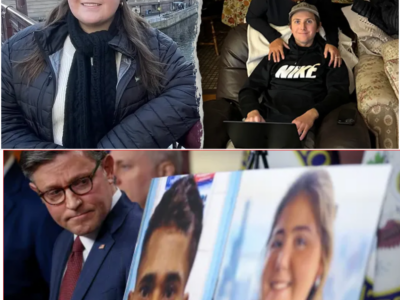
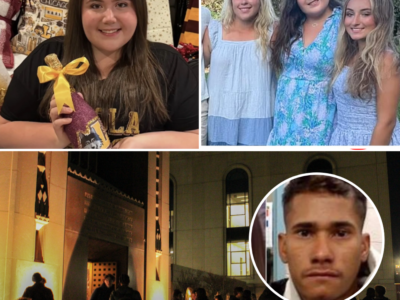
The parents of Sheridan Gorman sat in their Yorktown Heights living room on March 26, 2026, surrounded by photographs of their daughter smiling in her Loyola University hoodie, and released a statement that cut through the political noise like a knife. “Our daughter is not a policy debate,” they wrote. “She is a life that was taken, and that demands accountability.” Five days after an 18-year-old freshman was gunned down on a Chicago pier while looking for Northern Lights with friends, the Gorman family refused to let her death dissolve into another talking point on immigration, sanctuary cities, or national failures. Their words, raw and unapologetic, landed like a challenge to Illinois Governor JB Pritzker and Chicago Mayor Brandon Johnson, who had finally spoken publicly about the killing of their child.
Sheridan Grace Gorman had been everything a parent dreams of raising: bright, kind, full of plans. A business major at Loyola University Chicago, she had arrived on campus in August 2025 eager to explore the city, make new friends, and chase the kind of late-night adventures that feel magical when you are eighteen. On the night of March 19 into March 20, she texted her small circle around 12:45 a.m. inviting them to the Tobey Prinz Beach pier, less than a mile from her dorm. The forecast hinted at faint aurora activity over Lake Michigan. She wanted skyline photos and maybe a glimpse of dancing green lights against the water. It was the kind of spontaneous outing college students live for—harmless, exciting, ordinary.

What unfolded instead became a nightmare that no family should ever endure. Sheridan and three friends walked single file along the narrow pier. She was in front, phone ready, when she spotted a figure in black clothing and a mask hiding behind the lighthouse. “There’s a man hiding behind the lighthouse,” she warned, voice urgent but clear. The group turned to run. According to the friends’ detailed accounts to police, the masked man stepped out and shouted, “Get the hell out of here!” before firing a single shot. The bullet struck Sheridan in the upper back, exited through her neck, and she collapsed on the wooden planks. Paramedics pronounced her dead at the scene at 1:47 a.m. Jose Medina, 25, a Venezuelan national who entered the United States illegally in 2023, now faces first-degree murder charges. His only prior record was a misdemeanor shoplifting arrest from that same year; he missed court and remained free.
The Gorman family could have stayed silent amid the storm of headlines. Instead, they chose to speak with precision and pain. Their statement directly addressed Governor Pritzker’s remarks earlier that day. Pritzker had conceded “real failures” but framed them as national shortcomings in immigration reform and federal enforcement, pointing fingers at Washington rather than policies in his own state. The family’s response was measured yet devastating: “We acknowledge Governor Pritzker’s recent comments regarding Sheridan’s murder and his statement that there were ‘real failures.’ We appreciate that he has now, five days after our daughter’s murder, finally spoken publicly about Sheridan. But Sheridan’s death cannot be reduced to a general ‘tragedy,’ nor can it be explained away by broad references to failures somewhere else. Sheridan was a daughter, a sister, and a young woman whose life was taken in a way that should never have been possible. This was not abstract. It was preventable.”
They continued with a clarity that silenced deflection: “We are not interested in political arguments or in watching responsibility shift from one place to another. If there were failures—as the Governor himself has acknowledged—then every one of them must be identified, examined, and addressed directly. The location of those failures matters less than the willingness to confront them honestly. Our daughter is not a policy debate. She is a life that was taken, and that demands accountability. Calling this a tragedy is not enough. There must be a full and transparent accounting of what went wrong.”
The family’s message to Mayor Brandon Johnson was equally pointed. Johnson had issued condolences and praised the Chicago Police Department for the swift arrest, describing the killing as a “senseless tragedy.” The Gormans pushed back hard: “We acknowledge Mayor Johnson’s statement five days after our daughter Sheridan’s murder and his condolences to our family, as well as his recognition of the work of the Chicago Police Department. But what happened to Sheridan cannot be reduced to a ‘senseless tragedy,’ nor can it be explained in general terms about public safety. Sheridan was our daughter. She was 18 years old. She was doing something entirely normal—walking near her campus with friends. She should be here. This was not random. It was not inevitable. And it cannot be treated as though it were.”
They drew a line between solving the crime after the fact and preventing it in the first place: “We appreciate the efforts of law enforcement in making an arrest. But safety is not defined by how quickly a case is solved after the fact. It is defined by whether a young woman like Sheridan is protected in the first place. Our daughter was not in the wrong place at the wrong time. The system failed her. Calling this ‘senseless’ is not enough. There must be a clear and honest accounting of what went wrong. We are not interested in rhetoric. We are asking for accountability.”
These statements did more than reject political spin. They humanized a young woman whose face now appears in vigils across the country. Sheridan had been a high-school bowling standout, a volunteer with her church youth group, and the kind of roommate who baked cookies for the entire dorm floor during finals week. Friends remember her as the one who organized spontaneous study breaks and always checked in on anyone feeling homesick. Her little brother back in New York still waits for the Easter visit she had promised, complete with a rematch at the bowling alley. The family’s grief is not abstract; it is the empty chair at the dinner table, the unopened acceptance letter to a summer internship she had been excited about, the prom photos now framed beside a casket.
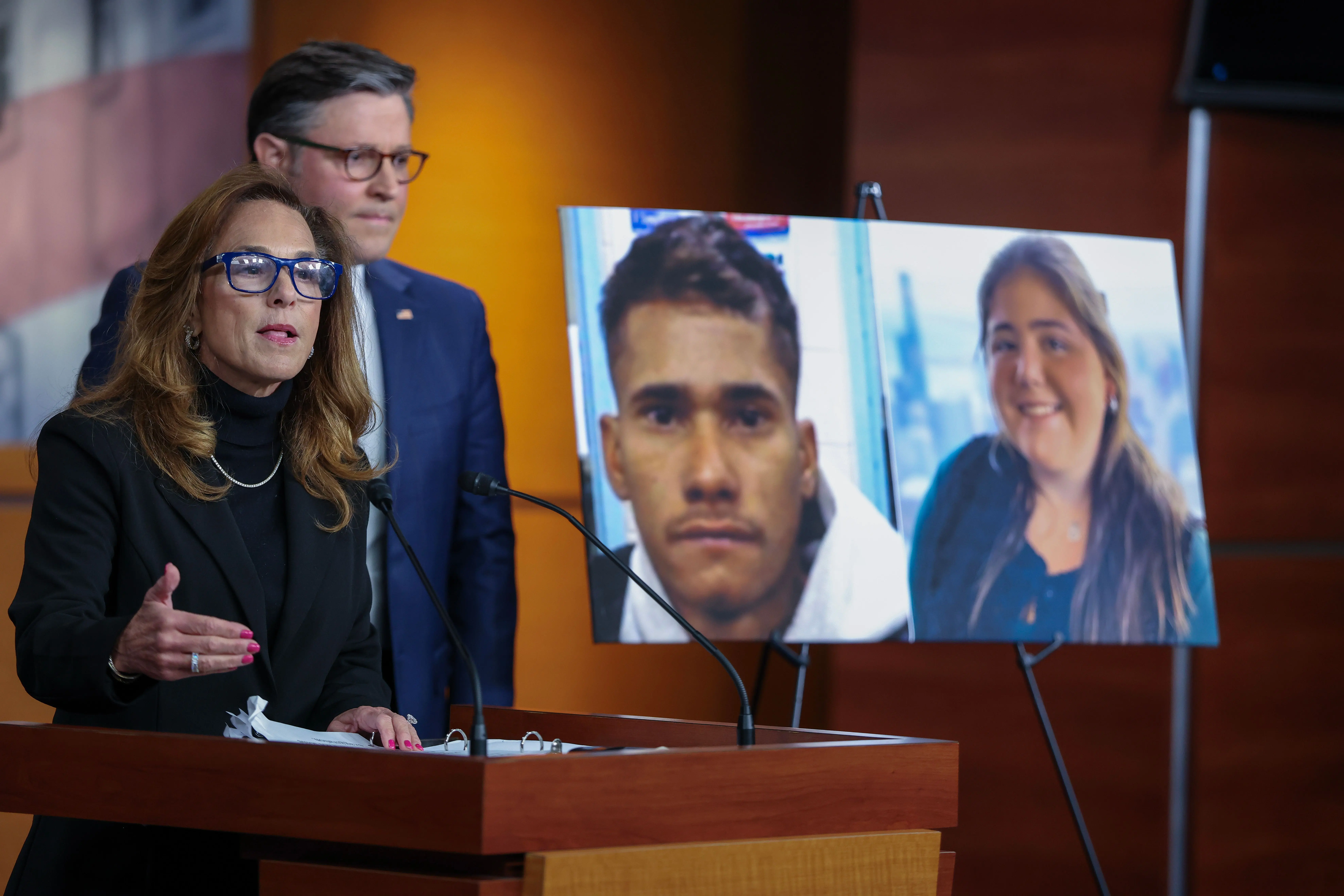
Yet the Gormans refused to let sorrow paralyze them. In the same statement they extended gratitude to the Yorktown Police Department and multiple law enforcement agencies that escorted Sheridan’s body home the previous day. “The Gorman family extends its deepest gratitude to the Yorktown Police Department and the many law enforcement agencies who escorted Sheridan home yesterday,” they wrote. “What could have been an unbearable journey was carried out with dignity, honor, and profound respect. We are deeply thankful for the care shown to our daughter and to our family in that moment. This escort was just one example of the extraordinary support we have received from law enforcement, local officials, and the community at large. Your compassion has helped carry us through the most difficult days of our lives. We will never forget how you brought our daughter home.”
The contrast is striking. While national media and politicians debate sanctuary policies and border security, Sheridan’s parents insist their daughter’s story belongs first to her family, her friends, and the community that loved her. They are not calling for vengeance or grand political overhaul in their name. They are demanding something simpler and more urgent: a full, transparent accounting. They want every layer of the system that allowed an undocumented individual with a pending warrant to remain on the streets of Chicago to be examined without excuses. They want leaders who will sit down and confront the hard truths rather than issue statements that feel rehearsed and distant.
Public reaction has been swift and emotional. On social media, thousands have shared Sheridan’s senior-year photo alongside the family’s words, many echoing the call for accountability. Candlelight vigils at Loyola University and in Yorktown Heights have drawn hundreds, with students holding signs that read “Sheridan deserved better” and “Protect our daughters.” Conservative voices have amplified the family’s statement as evidence that sanctuary policies have real human costs, while others warn against politicizing tragedy. The Gormans anticipated this. Their statement explicitly rejects having Sheridan’s name “used in political arguments” but insists her loss must lead to “real answers and real change.” They stand ready, they say, to engage with any public official—Governor, Mayor, or otherwise—who approaches the case with seriousness, transparency, and commitment.
The timeline of official responses only sharpens the family’s frustration. The shooting occurred in the early hours of March 20. Medina was arrested two days later. Yet it took until March 25 for both the Governor and the Mayor to issue public comments. Five days of silence from the state’s highest leaders, followed by statements that the family viewed as too vague, too generalized, too willing to shift blame elsewhere. Sheridan’s parents refuse to accept that delay or that framing. Their daughter walked a public pier near a major university campus in one of America’s largest cities. She was not hiking in a remote wilderness or wandering a high-crime alley at 3 a.m. She was doing what thousands of college students do every weekend—seeking a moment of beauty with friends.
Behind the statements lies a deeper anguish that no press release can fully capture. Sheridan’s mother has not slept more than two hours at a time since receiving the phone call. Her father keeps replaying the last text she sent the family group chat: a selfie from orientation week with the caption “Living my best college life ❤️.” The little brother she adored now asks every night why the “bad man” was allowed to be there. Extended family members have flown in from across the country, turning the Gorman home into a hub of shared tears and quiet resolve. Neighbors drop off casseroles and flowers, but the family’s focus remains laser-sharp on the questions that matter: How did this happen? What exactly went wrong in the chain of decisions that left Medina free to stand behind that lighthouse? And what concrete steps will prevent the next Sheridan?
Legal experts following the case note that Medina’s prior shoplifting charge, while minor, triggered an immigration detainer that was never enforced because of Illinois’ sanctuary policies. Whether that policy directly enabled the tragedy remains a point of fierce debate, but the Gormans refuse to let the discussion remain theoretical. They want names, dates, and specific failures documented. They want the public to see the paperwork that allowed a man with an active warrant to walk free in Chicago. They want assurance that city and state leaders will not hide behind federal inaction or national politics.
As the investigation proceeds, Medina remains in custody, reportedly receiving treatment for tuberculosis while missing his first court appearance. Prosecutors have filed additional charges of attempted murder and aggravated discharge of a firearm. Yet for the Gorman family, justice is not only about conviction. It is about ensuring no other parent receives that midnight knock on the door. Their willingness to engage with officials signals openness, but their tone makes clear that empty words will not suffice. “We stand ready to engage with any public official… who is committed to ensuring that what happened to Sheridan does not happen again to another family.”
In the quiet moments between statements and vigils, the family clings to memories that keep Sheridan alive in their hearts. The way she organized charity bowling tournaments in high school. The handwritten notes she left in her friends’ dorm mailboxes just because. The dreams she scribbled in a notebook found in her backpack after the shooting—ideas for a future startup, travel plans, and a promise to teach her little brother how to drive when she came home for summer break. Those dreams ended on a cold pier, but the family’s determination to honor her has only begun.
The murder of Sheridan Gorman has forced Chicago and Illinois to confront uncomfortable realities about public safety, immigration enforcement, and political accountability. Yet at its core, the story remains profoundly personal. A young woman stepped out for a nighttime walk with friends. She spotted danger and tried to protect others. One man made a choice that ended her life. And now her parents, in the midst of unimaginable grief, have drawn a line in the sand: their daughter will not be reduced to a sound bite or a partisan weapon. She was Sheridan. She mattered. And her loss demands more than condolences—it demands truth, transparency, and the kind of change that ensures no other family has to write the same statement ever again.
The Gormans have made their position crystal clear. They will not allow Sheridan’s name to become another footnote in a larger debate. They will insist, quietly but relentlessly, that her death leads to real answers. In doing so, they have given voice to every parent who has ever feared for a child living away from home. They have reminded politicians that behind every statistic is a face, a laugh, a future stolen. And they have challenged an entire city and state to look beyond rhetoric and ask the only question that truly matters now: What are we going to do differently so that Sheridan Gorman is the last young woman to die this way on a pier that should have been safe?
News
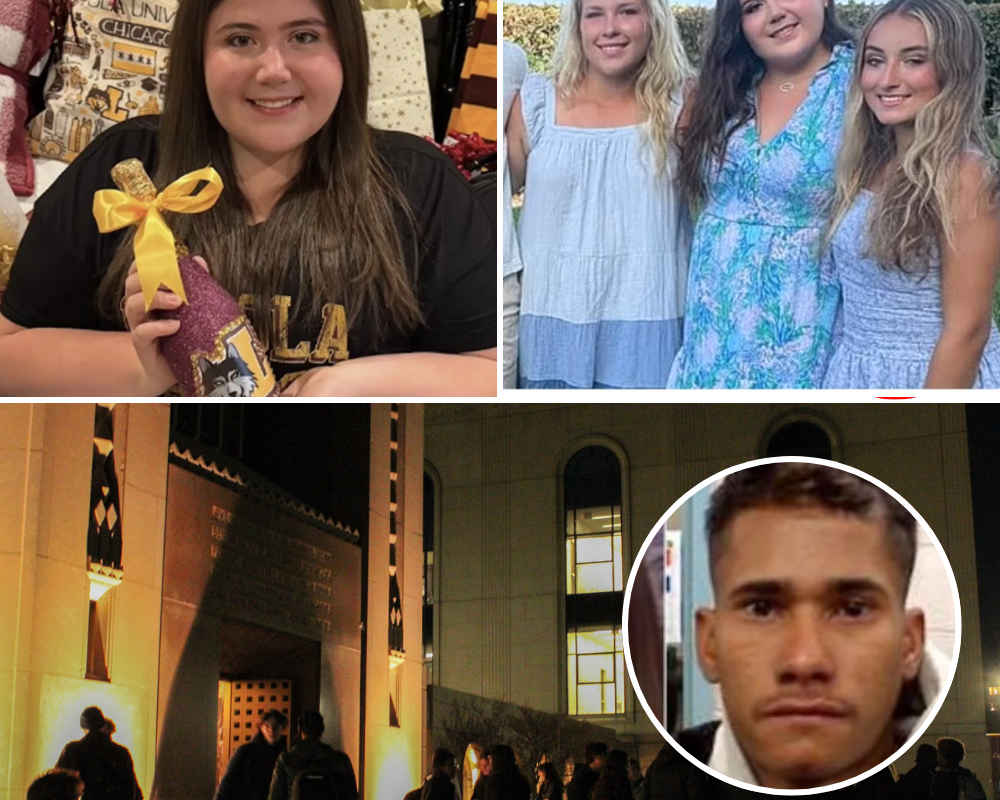
🌙 At around 1 a.m., Sheridan Gorman, 18, and her friends went to the pier near Tobey Prinz Beach hoping to see the Northern Lights. She suddenly warned them about a masked man — then a single shot was fired 💔
The night began with laughter and the kind of easy excitement only college freshmen can share. Sheridan Gorman, 18, fresh-faced and full of that unbreakable New York energy, had texted…
💖 Keanu Reeves Quietly Gives Away His Whole Big 2026 Bonus to Help Kids Fighting Cancer – “This Isn’t About Headlines” 😢
Keanu Reeves has once again proven that his greatest performances happen far away from any camera. Following the successful wrap of a major 2026 film project, the actor made a…
😲 Keanu Left His Chair Mid-Interview and Walked Straight to a Sick Little Girl… The Moment That Made the Whole Arena Hold Its Breath
The arena in Los Angeles pulsed with electric anticipation on the evening of March 19, 2026. Nearly 18,000 fans filled the seats for what was billed as a special fan…
😢 “Gone Too Soon” – Parents Watched Helplessly While Paramedics Tried Everything… The Tragic Story of Best Mates William & Adrian Killed on Illegal Trail Bike Ride
The screech of brakes and the sickening crunch of metal shattering the quiet of a Sydney autumn evening still echoes through Bossley Park. Around 7:15pm on Monday, March 23, 2026,…
🚨 Heartbreaking Tragedy: Three Best Friends Killed In Horrific Car Crash While A Fourth Friend Fights For His Life In Intensive Care 😭💔
A devastating road crash in West Yorkshire has left a close-knit group of four young friends shattered beyond repair, with three of them tragically killed at the scene and their…
💥 Alan Ritchson Goes Full Reacher Mode In Real Life – Neighbor Steps In Front Of His Bike, Gets Beaten Down Hard, Now The Neighbor Finally Speaks Out 🔥
Ronnie Taylor, the 56-year-old KPMG executive at the center of the explosive street brawl with Reacher star Alan Ritchson, has finally broken his silence after Brentwood police officially cleared the…
End of content
No more pages to load