David Ramirez, a 45-year-old handyman and father of two from Rohnert Park, vanished without warning on July 25, 2025. What followed was one of the most emotionally charged missing-person cases Sonoma County had seen in years—a story that pulled neighbors, strangers, online sleuths, and seasoned investigators into a single, desperate search for answers.
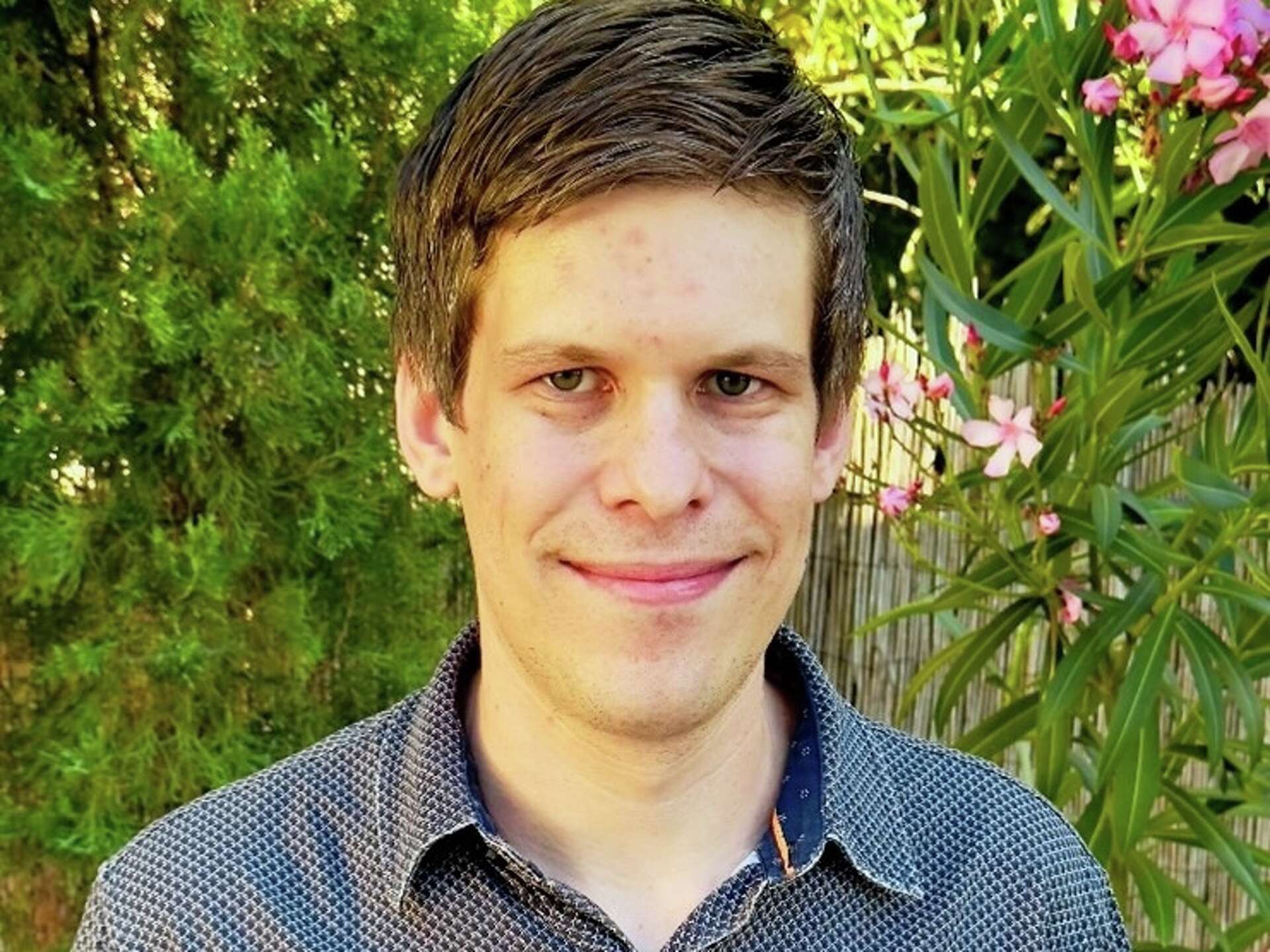
Residents still talk about the flyers that appeared overnight. They were taped to every lamppost along Rohnert Park Expressway, pinned inside coffee shops on Redwood Drive, and shared thousands of times on local Facebook groups. The photograph showed a man with short, salt-and-pepper hair, a gentle half-smile, and eyes that looked directly into the camera. Beneath the image ran the same line in bold print: “MISSING – David Ramirez – Last seen July 25 – Please help bring him home.”
A Routine Evening That Went Silent
David left his modest single-story house shortly after 5:30 p.m. He told his ex-wife, Maria Gonzalez, that he was heading to pick up their 16-year-old son from a friend’s place in Cotati, roughly ten minutes away. He wore faded jeans, an Oakland Athletics T-shirt, and the same work boots he used on every job site. His blue Ford F-150 pickup rolled out of the driveway and turned north toward Highway 101. That was the last confirmed sighting captured on a neighbor’s Ring camera.
By 8 p.m. Maria’s calls went unanswered. The phone rang straight to voicemail; texts sat unread. When David still had not arrived an hour later, she drove the route herself, scanning every parking lot and side street. Nothing. At 10:17 p.m. she walked into the Rohnert Park Police Department lobby and filed the report that would soon dominate local headlines.
Police moved quickly. Officers knocked on doors along David’s street and reviewed footage from the Chevron station at the corner of Rohnert Park Expressway and Snyder Lane. The grainy video showed the truck pulling out at 5:41 p.m., headlights cutting through early dusk. After that single frame, the trail went cold. No additional pings on traffic cameras. No credit-card activity. No ATM withdrawals. The digital footprint simply stopped.
The Community Mobilizes
Within 36 hours the response became extraordinary. Members of the Sonoma County Search and Rescue team joined Rohnert Park officers and sheriff’s deputies. Volunteers from faith groups, the local Rotary Club, and even Sonoma State University students fanned out across the Laguna de Santa Rosa wetlands, the open fields near Cotati, and the gravel roads that wind toward Sebastopol. Drones buzzed overhead while cadaver dogs worked the brush along creeks and drainage ditches.
Social-media groups exploded. The official “Find David Ramirez” Facebook page gained more than 4,800 members in four days. Strangers posted aerial photos they had taken with personal drones, circled potential search zones on Google Maps, and debated whether the disappearance matched patterns seen in other California cases. Some users pointed to the high number of vehicle-related suicides along Highway 101 corridors; others insisted foul play could not be ruled out because no note, no body, and no truck had surfaced.

Reward posters offered $5,000 for information leading to David’s safe return. Local restaurants collected donations at the register. A GoFundMe campaign, started by Maria’s sister, raised nearly $38,000 to cover private investigators, additional drone time, and travel costs for extended-family members flying in from Southern California.
Behind the Public Face
As the search stretched into its second week, investigators quietly built a more private portrait of the missing man. David had been a reliable contractor for more than fifteen years—decks, fences, kitchen remodels, drywall patches. Clients described him as punctual, fair, and quick with a joke. Yet several people who knew him well told detectives a different story had been unfolding since early 2025.
Financial strain had tightened its grip. Construction slowed after interest rates climbed; homeowners postponed projects. David’s invoices went unpaid for longer stretches. He confided to one longtime client that he sometimes worked jobs just to cover materials, hoping the next paycheck would catch him up. Credit-card statements showed mounting balances. A second mortgage on the house was in forbearance.
Mental-health struggles compounded the pressure. David had seen a therapist intermittently since the 2020 divorce. He filled antidepressant prescriptions at a Walgreens in Santa Rosa, though pharmacy records indicated gaps of several weeks between refills. Friends recalled conversations in which he spoke—half-jokingly, half-seriously—about “driving until the road ends” or “needing to disappear for a while so everyone could breathe.”
A small spiral notebook recovered from the garage workbench contained dated entries that read like fragments of thought:
July 12: “Kids deserve better than this mess. Can’t keep pretending.”
July 19: “What if I just keep going north? No one would have to watch.”
July 23: “Tomorrow I fix the fence on Snyder. After that… maybe nothing.”
The pages stopped two days before he drove away.
False Hope and Painful Leads
Every tip line buzzed. A motorist reported seeing a blue Ford matching the description parked near Armstrong Redwoods; deputies arrived to find an abandoned work van belonging to a different contractor. Hikers in Annadel State Park photographed tire tracks that looked “suspicious”; rain had washed away any chance of matching tread patterns. A man resembling David was detained briefly at a rest stop outside Ukiah—same build, same hair color—until he produced identification and an airtight alibi.
The emotional weight pressed hardest on the family. David’s daughter, 18 and preparing for her first semester at a community college, stopped posting on Instagram and rarely left her room. His son refused to return to the friend’s house in Cotati, saying the drive felt like “crossing the same spot where everything broke.”
Maria spoke to reporters only once, on August 5. She stood in the driveway, arms crossed tightly, voice steady but thin. “He loved being a dad. He loved fixing things. If he’s hurting somewhere, I just want him to know we’re still here. Come home, David. Please.”
The Final Chapter
On the morning of August 14 a solo hiker following an unmarked fire road in the southeast corner of Annadel State Park noticed fresh tire tracks cutting through tall grass. He followed them cautiously until he saw the blue Ford F-150 nosed against a stand of manzanita. The driver’s door stood ajar. The hiker backed away, called 911, and waited at the trailhead until deputies arrived.
Inside the truck everything appeared orderly: wallet on the passenger seat, phone (battery dead) in the center console, a half-empty water bottle in the cup holder. A .38-caliber revolver registered to David lay on the floorboard beneath the driver’s seat. Spent casing on the floor mat. One round fired.
Search teams located the body approximately 80 yards downslope in a narrow ravine. David was found seated against a fallen oak, still wearing the Athletics shirt and jeans from July 25. The medical examiner ruled the death a suicide by gunshot wound to the head. Time of death was estimated between late July 25 and early July 26—within hours of when he left home.
No suicide note was recovered at the scene or in the truck. Investigators believe David chose the remote location deliberately, far from trails commonly used by weekend walkers. The truck had been driven along increasingly narrow dirt roads until pavement gave way to firebreaks. From there he walked the final distance carrying only the revolver.
Aftermath in Rohnert Park
News of the discovery spread through group chats and Nextdoor alerts within an hour. The Facebook page that once begged for sightings shifted to candlelight-vigil announcements and fundraisers for grief counseling. A memorial service took place on August 22 at a non-denominational chapel in Cotati; more than 300 people attended, many of them clients who had known David only through patched drywall and newly stained decks.
The Rohnert Park City Council observed a moment of silence at its next meeting. A small plaque now stands near the entrance to the Laguna de Santa Rosa trail system—simple bronze, engraved with David’s name, the dates 1980–2025, and the words “Beloved father, friend, neighbor.”
Maria and the children asked for privacy after the service. They released a single statement through the police department: “We are heartbroken, but we are grateful for every person who searched, shared, prayed, and cared. David fought battles most people never saw. We hope his story reminds others that it’s okay to reach out before the pain becomes too heavy to carry alone.”
Sonoma County’s suicide-prevention hotline received a measurable uptick in calls during the weeks that followed. Therapists at local clinics reported new clients mentioning David’s name during intake sessions. In quiet conversations at grocery stores and soccer fields, people began asking one another the question no one had asked aloud before July: “How are you really doing?”
David Ramirez’s disappearance lasted twenty days. His story, however, continues in the small, everyday acts of kindness that have taken root since he left—neighbors checking on neighbors, friends listening a little longer, fathers hugging their teenagers a little tighter. In a place where life usually moves at the gentle pace of vineyard rows and commuter traffic, one man’s silent exit forced an entire community to confront the things we too often leave unsaid.