Noah Donohoe Inquest Revelation: Man Found with Teen’s Backpack Days After Disappearance Cleared of Any Direct Involvement – A Heart-Wrenching Puzzle Persists in Belfast

In the shadow of Belfast’s bustling streets, where everyday life masks untold stories of loss and mystery, the inquest into the death of 14-year-old Noah Donohoe has unveiled yet another layer of intrigue. On a crisp February day in 2026, the courtroom echoed with testimony that a man discovered in possession of Noah’s backpack—containing his laptop and cherished books—had absolutely no interaction with the teenager on the fateful day he vanished. Daryl Paul, the individual at the center of this revelation, stood as a figure of opportunistic theft rather than foul play, according to the proceedings. This development, while providing some clarity, only deepens the enigma surrounding Noah’s bizarre final journey: a boy who stripped naked, discarded his belongings, and met his end in a storm drain. As families, investigators, and a gripped public dissect the details, questions linger—what drove this promising young life to such a tragic conclusion? Dive into the harrowing tale that has captivated Northern Ireland and beyond, where every piece of evidence paints a picture of solitude in a crowded city.
Noah Donohoe’s story begins not with tragedy, but with the vibrancy of youth. Born in 2006, Noah was a student at St Malachy’s College in Belfast, known for his intelligence, curiosity, and close bond with his mother, Fiona Donohoe. Described by friends and family as thoughtful and introspective, Noah had a passion for reading and self-improvement. On June 21, 2020—a Sunday that started like any other—the teenager set out from his home off the Ormeau Road in south Belfast around 5:40 p.m. His destination: to meet two friends in the Cavehill area for a casual hangout. Armed with his black Apollo bicycle, a backpack slung over his shoulders containing his laptop, a book titled “12 Rules for Life” by Jordan Peterson (a tome he was “obsessed” with, as his mother later told police), and his mobile phone, Noah pedaled into what would become one of the most baffling disappearances in recent Irish history.

CCTV footage, painstakingly reviewed during the inquest, captures Noah’s early movements. He cycles through familiar neighborhoods, appearing composed at first. But as he progresses northward, anomalies emerge. Around University Street in the Queen’s Quarter, footage shows Noah passing by Daryl Paul, who was standing on the sidewalk. Paul’s barrister emphasized during the February 24, 2026, hearing: “There was no physical interaction between his client and Noah when the schoolboy cycled past.” This moment, frozen in grainy video, has been scrutinized for any hint of contact, but experts and legal representatives agree—none occurred. Noah continued on, oblivious to the man who would later become entangled in his story.
As Noah’s path veered into north Belfast, his behavior turned erratic. Witnesses reported seeing a young boy cycling without clothes, a detail that sent shockwaves through the community. One anonymous caller to police described Noah as “behaving strangely” before he even left home, a point raised in the inquest’s fifth week. Fiona Donohoe, in a heart-wrenching phone call to authorities shortly after her son’s departure, expressed concern: “His moods have been so out of character.” She noted his fixation on Peterson’s book, suggesting it might reflect deeper introspection or turmoil. Yet, no one could foresee the unfolding horror.
Noah discarded his possessions piecemeal. His phone was left behind, his clothes strewn along the route—including his trainers, which were found separately. By the time he reached Northwood Road, the last confirmed sighting, Noah was naked and alone. What compelled this? Theories abound: a sudden onset of head injury from a possible fall (he was seen falling from his bike earlier), hypothermia-induced paradoxical undressing, or an undiagnosed mental health episode. The inquest, presided over by coroner Joe McCrisken at Laganside Courthouse, has methodically unpacked these possibilities, drawing on expert testimonies to piece together the puzzle.
Six agonizing days later, on June 27, 2020, Noah’s naked body was discovered in a storm drain tunnel near Shore Road in north Belfast. The location—a dark, labyrinthine network of pipes designed to channel rainwater—raised immediate questions. How did a boy unfamiliar with the area end up there? Search teams, including community volunteers led by figures like Alison Morris, scoured the city. One volunteer recounted in the inquest feeling like they were “grasping at straws,” highlighting the challenges of urban searches. A postmortem examination by Dr. Marjorie Turner confirmed drowning as the cause of death, with no evidence of assault or third-party involvement. Dr. Nathaniel Cary, a renowned forensic pathologist, described the case as “one of the most extraordinary” in his career, noting Noah likely entered the water alive and died closer to his disappearance time.

Enter Daryl Paul, the 42-year-old from Cliftonville Avenue whose name surfaced amid the chaos. Paul, who pleaded guilty in 2021 to stealing Noah’s rucksack, became a focal point early on. Police received an anonymous tip-off during the search period, alerting them that Paul possessed the backpack. This call, detailed in the inquest, prompted swift action. Officers raided Paul’s home, recovering the bag with its contents intact—laptop, books, and all. Paul admitted to finding the rucksack opportunistically, likely discarded by Noah during his disoriented journey. His barrister, during the February hearing, stated unequivocally: “There is categorical acceptance that Mr. Paul would not have interacted with Noah during his journey from south to north Belfast.”
This assertion quells rampant speculation. Social media had buzzed with conspiracy theories, some suggesting Paul played a sinister role. Fiona Donohoe’s legal team, represented by barristers like Brenda Campbell, probed deeply. They highlighted CCTV placing Paul on Botanic Avenue shortly after Noah’s last sighting, making any north Belfast encounter impossible. “Until he could be ruled out of having any interaction with Noah Donohoe,” Campbell pressed, ensuring the timeline’s integrity. Paul’s conviction for theft was minor—a community order—but the inquest’s clearance of direct involvement shifts focus elsewhere.
The Police Service of Northern Ireland (PSNI) has faced intense scrutiny. Early missteps included not sealing evidence bags properly, as revealed in a February 16, 2026, session. A “further call” from a witness reporting Noah cycling naked wasn’t fully logged, raising questions about protocol. Detective Chief Inspector Raymond Gardiner, who oversaw the investigation, defended the force: “The priorities were elsewhere. The information we had was that he was behaving strangely in the house.” He admitted not knowing about rear-facing CCTV on Northwood Road until the inquest, but insisted gathered material showed “no third-party involvement.”
Fiona Donohoe’s anguish permeates the proceedings. Sitting alone in the courtroom, she has endured graphic details of her son’s recovery. In a poignant statement read earlier, she lamented: “Had I known how limited our time was together, I would never have left him.” Her advocacy, through campaigns like “Remember My Noah,” has galvanized public support. Vigils, murals, and online petitions demand transparency, with thousands signing for full disclosure of police files. Delays in releasing evidence—attributed to data protection—have fueled distrust, echoing broader issues in Northern Ireland’s justice system post-Troubles.

Experts like Dr. Cary have weighed in on the medical anomalies. No drugs or alcohol were in Noah’s system, ruling out intoxication. Head trauma from his bike fall could explain disorientation, leading to “terminal burrowing”—a phenomenon where hypothermic individuals seek enclosed spaces. The storm drain, accessible via an unlocked gate, fit this profile. Cary agreed with Turner: Noah drowned, alone, with no signs of struggle or restraint.
Yet, mysteries persist. Why the undressing? Paradoxical undressing, common in hypothermia cases, occurs when the body, in a last-ditch effort, vasodilates, creating a false sense of warmth. Noah’s journey in mild June weather doesn’t perfectly align, prompting debate. Some speculate a panic attack or autistic meltdown—Noah was neurodiverse, though undiagnosed publicly. Others point to Peterson’s book, interpreting it as a sign of existential crisis.
Community impact is profound. Belfast, a city healing from division, rallied around Noah. Searches involved hundreds, transcending sectarian lines. Alison Morris, the community search leader, testified about the emotional toll: “We were all desperate to find him.” Her team covered vast areas, but the drain’s inaccessibility delayed discovery.
The inquest, now in its fifth week as of February 2026, aims for closure. Coroner McCrisken has lifted reporting restrictions on Paul, promoting transparency. Upcoming witnesses may address unsealed evidence, including full CCTV and phone data. Fiona’s team pushes for a narrative verdict exploring all angles, potentially recommending PSNI reforms like better evidence handling and mental health training for missing persons cases.
Broader implications ripple outward. Noah’s case highlights vulnerabilities in urban environments—unsecured infrastructure like storm drains poses risks. It underscores youth mental health crises post-COVID lockdowns, which Noah endured. Advocacy groups like the Children’s Law Centre call for enhanced safeguards, while gun control debates (irrelevant here) pale against this human story.
As the inquest unfolds, Belfast holds its breath. Daryl Paul’s exoneration from interaction closes one door but opens others. Was Noah’s death a tragic accident, a medical anomaly, or something unspoken? Fiona Donohoe’s quest for truth inspires, reminding us that behind headlines are shattered lives. In remembering Noah—a boy with dreams, a book in hand—we confront our collective duty to protect the vulnerable. The river of inquiry flows on, seeking justice in the storm.
News
😱 “It May Be Too Late To Fix It…” Mel & Jack’s Darkest Secret Is Finally Coming Out In Virgin River Season 8 – Fans Are Not Ready 💔
Everything feels different heading into VIRGIN RIVER SEASON 8. As the release date draws closer, Mel and Jack must confront a truth they’ve been avoiding — and it may be…
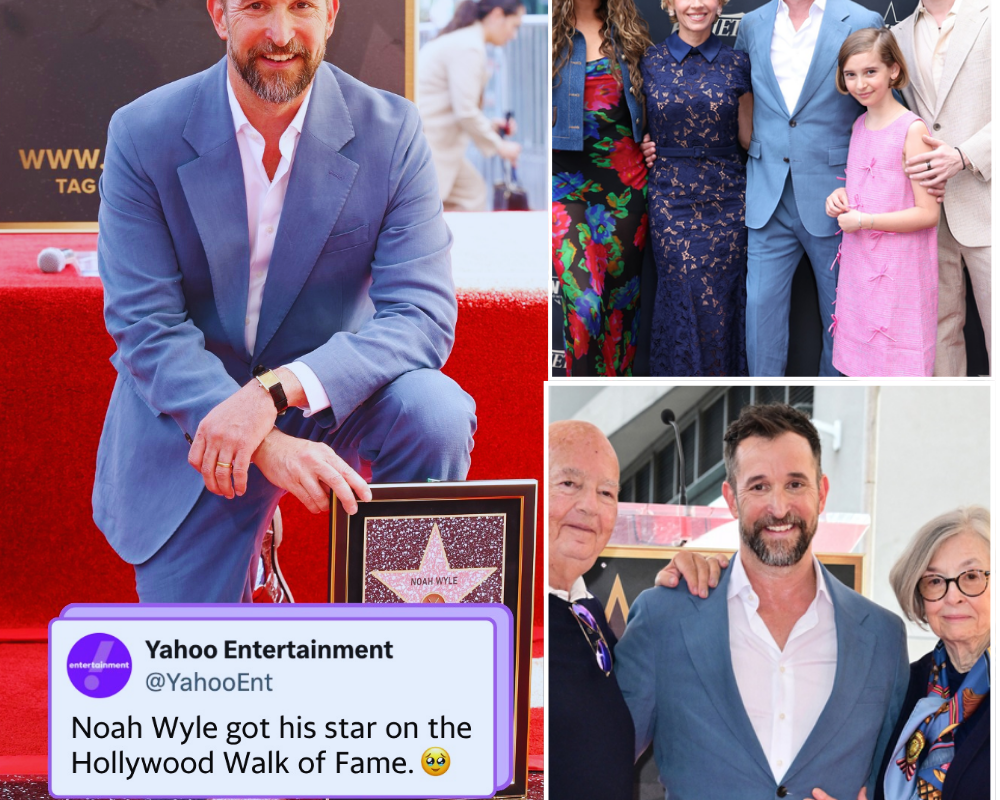
💖 “I Never Thought I’d Get This Lump In My Throat” – Noah Wyle Gets Overwhelmed & Shares Shocking Personal Confession At His Walk of Fame Star Ceremony
Paging Dr. Robby fans: Noah Wyle got his star on the Hollywood Walk of Fame! The acclaimed actor best known for “ER” and “The Pitt” got his big tribute on…
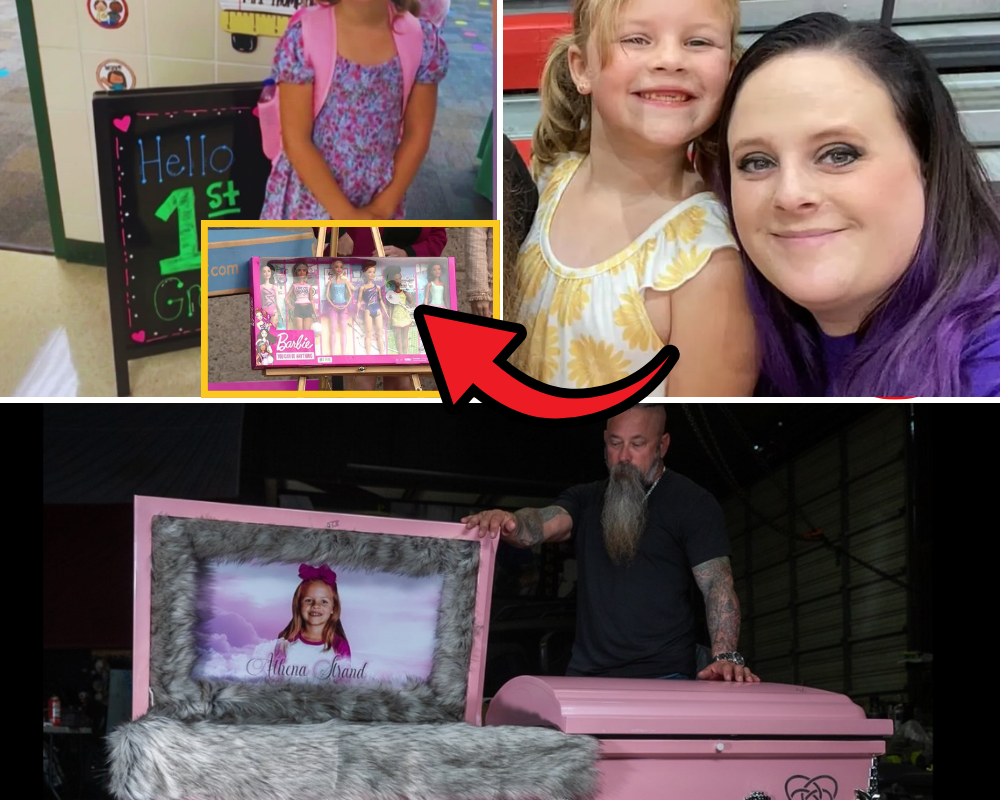
💔 “The Most Horrifying Christmas We’ve Ever Lived Through” – What Really Happened To Little Athena Strand Will Shock You 😭
Christmas 2022 wasn’t filled with gifts or laughter for one family. Athena Strand’s mother says it was the most horrifying Christmas they’ve ever lived through. A 7-year-old girl. A broken…
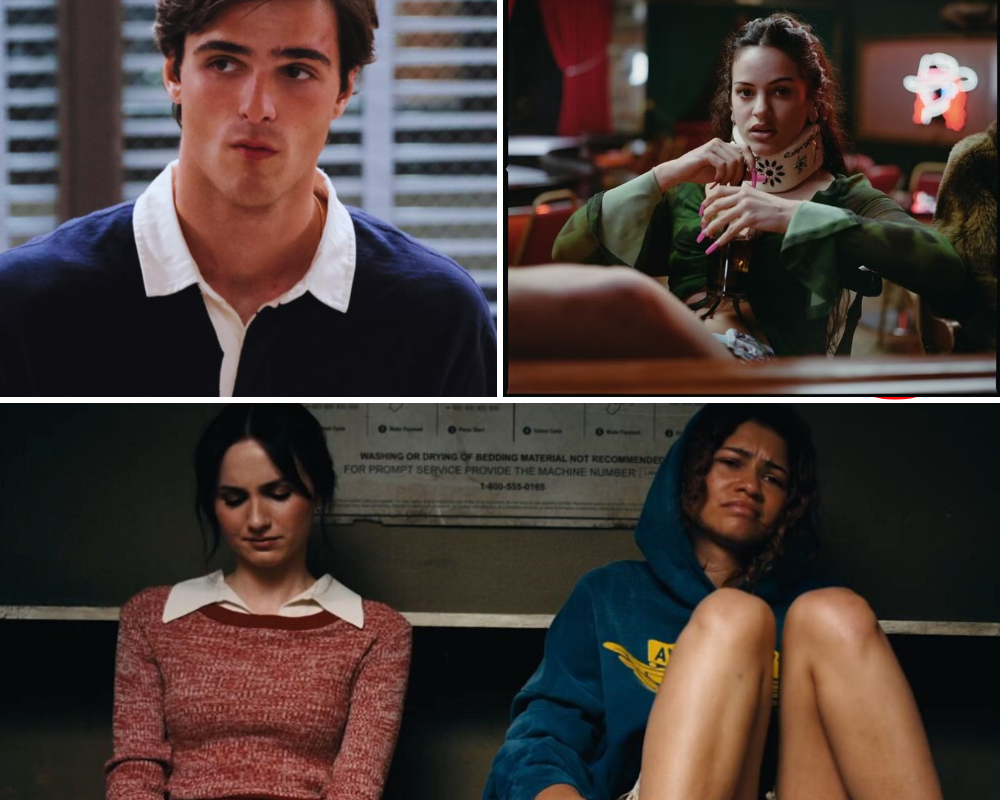
😭 “They’ve All Grown Up…” Euphoria Season 3 Review: The Most Mature, Cinematic & Heartbreaking Season Yet – Are You Ready? 💥
Euphoria Season 3 hits like a long-delayed confession you didn’t know you needed — raw, unflinching, and suddenly, shockingly grown-up. After four agonizing years of production delays, rumors, and fan…
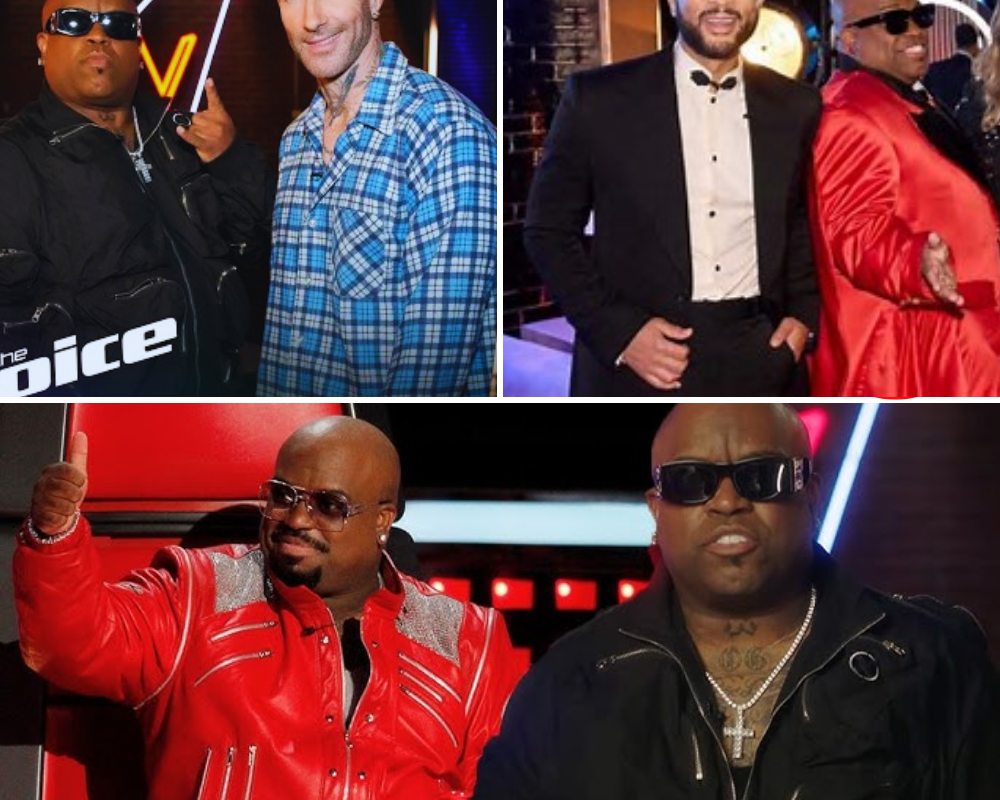
😱 “I WOULD DEFINITELY COME BACK” – CeeLo Green Drops Bombshell About Returning To The Voice As Coach 💣
CeeLo Green has returned to The Voice — and the moment feels like stepping back in time while somehow moving the show forward in the most unexpected way. The 50-year-old…

🚨 Hannah Harper Is The Clear Frontrunner! New Gold Derby Poll Results Reveal Who’s Winning & Who’s In The Danger Zone 😱
In the latest Gold Derby fan poll following the dramatic Top 11 reveal, the 25-year-old Missouri native has surged to a commanding lead, capturing a massive share of the vote…
End of content
No more pages to load