Handwritten Proof Diana Was Once Truly Happy With Charles—Rare Letter Shows The Fairytale Before It All Fell Apart ✨🪄
Handwritten Honeymoon Letter From Princess Diana Reveals Startling Contrast In Her Marriage To Then-Prince Charles
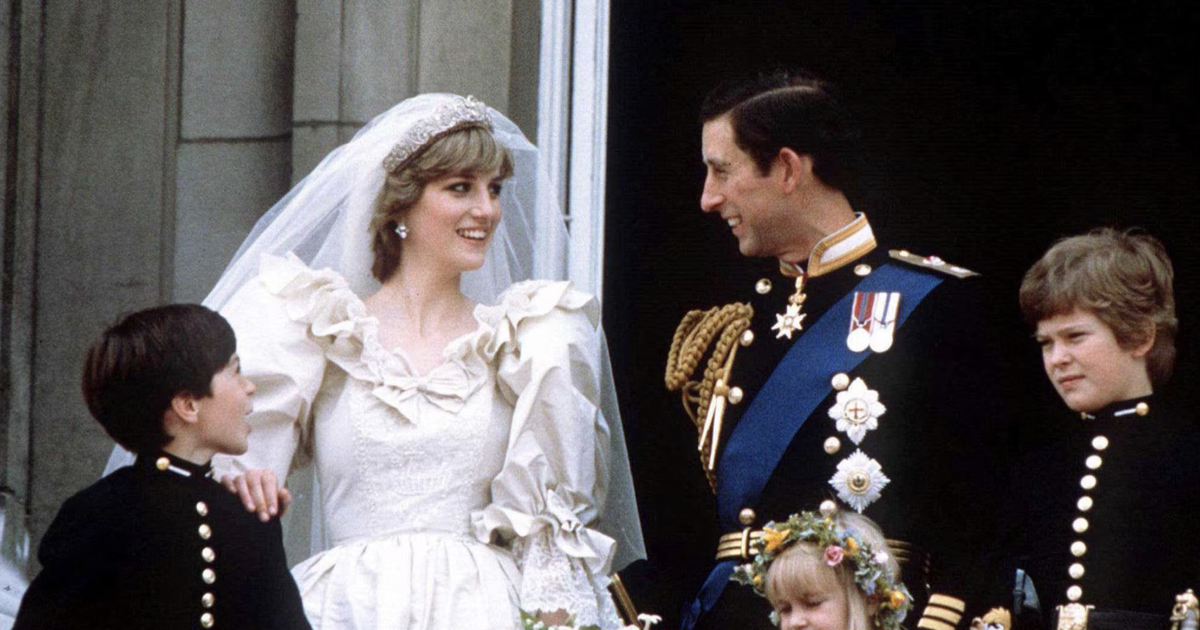
A previously unpublished three-page handwritten letter from Princess Diana, penned during her honeymoon in 1981, has surfaced at auction, offering a rare and intimate glimpse into the early days of what would become one of the most scrutinized marriages in modern history. Written to a former schoolfriend just two months after her fairy-tale wedding to Prince Charles, the letter radiates youthful joy and optimism that starkly contrasts with the well-documented struggles and eventual breakdown of their union. This discovery humanizes the late princess at a pivotal moment, before the pressures of royal life and public scrutiny took their toll.
The letter, dated September 27, 1981, was composed on royal stationery and addressed to Katherine Hanbury, a classmate from West Heath Girls’ School. At the time, Diana was just 20 years old and basking in the afterglow of her spectacular wedding to the heir to the throne. The “wedding of the century” had captured global attention, with millions watching the young bride walk down the aisle at St Paul’s Cathedral in her iconic Emanuel-designed gown. In the letter, Diana gushes about their honeymoon, describing “endless sunshine” and “calm seas,” and expresses delight at spending time in Scotland until the end of October. “It’s been fantastic for us,” she writes. “I love being outdoors all day and hate London!”
These lines reveal a young woman enchanted by the romance of newlywed life and the natural beauty of Balmoral, the royal family’s Scottish retreat. Diana’s preference for countryside tranquility over the formalities of London life hints at early differences in lifestyle and temperament that would later widen into irreconcilable gaps. While Charles embraced the structured rhythms of royal duty and urban engagements, Diana found solace in simpler pleasures and open spaces. Experts reviewing the letter note that this contrast foreshadowed deeper incompatibilities that plagued their marriage.
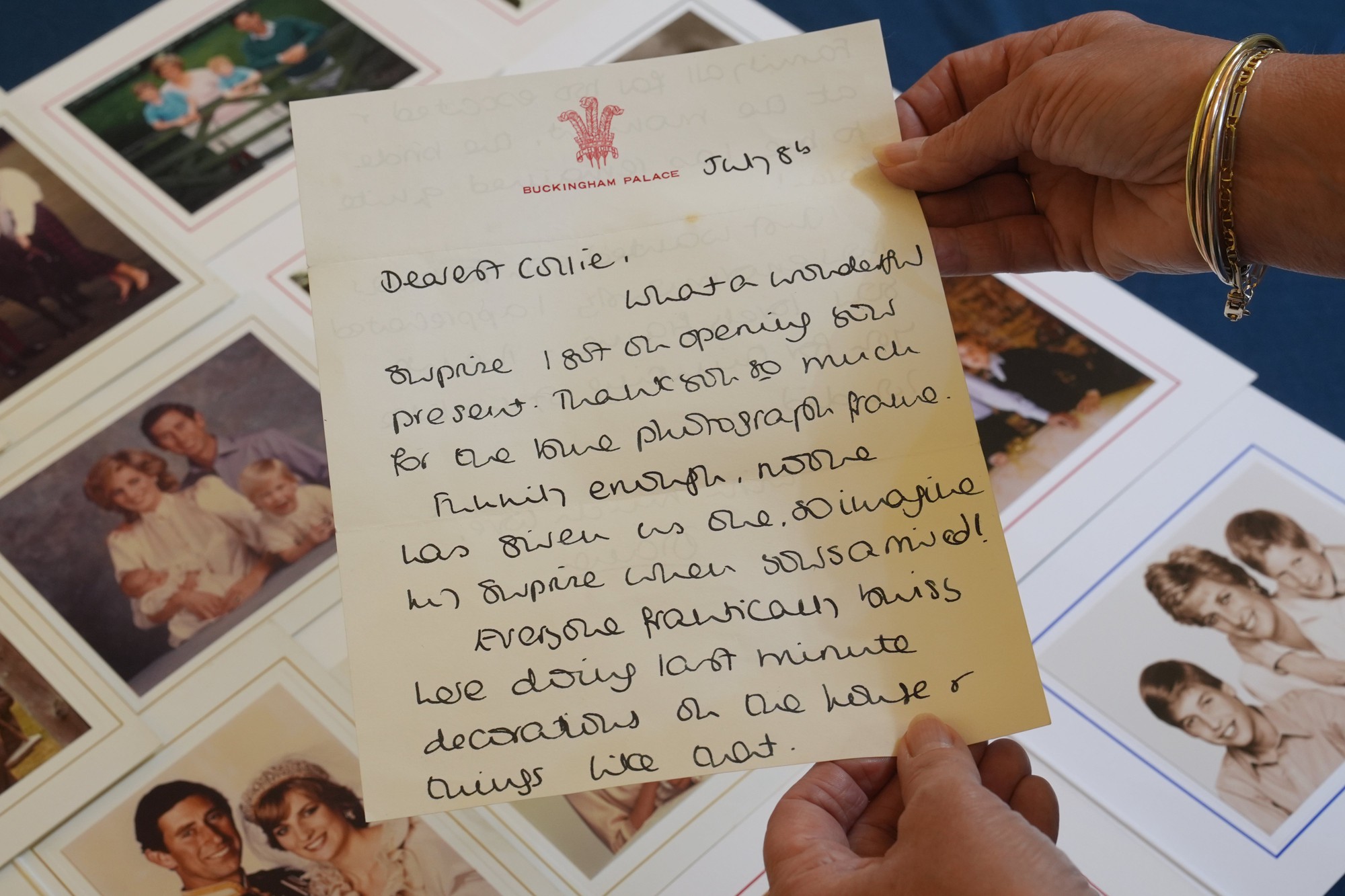
The auction house Gorringe’s, which will offer the letter and related memorabilia on July 7, 2026, describes it as a significant historical artifact. Specialist Albert Radford highlights how it captures Diana as “a young woman floating between love and history,” still filled with innocence and hope before the weight of royal expectations and personal unhappiness set in. The collection also includes school photographs and other mementos, estimated to fetch between $5,400 and $8,000.
Diana’s handwritten words stand in poignant contrast to the narrative that unfolded over the following years. The couple’s marriage, while producing two beloved sons in Princes William and Harry, was marked by infidelity, emotional distance, and intense media pressure. Charles’s long-standing relationship with Camilla Parker Bowles, later his second wife, cast a shadow from the beginning. Diana later spoke candidly about her loneliness and struggles within the institution, famously telling biographer Andrew Morton that there were “three of us in this marriage.”
The honeymoon letter provides a snapshot of optimism before those cracks appeared. Diana’s excitement about married life—“It’s wonderful being married, I think I can say that after two months!”—reflects the genuine affection and hope she felt at the start. Her playful remark about “playing with the grown-ups” when navigating royal protocols shows a youthful sense of wonder mixed with the daunting reality of her new role.
Royal biographers suggest the letter offers valuable insight into Diana’s character before fame and fortune altered her trajectory. Ingrid Seward, editor of Majesty magazine, notes that Diana wanted the world, particularly her sons, to know that genuine love once existed between her and Charles. The princess reportedly expressed a desire for people to read their love letters, hoping to humanize the fairy tale that turned tragic.
The discovery comes at a time when public interest in Diana remains as strong as ever. Her legacy as the “People’s Princess” endures through her sons’ work and the continued fascination with her life. William and Harry have both spoken about their mother’s influence, with Harry particularly vocal about preserving her memory and lessons. This letter adds another layer to that narrative, showing the young Diana full of life and possibility.
The auction has sparked renewed discussion about the pressures faced by royal brides. Diana entered the marriage at 20, largely unprepared for the intense scrutiny and rigid protocols. Her honesty in later years about the difficulties helped pave the way for more open conversations about mental health within the royal family. Kate Middleton, Meghan Markle, and other modern royal women have benefited from the path Diana helped illuminate, even as they navigate their own challenges.
Experts believe the letter’s value lies not only in its rarity but in its emotional authenticity. Unlike carefully crafted public statements, this private correspondence captures Diana’s unfiltered voice. Her preference for rural life over London, her delight in simple pleasures, and her hopeful outlook provide a counterpoint to the tabloid tales of turmoil that dominated later coverage.
As the letter heads to auction, it serves as a poignant reminder of the human stories behind royal headlines. Diana’s early happiness, however brief, humanizes her in a way that official portraits and formal duties never could. For William and Harry, it offers another connection to their mother’s younger self—a woman full of dreams before the weight of history intervened.
The British royal family’s history is filled with letters and documents that reveal private truths. From Queen Victoria’s journals to modern digital communications, these artifacts help us understand the people behind the crowns. Diana’s honeymoon letter joins this tradition, offering insight into a marriage that began with promise and ended in sorrow, but left an indelible mark on the monarchy and the world.
Public fascination with Diana shows no signs of fading. New generations discover her story through documentaries, books, and exhibitions. This latest discovery will undoubtedly fuel further interest, prompting reflection on what might have been if circumstances had differed. For now, the letter stands as a time capsule of youthful optimism, a brief window into a fairy tale before reality set in.
The upcoming auction ensures that Diana’s words will reach a wider audience, allowing people to connect with the princess on a personal level. Her enduring popularity stems from this relatability—the sense that beneath the titles and tiaras was a woman who loved, hoped, and struggled like anyone else. In sharing her honeymoon joys and simple pleasures, she reminds us of the universal desire for happiness and belonging.
As bids are placed and the letter finds a new home, it carries with it the echoes of a young Diana’s voice—full of wonder, love, and the promise of a bright future that fate would ultimately rewrite. Her story continues to captivate, educate, and inspire, ensuring that the People’s Princess remains forever in the public heart.