On a crisp January afternoon in 2026, 15-year-old Thomas Medlin walked off the campus of the Stony Brook School, a prestigious boarding institution on Long Island, New York. It was Friday, January 9, around 3:30 p.m. He didn’t tell anyone where he was going. He simply ran to the nearby Stony Brook train station, boarded a Long Island Rail Road train, and headed toward Manhattan. By 5:30 p.m., surveillance cameras captured him at Grand Central Terminal, one of the busiest hubs in the world, blending into the evening rush like countless other teenagers. But Thomas never came home.

More than three weeks later, as search efforts continue and hope fades into grim speculation, the case of Thomas Medlin has gripped the public imagination. What began as a routine missing-person report has evolved into a haunting narrative of a gifted young man who spoke three languages fluently, excelled academically, and yet carried burdens that may have become too heavy to bear. His family, friends, and investigators are left grappling with the same heartbreaking question: What drove this multilingual prodigy to vanish?
Thomas Medlin was no ordinary teenager. Born to a multicultural family—his mother, Eva Yan, has Chinese heritage, while his father carries European roots—Thomas grew up navigating multiple worlds from an early age. By the time he was in middle school, he was fluent in English, Mandarin Chinese, and Spanish. Teachers described him as a linguistic marvel, someone who could switch seamlessly between languages during class discussions, tutor classmates in Mandarin, or hold animated conversations in Spanish about global politics. “He had this effortless gift,” one former teacher recalled in interviews with local media. “Thomas didn’t just learn languages; he lived them. It was as if the world opened up wider for him because he could speak to more of it.”
At the Stony Brook School, a private preparatory academy known for its rigorous academics and international student body, Thomas thrived. He was enrolled in advanced placement courses, participated in debate club, and was rumored to be considering early college applications. Friends said he was quiet but intensely curious, the kind of student who asked probing questions about philosophy, history, and identity. His trilingual abilities weren’t just a party trick—they were central to his identity. He translated news articles for fun, moderated online forums in multiple languages, and dreamed of a future in international relations or diplomacy.
Yet beneath that polished exterior lay signs of strain. Thomas was a boarding student, living away from home during the week, which amplified feelings of isolation for many teens. His mother later shared in emotional interviews that her son often felt the weight of high expectations. “He was always trying to be perfect,” Eva Yan told reporters. “Perfect grades, perfect behavior, perfect in every language he spoke. I worry now that the first thing I should have noticed was how much pressure he was under. Maybe he felt he couldn’t disappoint us, couldn’t fail.”
The user’s concern echoes what many close to Thomas have hinted at: the fear that overwhelming pressure may have played a role. In a society that celebrates young achievers—especially those with rare talents like trilingual fluency—the line between motivation and burnout can blur. Thomas was juggling advanced coursework, extracurriculars, and the emotional demands of adolescence in a high-achieving environment. Some classmates noted he had become more withdrawn in recent months, spending longer hours alone with his phone or laptop. Others recalled moments when he expressed frustration about “never being enough,” a sentiment all too common among gifted teens pushed toward excellence.
The timeline of January 9 unfolds like a slow-motion tragedy captured in fragments of digital evidence. After leaving school, Thomas made his way into the city. He was seen at Grand Central, then reportedly on subway platforms. By evening, he ended up on the pedestrian walkway of the Manhattan Bridge, a towering structure spanning the East River between Manhattan and Brooklyn. At 7:06 p.m., surveillance footage shows him pacing back and forth. His cell phone registered its last activity at 7:09 p.m. One minute later, at 7:10 p.m., a nearby camera captured an ominous splash in the water below. Thomas was never seen exiting the bridge on foot. No one reported seeing him leave via any pedestrian path.
Suffolk County Police, leading the investigation, released these chilling details in late January after an exhaustive review of video footage and digital records. While they stopped short of definitive conclusions, the implications are stark. Divers searched the East River in the days following the update, but harsh winter conditions and strong currents complicated efforts. As of late January 2026, Thomas remains officially missing, classified as an endangered runaway by authorities, with the National Center for Missing & Exploited Children (NCMEC) distributing posters nationwide.
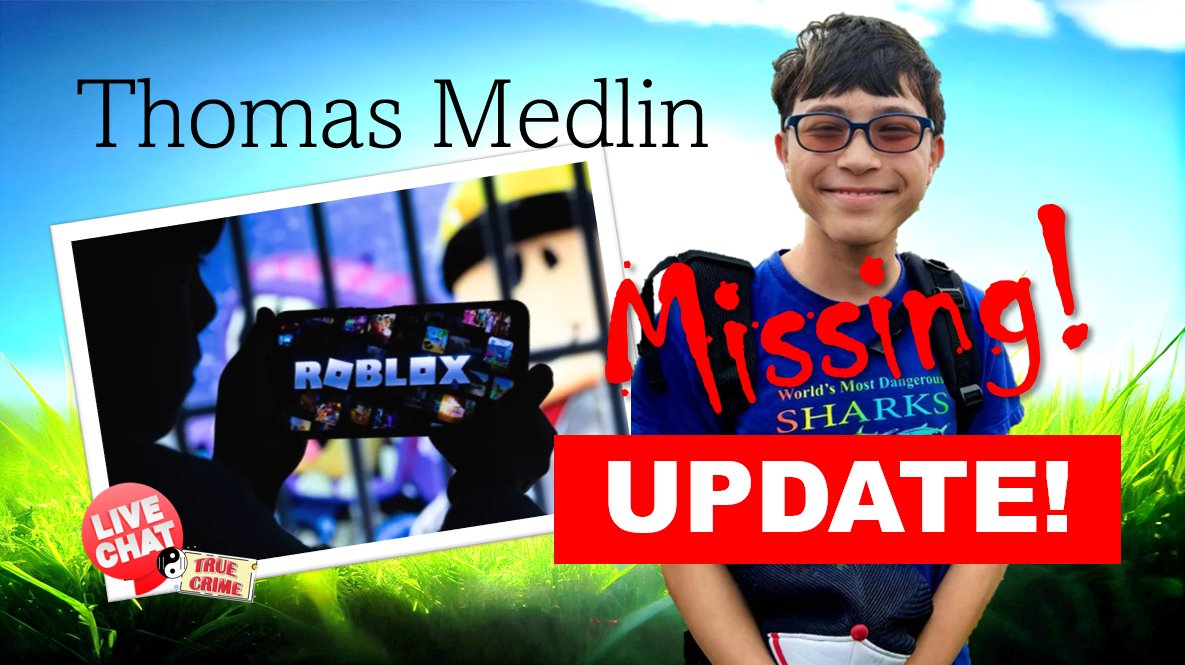
Early speculation centered on online connections. Thomas was an avid gamer, particularly on Roblox, a platform popular among teens for its social features and user-generated worlds. His family initially believed he may have traveled to Manhattan to meet someone he connected with online. “He talked about friends from the game,” Eva Yan said in one plea for information. “He said they understood him in ways no one else did.” Roblox cooperated fully with investigators, conducting a thorough review of Thomas’s account activity. Ultimately, police stated there was no evidence linking the disappearance to gaming or social media predation. “We have found no correlation,” a department spokesperson emphasized, redirecting focus to other possibilities.
This clarification has frustrated some family members, who feel it dismisses a potential avenue too quickly. Yet it has also shifted attention toward internal struggles. Mental health experts consulted on similar cases note that gifted multilingual teens often face unique pressures: cultural expectations from immigrant or mixed-heritage families, the isolation of being “the smart kid,” and the exhaustion of constant code-switching between languages and identities. “When a child is exceptional in multiple domains, the fear of falling short can become paralyzing,” said Dr. Elena Ramirez, a child psychologist specializing in adolescent identity issues. “Thomas’s trilingualism was a strength, but it may also have amplified feelings of being different, of having to perform perfectly in every context.”
Imagine the inner world of a 15-year-old like Thomas: waking up in a dorm room far from home, acing a Mandarin oral exam in the morning, debating global economics in English at lunch, then chatting with Spanish-speaking friends online at night. Each language carried its own cultural weight, its own set of unspoken rules. Add the normal turbulence of teenage years—hormones, peer dynamics, first crushes—and the result can be overwhelming. Friends later recalled Thomas joking about “needing a break from being me,” a phrase that now feels tragically prophetic.
The Manhattan Bridge itself adds a layer of symbolism to the mystery. Spanning water and connecting boroughs, it represents transition, a literal and figurative bridge between worlds. For a boy fluent in three languages, who bridged cultures effortlessly, ending up there feels almost poetic in its cruelty. Was it a moment of impulse? A cry for escape? Or something more final? The splash captured on camera haunts investigators and the public alike—a single, silent punctuation mark in a story that refuses easy resolution.
As weeks stretch into uncertainty, the search for Thomas Medlin continues. Helicopters have scanned the riverbanks, volunteers have combed parks and transit hubs, and digital billboards in Times Square flash his photo: a smiling boy with dark hair, bright eyes, and an air of quiet intelligence. His family holds daily vigils, pleading for any information. “If you’re out there, Thomas, please come home,” Eva Yan said in a recent statement. “We love you exactly as you are—no pressure, no expectations. Just come back.”
The case has sparked broader conversations about youth mental health, the dangers of overburdening gifted children, and the hidden struggles behind multilingual excellence. Parents across the country are checking in with their own high-achieving teens, asking questions they once assumed unnecessary: Are you okay? Is it too much? What do you need?
Thomas Medlin’s disappearance is more than a missing-person story. It is a reminder that brilliance can coexist with fragility, that talent doesn’t immunize against pain, and that sometimes the heaviest burdens are carried in silence. In a city of millions, one boy’s footsteps led to a bridge—and then to silence. Until he is found, the questions linger, as persistent as the river flowing beneath that fateful walkway.
We may never know the full truth of what happened on January 9. But we know this: Thomas was extraordinary. He spoke three languages, saw the world through multiple lenses, and deserved a chance to grow without the crushing weight of perfection. If pressure was the unseen force that pulled him away, let it serve as a wake-up call. No child should feel that the only way out is to disappear.