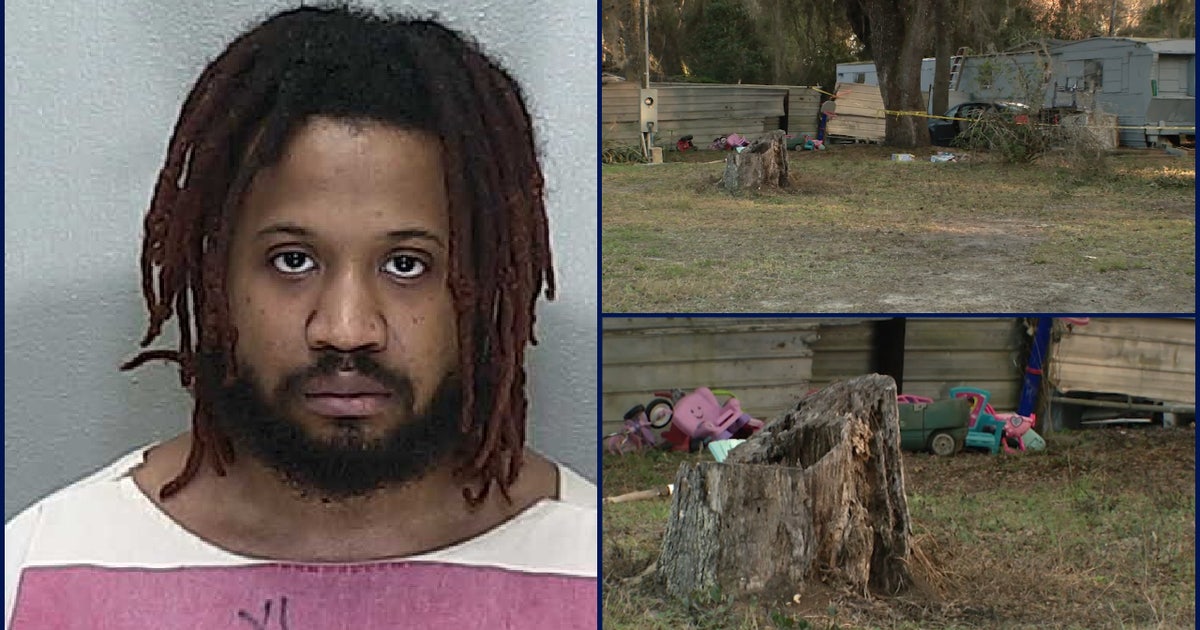
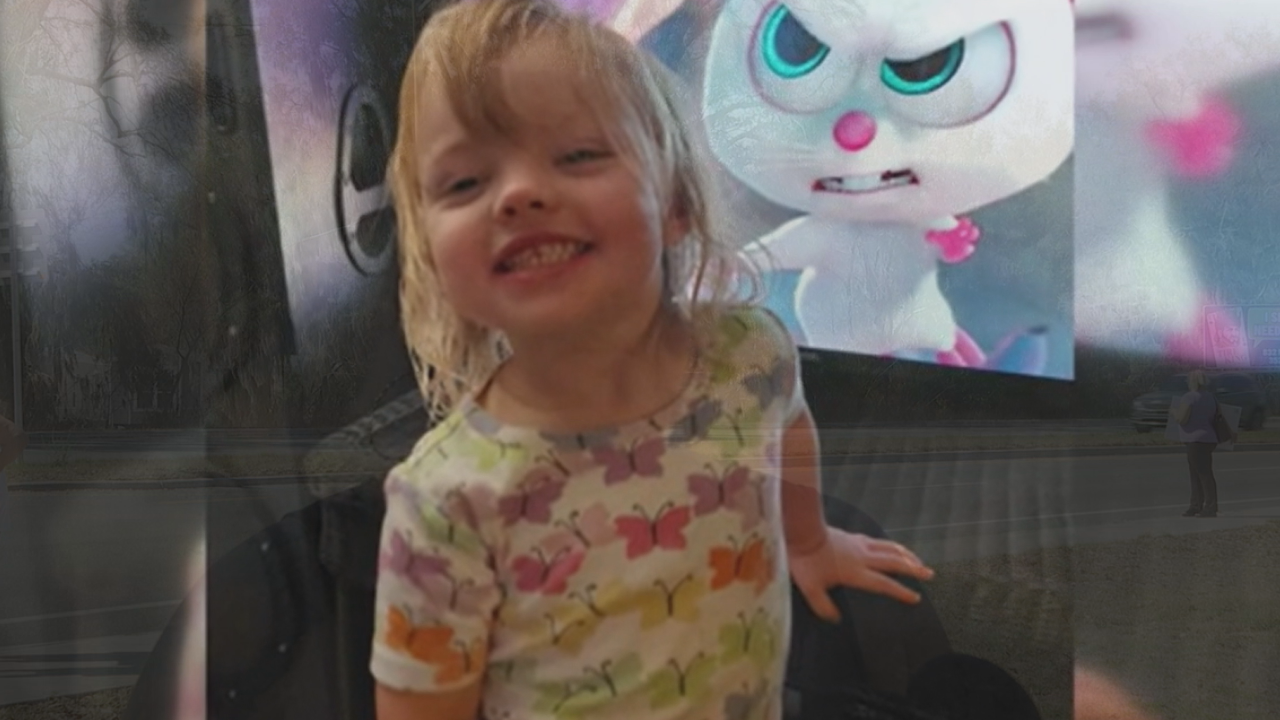
The brutal death of 3-year-old Paisley Brown has exposed a nightmare hidden behind the doors of a quiet trailer home in Citra, Florida—a rural pocket northeast of Ocala where children’s laughter should have echoed but instead gave way to screams of terror and silence of death. On February 19, 2026, this tiny girl with a “big smile” and boundless energy was subjected to unimaginable cruelty at the hands of the man her mother trusted to care for her and four other young children. What unfolded that morning was not a tragic accident but a calculated act of violence that ended a life full of promise and ignited outrage across Marion County. Authorities describe it as a “Citra house of horror,” a phrase that captures the chilling reality: a place where a 3-year-old was bound, beaten, dropped, and struck until she stopped breathing, all while her mother was out running errands.
Paisley Brown was born into a world that should have protected her. Family members remember her as fun-loving, energetic, and always ready with a beaming grin that lit up rooms. She loved showing off her personality, playing with toys scattered around the home on NE 44th Avenue, and simply being a toddler discovering the joys of life. Yet in the care of 32-year-old Jeroen Jarrel Coombs—her mother’s boyfriend and the primary caretaker for the household’s five children aged 1 to 9—those innocent days ended in horror. Coombs, who had only been in the picture for a few short months, now faces aggravated child abuse charges, with prosecutors preparing additional, likely more severe accusations once the medical examiner’s full report on cause and manner of death is complete.
The sequence of events on that fateful Thursday morning reveals a timeline of delay, denial, and devastation. Around 9:15 a.m., Paisley’s mother left the home to handle errands: a stop at the post office, the Department of Motor Vehicles, and a nail appointment. She left her five children in Coombs’ care, a routine that had apparently become normalized despite growing unease from relatives. At approximately 10:30 a.m., during a phone call, the mother heard her daughter’s voice in the background saying, “I love you, Mommy”—the last words anyone would hear from Paisley. Less than an hour later, around 11 a.m., Coombs contacted the mother again, claiming Paisley was unresponsive. Instead of dialing 911 immediately, he called the mother first. It wasn’t until about 11:40 a.m.—roughly 40 minutes after the initial alert—that emergency services were summoned. Deputies arrived around noon to find the child limp and lifeless in her high chair. Paramedics rushed her to a hospital, but she was pronounced dead from her catastrophic injuries.
What investigators uncovered through interviews, physical evidence, and Coombs’ own statements paints a picture of premeditated cruelty. According to the arrest affidavit, Coombs confessed to binding Paisley’s hands with a robe tie and her legs with blue painter’s tape—to stop her from reaching into her diaper during the night or morning. He admitted to “caging” her in this manner, then dropping her on the floor while bound, watching as she gasped for air. In a moment he later described as going “too far,” he struck her multiple times, punching her body and reportedly slamming her against a wall to “shut her up.” A juvenile witness in the home corroborated the violence, telling deputies they saw Coombs punching the toddler and had witnessed prior abuse. Physical signs told their own grim story: bruising across her chest and private areas, possible ligature marks on her wrists and ankles from the restraints. These marks, combined with internal trauma, proved fatal.
Marion County Sheriff’s deputies acted swiftly. Coombs was detained after attempting to leave the scene and arrested on aggravated child abuse. During his first court appearance on February 20, County Judge LeeAnn Mackey-Barnes ordered him held without bond—a decision reaffirmed in subsequent hearings as the case advances toward trial. His next court date is set for March 24, 2026. The sheriff’s office, led by statements from Lt. Paul Bloom, expressed profound shock: “It’s tragic and it’s shocking. That’s not something that I don’t think anybody, as a first responder, wants to see, is prepared to see. We try to train and prepare ourselves for this type of thing, but it’s shocking to us just as much as it is to the public.” Bloom emphasized Coombs’ understated demeanor during questioning—”I took it too far”—and the department’s commitment to pursuing every angle, including potential prior abuse and the mother’s role.
The investigation extends beyond Coombs. Detectives are scrutinizing whether Paisley’s mother knew of or contributed to the abuse, particularly given witness accounts of ongoing mistreatment and the delay in calling emergency services. The Florida Department of Children and Families (DCF) has been notified and is involved, though they have declined public comment. Four other children in the home—ranging from 1 to 9 years old—were immediately removed and placed in protective custody. Paisley’s biological father, Robert Brown, and her former stepfather have stepped forward publicly, expressing anguish and pursuing legal action to secure custody of remaining siblings. One relative described the home as a “house of horror,” alleging children were regularly tied up, handcuffed, or restrained at night—claims that fuel demands for accountability from child welfare systems that may have missed warning signs.

Community response has been swift and emotional. On February 21, dozens gathered in protest outside the Citra home, holding signs demanding justice and chanting for Paisley. Residents voiced fury over perceived failures by DCF and frustration with a system that allowed a known violent individual—whose criminal history includes prior battery and domestic violence convictions—to assume caregiving responsibilities. Family members, including great-aunt Tabitha Harless (who owns the trailer and once had Paisley live with her), have spoken tearfully about the little girl’s vibrant spirit and the betrayal of trust. Harless performed CPR herself upon arriving, noticing the bruises and wet clothing, and confronted Coombs standing idly by. “They slipped through the cracks,” she said, vowing to stand up for Paisley and the surviving children. Protests highlighted broader concerns: why was Coombs, with a history of domestic battery, left alone with vulnerable kids? How could a mother leave for hours knowing the risks?
This case strikes at the heart of societal failures in protecting the most innocent. Paisley’s death is not isolated; it echoes countless stories where children endure prolonged abuse in homes meant to be sanctuaries. Coombs’ prior convictions—for battery in 2019 and domestic violence in 2020, both involving probation—raise red flags about how offenders cycle through the system without sufficient intervention. The mother’s errands that morning—post office, DMV, nails—become symbols of misplaced priorities when contrasted with the terror unfolding behind closed doors. Witnesses, including children who saw the violence, add layers of heartbreak: young eyes forced to witness brutality against their sibling.
As the investigation deepens, questions multiply. Were there prior reports ignored? Did family members voice concerns that went unheeded? The surviving children now face the trauma of removal, therapy, and rebuilding in safe environments. Paisley’s biological father has spoken of his efforts to intervene, lamenting that more could have been done. Great-aunt Harless continues advocating, insisting the “house of horror” label is no exaggeration.
Paisley Brown’s short life ended in agony, but her memory fuels a call for change. Vigils continue in Marion County, candles lit in her honor, ribbons tied in pink and white. The outrage is palpable: demands for harsher penalties, better screening of caregivers, and accountability from every adult who failed her. Coombs remains in custody, his fate tied to forensic reports and witness testimony. Additional charges loom—perhaps first-degree murder or manslaughter—as the medical examiner’s findings solidify the manner of death.
In the quiet of Citra, where toys still lie scattered outside the trailer, a 3-year-old’s absence screams loudest. Paisley deserved protection, love, and a future filled with laughter—not restraints, blows, and silence. Her story demands we confront uncomfortable truths: abuse thrives in secrecy, enabled by inaction. Until systems prioritize children’s safety over convenience, tragedies like this will persist. For Paisley, justice must be swift and uncompromising. Her big smile may be gone, but the fire for change she ignited burns fiercely in a community refusing to forget.