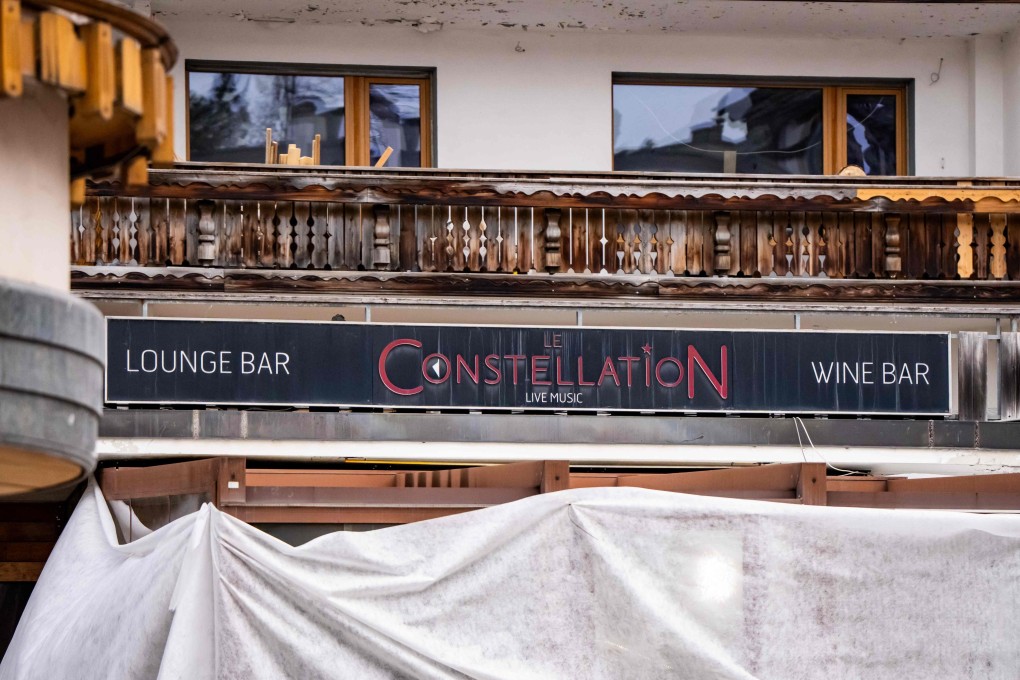
Flames erupted in seconds, turning a joyous New Year’s Eve celebration into a nightmare of smoke, screams, and desperation at Le Constellation, a beloved basement bar in the luxurious Swiss ski resort of Crans-Montana. What began as sparkling fountains of light from champagne bottles quickly ignited the ceiling, unleashing an inferno that claimed 40 lives—many of them teenagers—and injured more than 119 others in one of the deadliest nightclub tragedies in recent European history.
Amid the chaos, one man’s raw courage stood out: Paolo Campolo, a 55-year-old Swiss-Italian financial analyst and father, who dashed from his nearby home to confront the blaze head-on, pulling nearly a dozen trapped young revelers to safety through sheer determination and bare hands.
Crans-Montana, perched high in the Valais Alps with breathtaking views of snow-draped peaks and the distant Matterhorn, is a playground for the affluent. Its pristine slopes host World Cup skiing events, and its streets brim with chic boutiques, gourmet restaurants, and vibrant nightlife. Le Constellation, a longstanding local favorite rather than a tourist trap, drew crowds with its affordable drinks, sports screens, and lively atmosphere—especially appealing to younger patrons, including minors from Switzerland, France, Italy, and beyond.
On December 31, 2025, transitioning into the early hours of January 1, 2026, the bar was packed. Hundreds of partygoers, many teenagers in stylish outfits, toasted the new year with champagne bottles topped with pyrotechnic sparklers—those dazzling fountains that shoot sparks upward in celebration. Videos circulating on social media capture the initial moments: revelers hoisting bottles high, cheering as sparks flew, unaware that the flares were brushing too close to the low ceiling lined with flammable foam soundproofing.
Then, catastrophe. Flames licked the ceiling, spreading with terrifying speed. One clip shows a young man desperately swatting at the fire with a towel while others continue dancing, laughing, filming—oblivious at first to the danger. Within moments, the fire raged violently, consuming oxygen and filling the basement venue with thick, toxic black smoke. Panic surged as hundreds rushed toward the single main exit, a narrow corridor leading upstairs, creating a deadly bottleneck.
Survivors later described a “flashover”—the near-simultaneous ignition of everything in the room—as heat built to unbearable levels. “It happened in seconds,” one witness recounted. Screams echoed in multiple languages as people trampled one another, windows shattered in futile escape attempts, and the structure filled with choking fumes. The bar’s design, cozy but cramped, offered little mercy: emergency exits were reportedly inadequate, blocked, or locked, turning the venue into a trap.

Paolo Campolo’s night was worlds away from the revelry. Living just 50 to 200 feet from Le Constellation—accounts vary slightly—he was at home hosting a quiet New Year’s gathering with his fiancée and friends. A dual Swiss-Italian citizen and respected banker, Campolo’s world shattered around 1:20 a.m. when his 17-year-old daughter, Paolina, called in hysteria.
Paolina had returned from school in Geneva and briefly stopped home to toast with her family before heading to the bar with friends, including her boyfriend. Fate intervened: she arrived late, standing outside when the fire broke out. “Dad, there’s been a massacre, there’s a fire, and there are many injured,” she cried.
From his window, Campolo already spotted the ominous orange glow. Grabbing a fire extinguisher, he bolted toward the scene, heart racing. Arriving amid pandemonium—sirens approaching, crowds gathering, smoke billowing—he found the front impassable, choked with fumes.
The extinguisher useless against the subsided but oxygen-depleted inferno, Campolo circled the building with another stranger who had rushed to help. Through a rear window and door—locked or blocked from inside—they glimpsed horror: hands and feet pressed against glass, bodies piled in desperation, young faces twisted in agony.
No tools in sight—no axe, no crowbar—the two men braced their feet against the wall and yanked with superhuman strength, muscles burning, ignoring searing heat and poisonous smoke. The window shattered; the door yielded. One by one, Campolo reached in, hauling out limp or screaming teens—mostly minors in miniskirts and chic tops, many intoxicated, badly burned, begging for help in Italian, French, English.
“I pulled kids out with my bare hands,” he later said from his hospital bed, treated for smoke inhalation. “Several bodies fell on top of us—alive but burned, some conscious, others not. They were very young girls and boys.” He dragged them to a safe point, returning repeatedly despite the risk.
Footage online, though unconfirmed as depicting Campolo, shows a figure forcing open a side door as flames flicker behind, a young woman stumbling out in shock. The timing aligns perfectly with his account.
Paolina stood outside, frozen in trauma but unharmed. Her boyfriend escaped with severe burns, airlifted to Basel in critical condition. Tragically, Campolo’s fiancée was injured in the chaos, also fighting for life in the same hospital.
“The looks—the lucid desperation of those who know they’re dying,” Campolo recalled, voice breaking. “Burned people looking at you, asking not to be left there. It’s something that never goes away.” Driven by paternal instinct—”They could be my children”—he acted without hesitation.
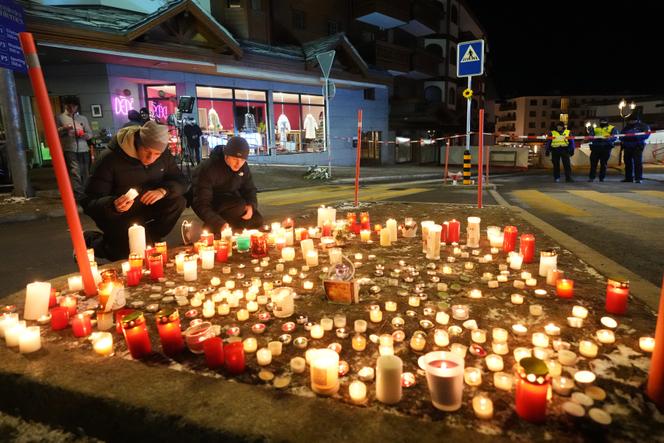
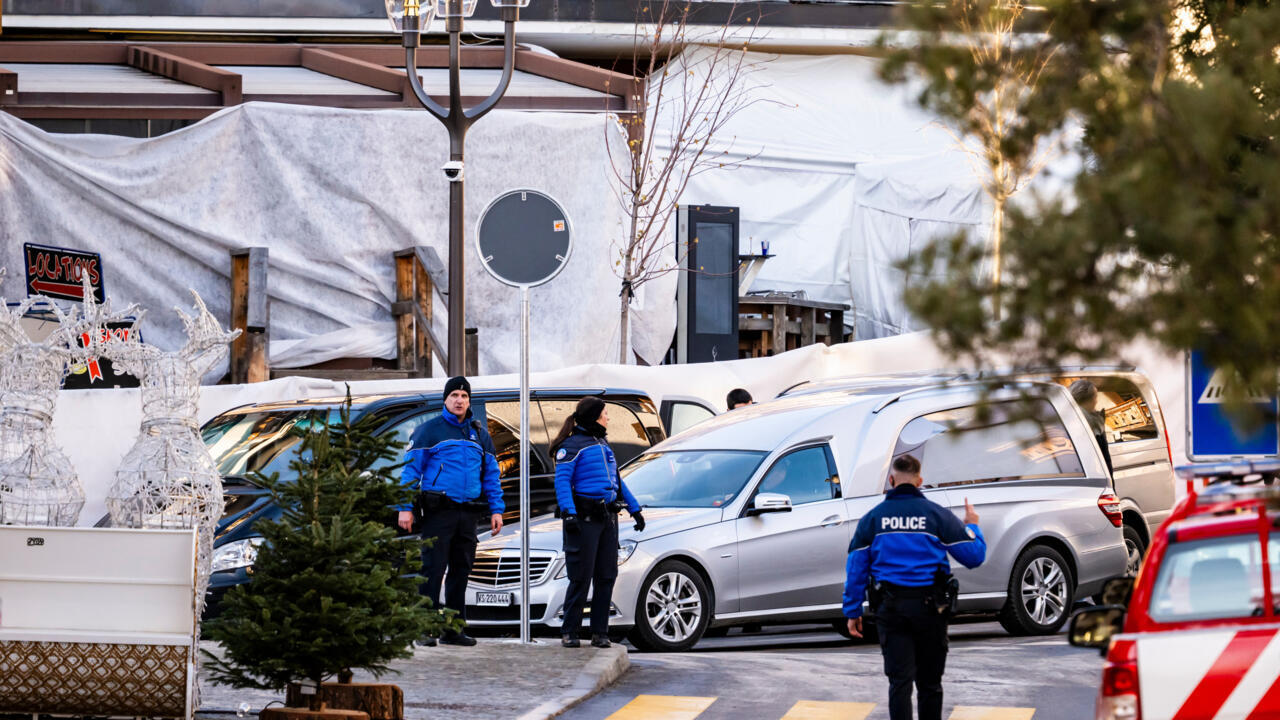
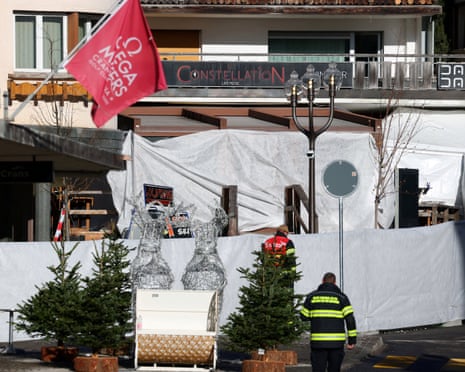
As dawn broke on January 1, the toll emerged: 40 dead, including many teenagers from across Europe—Swiss, French, Italian, and others. Over 119 injured, some critically, airlifted to burn units continent-wide. Makeshift memorials sprang up: flowers, candles, teddy bears outside the sealed bar. Silent vigils and marches honored the lost; flags flew at half-mast nationwide.
lemonde.fr
:max_bytes(150000):strip_icc():focal(726x484:728x486)/le-constellation-bar-fire-010126-1-d5e5a40eb236466c8dc2d15fde6f9a7b.jpg)
people.com
france24.com
Investigators swiftly pointed to sparklers as the likely igniter, held too close to the ceiling. Swiss authorities launched a criminal probe against the bar’s two managers for suspected involuntary homicide, bodily harm, and causing the fire. Questions abound: Why inadequate exits? Were safety inspections thorough? Reports suggest the venue, popular with minors, skirted regulations on pyrotechnics and capacity.
In the tight-knit community, grief lingers. Parents searched frantically for missing children; unanswered phones haunted families. Yet stories of heroism—like Campolo’s—offer glimmers of humanity. “Amidst the horror, I will never forget that humanity,” he said, praising strangers who united in rescue.
Paolo Campolo didn’t seek the spotlight, but his actions embody extraordinary bravery in ordinary moments. In a resort synonymous with glamour and joy, his desperate race against flames saved lives and etched an indelible tale of a father’s unyielding love extending to strangers’ children.
As Crans-Montana heals under wintry skies, silent processions wind through streets, and investigations probe preventable flaws, Campolo’s story endures—a beacon reminding us that even in darkest tragedy, courage can pierce the smoke.
theguardian.com

cnn.com