Tragedy struck the quiet suburbs of Prosper, Texas, on January 10, 2025, when 23-year-old British woman Lucy Harrison was fatally shot in the chest by her own father, Kris Harrison, in what a British coroner later ruled an unlawful killing through gross negligence manslaughter. The incident unfolded just 30 minutes before Lucy and her boyfriend Sam Littler were due to leave for the airport after a holiday visit, turning what should have been a warm family reunion into an irreversible nightmare that exposed deep fractures in family dynamics, alcohol misuse, and the casual handling of firearms.
Lucy, a lively and opinionated young woman from Warrington, Cheshire, had traveled to Texas to spend time with her estranged father, a British expat living in the affluent Dallas-Fort Worth area with his wife Heather. Kris, described during the inquest as a “functioning alcoholic” and “secret drinker,” owned a Glock semi-automatic handgun he kept in a bedside cabinet. He had purchased the weapon without any formal firearms training or experience, a detail that would prove devastating. Lucy, raised in the UK where handguns are tightly restricted, openly disliked guns and frequently voiced concerns about their danger, especially within a family setting.

That morning began ordinarily enough. The couple had finished packing their suitcases when the television in the living room aired a segment discussing gun crime in America. The topic quickly sparked a debate between Lucy and Kris, with Donald Trump’s name surfacing amid broader arguments about politics and gun rights. Tensions rose rapidly. According to witness accounts and Kris’s own police statement, he then took Lucy by the hand and led her into his ground-floor bedroom, claiming she had expressed curiosity about the firearm after the TV discussion. Senior Coroner Jacqueline Devonish rejected this explanation outright at the Cheshire Coroner’s Court inquest, stating: “Lucy disliked guns and considered them a danger to the family. She would not have asked to see it.”
Inside the bedroom, Kris retrieved the loaded Glock from the cabinet. In what the coroner characterized as a “teasing” or reckless display—possibly influenced by alcohol—he handled the weapon in front of his daughter. Moments later, a single shot rang out. Sam Littler, who had remained in the kitchen, heard the loud bang and rushed in to find Lucy collapsed near the bathroom door, blood spreading across her clothing from a chest wound. Kris was in a state of panic, shouting incoherently and calling for his wife Heather. Sam immediately called 911 while trying to comfort Lucy, but emergency services could do nothing; the bullet had struck her heart directly. She was pronounced dead at the scene.
Prosper police arrived shortly afterward and noted the strong odor of alcohol on Kris’s breath, raising immediate questions about impairment. However, no breathalyzer or blood-alcohol test was administered at the time—an omission that later drew sharp criticism. Kris was not arrested that day. Instead, he provided a voluntary statement to officers, insisting the shooting was accidental and that the gun had discharged while he was demonstrating it. He claimed he believed the weapon was on “safe” and that he had not intentionally pulled the trigger. Forensic examination later confirmed the Glock had no mechanical defects; the discharge resulted from direct trigger pressure.

Back in the UK, Lucy’s devastated mother and other relatives pushed for a thorough investigation. Because Lucy was a British citizen killed abroad, her death fell under the jurisdiction of the Cheshire Coroner’s Court for an inquest into the circumstances. The multi-day hearing in early 2026 heard emotional testimony from Sam Littler, who described the chaos of those final moments and Kris’s failure to immediately admit he had fired the shot. “He was just saying nonsense,” Sam told the court, his voice breaking as he relived the horror.
Heather Harrison, Kris’s wife, also testified, acknowledging her husband’s heavy but hidden drinking habits. She confirmed he often consumed alcohol privately and that she had smelled it on him that morning. The coroner heard how Kris had shown little regard for basic gun safety—no training course, no range practice, no secure storage habits beyond a simple cabinet drawer. Experts called to give evidence emphasized that even a momentary lapse with a loaded firearm in a domestic environment carries catastrophic risk, especially when alcohol is involved.
On February 10, 2026, Senior Coroner Jacqueline Devonish delivered her findings in a somber courtroom. She ruled Lucy’s death an unlawful killing, classifying it as gross negligence manslaughter. The coroner stressed several aggravating factors: Kris’s failure to undertake any firearms training, his decision to handle and display a loaded weapon during a family argument, his probable intoxication, and his reckless disregard for the inherent dangers of pointing or manipulating a firearm in close proximity to another person. “This was not an unforeseeable accident,” she stated. “It was the entirely predictable consequence of grossly negligent behavior.”
The ruling sent shockwaves through both sides of the Atlantic. In the UK, gun-control advocates pointed to the case as yet another example of why America’s permissive firearms laws endanger lives, even visitors. In Texas, the incident reignited debates over safe storage, mandatory training for handgun owners, and the culture of treating guns as casual household items. Lucy’s family issued a statement expressing profound grief and calling for accountability: “Our beautiful, intelligent, strong-willed daughter had her life stolen by one moment of utter recklessness. No family should ever have to endure this pain.”
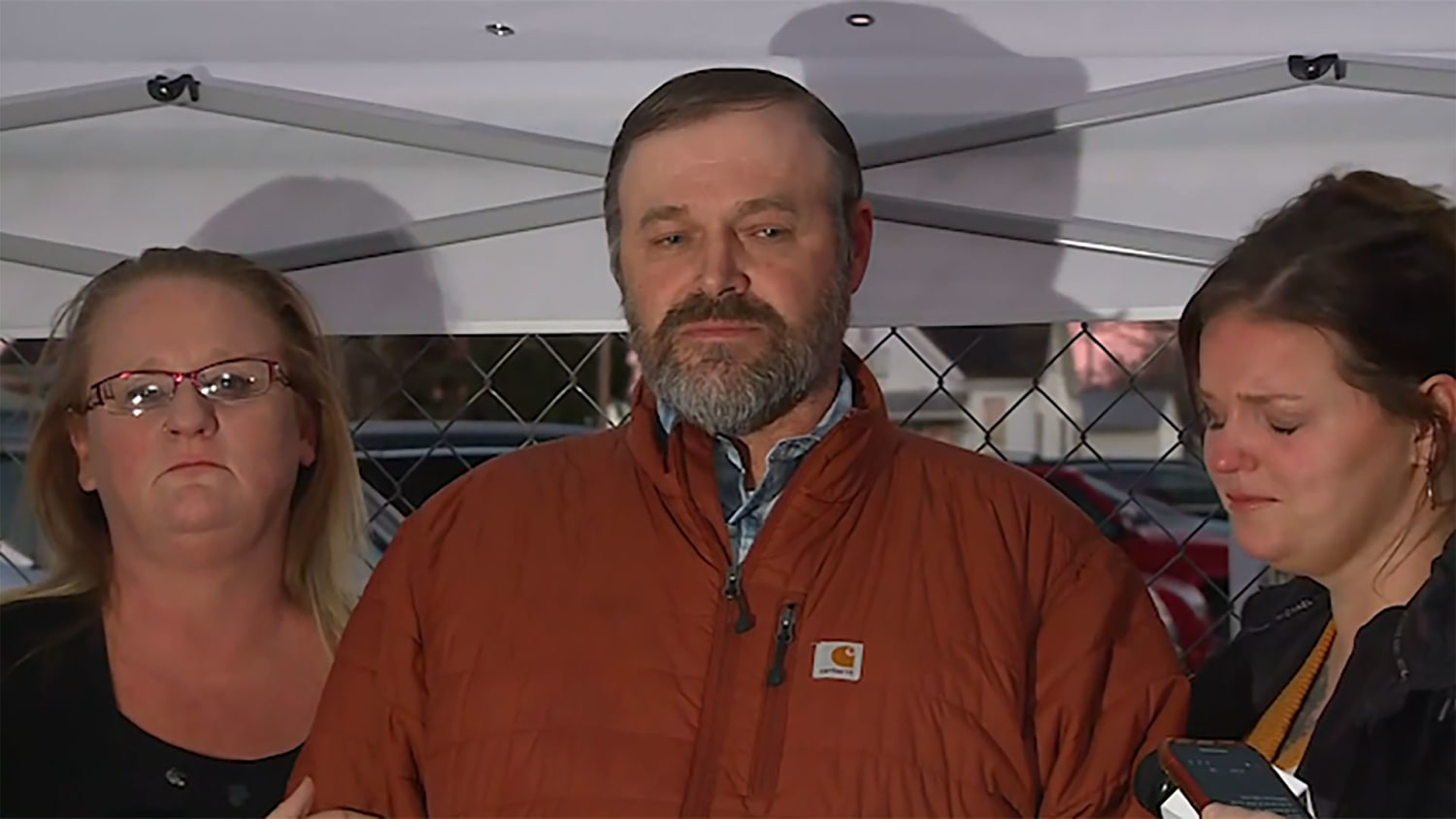
Kris Harrison has not faced criminal charges in the United States as of February 13, 2026. Texas authorities classified the incident as an accidental shooting, and no indictment has been issued. However, the coroner’s finding of gross negligence manslaughter opens the theoretical possibility of future extradition proceedings if British prosecutors decide to pursue the case—though such action remains rare and politically complex in deaths involving American citizens on US soil. Legal experts note that the lack of immediate toxicology results and the voluntary nature of Kris’s initial statement weakened the prospect of a murder or manslaughter prosecution in Texas.
Sam Littler, who held Lucy in her final moments, has spoken publicly about the trauma that continues to haunt him. “I keep replaying that morning,” he told reporters outside the court. “Thirty seconds earlier or later and she’d still be here. One stupid, avoidable choice changed everything.” Friends remember Lucy as fiercely independent, quick-witted, and deeply loved—a young woman planning a future in marketing and travel, now reduced to a cautionary headline.
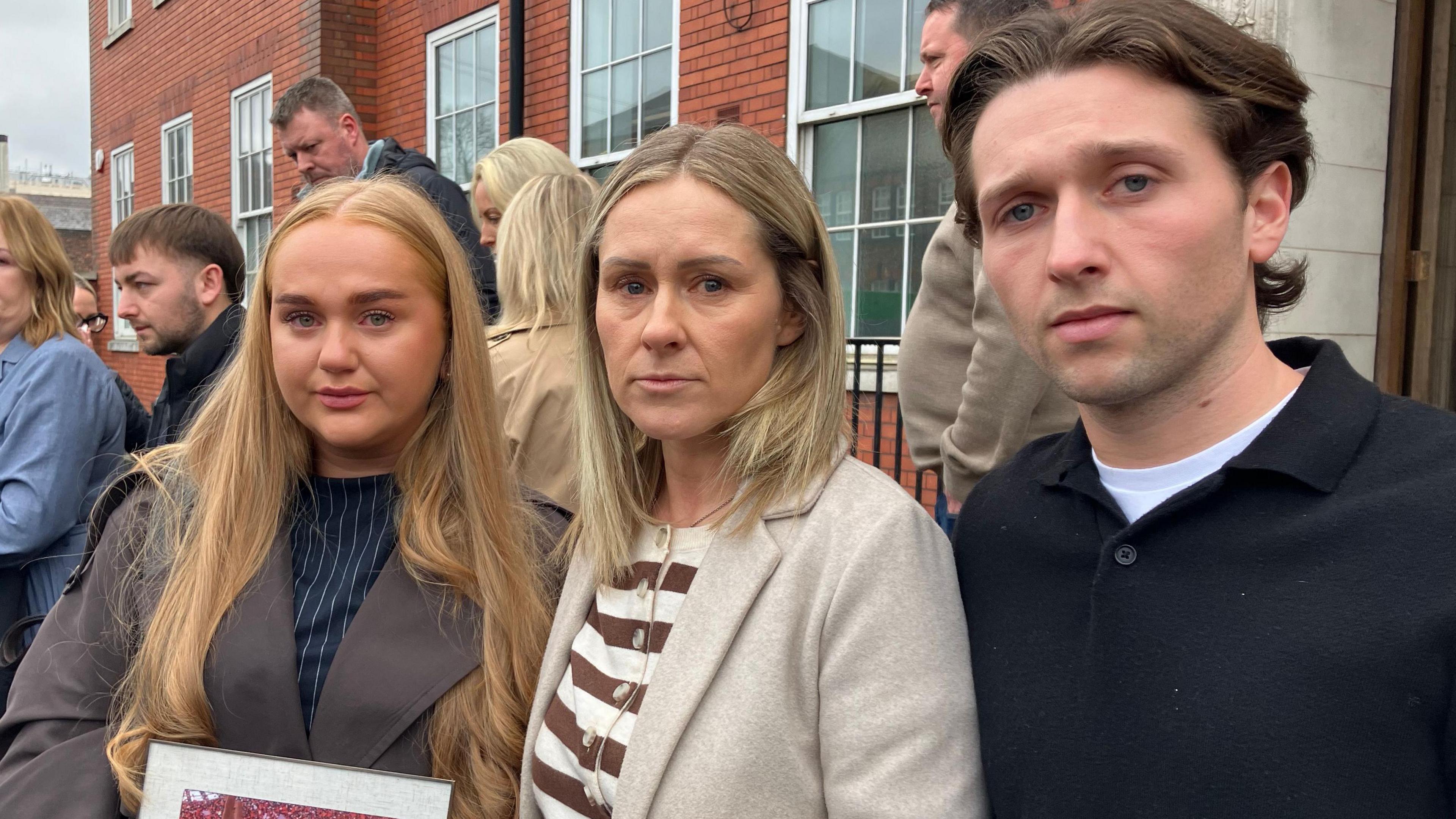
The tragedy has also spotlighted broader issues: the hidden toll of high-functioning alcoholism within families, the normalization of firearms in American homes, and the jurisdictional challenges when a foreign national dies abroad. Lucy’s mother has campaigned quietly for tighter awareness of gun risks for international travelers, urging UK citizens to research local laws and family habits before visiting relatives in the US.
More than a year later, the Harrison family remains fractured. Kris lives under the shadow of public condemnation and private guilt. Heather has distanced herself emotionally while grappling with her role as a witness to the events. Lucy’s extended family in Cheshire keeps her memory alive through small acts—planting trees, sharing photographs, speaking her name. Yet the wound refuses to heal fully. A single pulled trigger in a moment of bravado erased a bright life, shattered multiple futures, and left an enduring question hanging over a Texas bedroom: how could something so preventable ever happen?
As the legal chapter closes without prison bars, the moral one remains painfully open. Lucy Harrison’s death stands as a stark, heartbreaking reminder that carelessness with lethal force—whether fueled by alcohol, pride, or indifference—can turn love into irreversible loss in the blink of an eye.