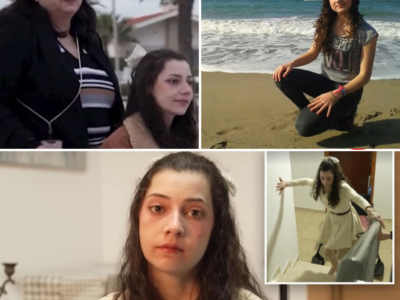
SHE WANTED TO DIE BEAUTIFUL: The Heartbreaking Final Hours of Noelia Castillo Ramos, the Gang-Rape Victim Who Chose Euthanasia After Years of Unbearable Pain 😢💔🌹

On the evening of March 26, 2026, at Sant Camil Hospital in Sant Pere de Ribes near Barcelona, 25-year-old Noelia Castillo Ramos lay in a quiet room dressed in her prettiest dress and carefully applied makeup. She had always said she wanted to die beautiful. Three injections were administered: the first two brought deep sedation, and the third stopped her heart. Within about 15 minutes, her suffering ended. Noelia, a young woman whose life had been marked by trauma, sexual violence, mental illness, and irreversible physical disability, had chosen to end her life through legal euthanasia — a decision that divided her family, ignited national debate, and forced Spain to confront the limits of compassion, autonomy, and the law.
Her story is not one of simple tragedy but of profound complexity — a life shattered by multiple sexual assaults, culminating in a gang rape that she never reported, followed by a desperate suicide attempt that left her paralysed from the waist down. For years she endured excruciating physical pain, chronic insomnia, and deep mental anguish that made every day feel like an endless darkness. Yet her final choice sparked fierce opposition from her own father, legal battles, protests, and soul-searching conversations about whether euthanasia offers dignity or simply gives up on the vulnerable.
Noelia Castillo Ramos was born into a troubled family. Her parents divorced when she was young, and the upheaval led to her being placed in care. From the age of 13, she battled borderline personality disorder and obsessive-compulsive disorder, receiving psychiatric treatment for much of her adolescence. She had already survived two previous sexual assaults before the most devastating attack in 2022. According to her own accounts in interviews, she was gang-raped by three boys in a nightclub. Traumatised and feeling utterly alone, she did not report the crime to police.

On October 4, 2022, overwhelmed by the weight of her experiences, Noelia jumped from the fifth floor of an apartment building in a suicide attempt. She survived, but the fall caused a severe and irreversible spinal cord injury. From that moment, she was paraplegic, confined to a wheelchair, and plagued by constant, burning pain in her legs and back that made even sleep nearly impossible. The physical disability compounded her existing mental health struggles, leaving her feeling isolated, misunderstood, and without any sense of purpose or future.
“I’ve always thought I want to die beautiful. I’ll put on my prettiest dress and make-up,” she told Spanish television channel Antena 3 in one of her final interviews just days before her death. In that raw conversation, Noelia spoke openly about her inner world: “Before requesting euthanasia, I saw my world as very dark. I had no goals or objectives. I have always felt alone, I have never felt understood, and no one has ever empathised with me.”
Her family was torn. Her mother, Yolanda Ramos, stayed by her side until the very end, spending the last night with her daughter despite not agreeing with the decision. “I am not in favour of euthanasia, of course I am not in favour, but I will always be by her side until the very last moment, as long as she allows me,” Yolanda said in an emotional plea. She even read offers of financial help for new treatments, hoping against hope that Noelia would change her mind at the last second. “These are my final words. There’s nothing more I can do. If you decide to go ahead, I’ll be there for you, but if you change your mind, I’ll be there for the good times too.”
Noelia’s father, Geronimo Castillo, took a far more confrontational stance. He launched a lengthy legal battle to block her euthanasia request, supported by the ultraconservative Christian Lawyers (Abogados Cristianos) group from Valladolid. They argued that Noelia’s long history of mental health issues meant she could not make a truly free and informed decision. The courts, however, ruled otherwise. Judges determined that her mental faculties remained intact, and her request was “free, conscious, and informed.” The case even reached the European Court of Human Rights, which ultimately allowed the procedure to go ahead.

Spain legalised euthanasia in June 2021, becoming the fourth European Union country to do so. The law permits assisted dying for adults over 18 who suffer from “serious, chronic, and disabling” conditions causing unbearable physical or mental pain. Noelia’s case — combining paraplegia, chronic pain, and severe psychiatric conditions — was deemed to meet the criteria after careful medical and legal review.
Outside the hospital on the day of the procedure, supporters gathered in a final attempt to persuade her to reconsider. Her best friend, Carla Rodriguez, arrived just an hour before the scheduled time, tears streaming down her face, desperate to change her mind. Inside the room, family members including siblings and her maternal grandmother spent precious last moments with her. The euthanasia began around 6:30pm local time. Noelia was alone with the doctor during the injections, but her loved ones had been with her until shortly before.
The procedure itself was designed to be peaceful and painless. After sedation, cardiac arrest followed quickly. Supporters of euthanasia hailed it as a dignified end to unbearable suffering. Critics, including Christian Lawyers, issued a statement shortly after: “Noelia has already been euthanised. We deeply regret her death and denounce that this case highlights the serious flaws in the euthanasia law, which does not protect the most vulnerable people.” They described the parents as “broken” after years of trying to support her rehabilitation.
The case has reignited fierce debate across Spain and beyond. Pro-euthanasia campaigners held signs reading “My life is my own,” arguing that Noelia’s autonomy deserved respect after a lifetime of trauma and pain. Opponents, including religious groups and some politicians, warned that the law risks pressuring vulnerable people — especially those with mental health issues or disabilities — toward death instead of offering better support, therapy, and care.
Noelia’s own words in her final television appearance cut through the noise. She directly addressed her father’s opposition: “None of my family support me but the happiness of a father does not have to be above that of a daughter or above a daughter’s life. I just want to go in peace and stop suffering.” She questioned why her pain was being weighed against his wishes, emphasising that she had endured years of feeling invisible and unsupported.

Her story begins long before the 2022 gang rape. Childhood in a broken home, time in state care, early psychiatric diagnoses, and previous assaults had already left deep scars. The unreported gang rape in the nightclub became a breaking point. Friends and family noted that Noelia had been relying on Spain’s mental healthcare system even before that attack. The suicide attempt that followed left her physically disabled and intensified her sense of isolation.
In the years after becoming paraplegic, Noelia lived with constant physical torment. The spinal injury caused neuropathic pain that medications struggled to control. Sleep became a luxury she rarely experienced. Mentally, she described a world stripped of colour and hope. Therapy, counselling, and medical support were not enough to restore her will to live. She applied for euthanasia in 2024, triggering the legal process that would stretch over nearly two years.
The courtroom battles were painful for everyone involved. Geronimo Castillo fought hard, believing his daughter’s mental health history invalidated her consent. Medical experts and judges disagreed, repeatedly affirming her capacity to decide. The European Court of Human Rights ruling cleared the final hurdle. Throughout the process, Noelia maintained her resolve, even as protests formed outside hospitals and courts.
On the day of her death, emotions ran high both inside and outside the facility. While some friends and supporters tried one last time to intervene, others respected her choice. One sympathiser told media: “Rest in peace and to those who don’t like Noelia’s decision, lump it. It’s her life and she has the right to decide.”
Noelia’s case highlights the profound ethical dilemmas surrounding euthanasia laws. Spain’s legislation aims to offer a compassionate option for those facing unbearable suffering, but critics argue it can fail society’s most vulnerable — young people with complex trauma, mental illness, and disability who might benefit more from enhanced support systems than from the option of death.
Supporters counter that forcing someone to endure years of agony against their will is itself a form of cruelty. They point to Noelia’s clear, repeated statements and the rigorous medical and judicial oversight that approved her request. For them, her death was not a failure of the system but a recognition of individual dignity.
The reactions from her family capture the human heartbreak at the centre of the story. Her mother’s unwavering presence despite personal opposition showed a mother’s love that transcended disagreement. Her father’s legal fight reflected a parent’s desperate hope to save his daughter by any means. Siblings and extended family navigated their own grief while trying to honour Noelia’s wishes.
In the days following her death, Spain has seen renewed protests both for and against euthanasia. Conservative voices call for stricter safeguards, particularly when mental health is involved. Progressive groups defend the law as a fundamental right to bodily autonomy. Media coverage has been intense, with some outlets focusing on Noelia’s trauma and others on the broader implications for disabled and mentally ill individuals.
Noelia’s life was marked by pain, but also by courage. She spoke publicly in her final days not only to justify her choice but to assert her humanity. She wanted the world to understand that her decision came after years of fighting — fighting trauma, fighting pain, fighting isolation. In choosing euthanasia, she sought the peace that life had denied her.
Her story forces uncomfortable questions: How do we support survivors of sexual violence? What obligations does society have toward those living with severe disability and mental illness? Where is the line between protecting life and respecting the right to end unbearable suffering? Is euthanasia a merciful release or a societal surrender?
As Spain reflects on Noelia Castillo Ramos, her final image — dressed beautifully, makeup carefully applied, ready to leave on her own terms — remains seared in the public consciousness. She died as she wished: in peace, without further suffering. Yet her passing leaves behind grieving loved ones, a polarised nation, and a powerful reminder of how fragile and complex the human experience can be.
The injections were administered calmly. The room fell silent. A young woman who had endured more than most could imagine finally found rest. Whether her death represents dignity or tragedy depends on one’s deepest beliefs about life, autonomy, and compassion. What cannot be disputed is the depth of her suffering and the sincerity of her plea for release.
Noelia’s mother summed up the family’s conflicted love in her final words to her daughter: she would be there no matter what. In the end, she was — holding space for a choice she could not endorse but a daughter she could not abandon.
The debate will continue long after the headlines fade. For now, a 25-year-old woman who wanted to die beautiful has done so. Her story, raw and unflinching, challenges us all to think harder about pain, choice, and what it truly means to care for those who feel they can no longer go on.
News
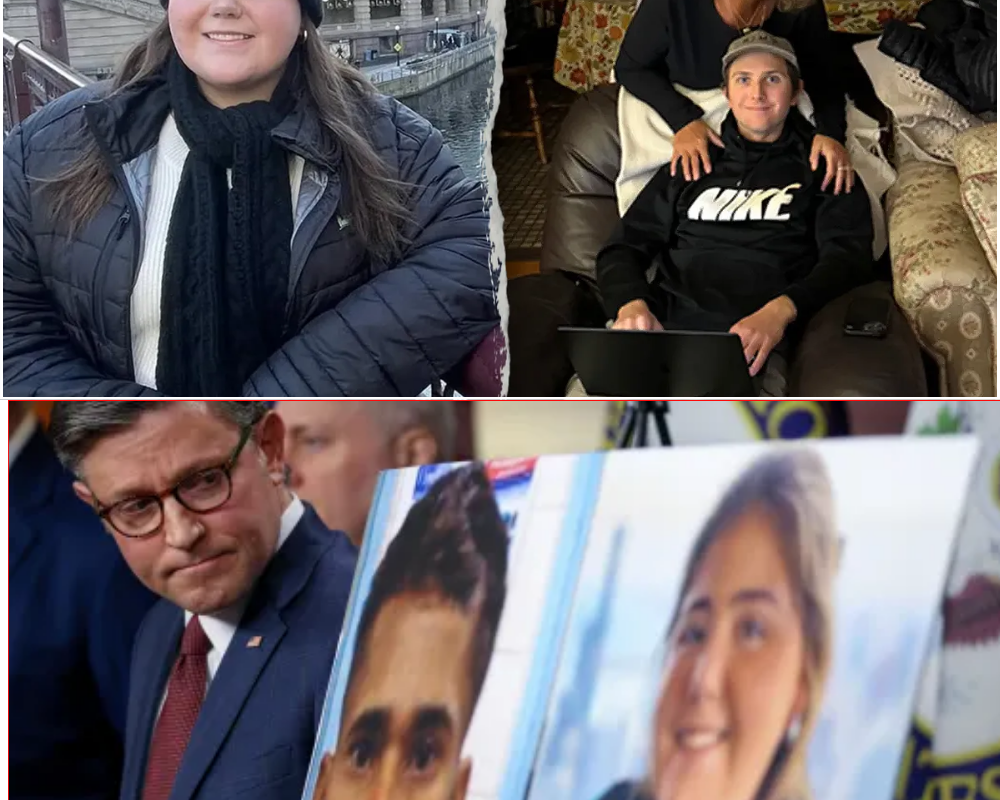
Sheridan Gorman’s parents declare “Our daughter is not a policy debate” as they demand real accountability from Pritzker and Johnson five days after her murder near Loyola University 👀
The parents of Sheridan Gorman sat in their Yorktown Heights living room on March 26, 2026, surrounded by photographs of their daughter smiling in her Loyola University hoodie, and released…
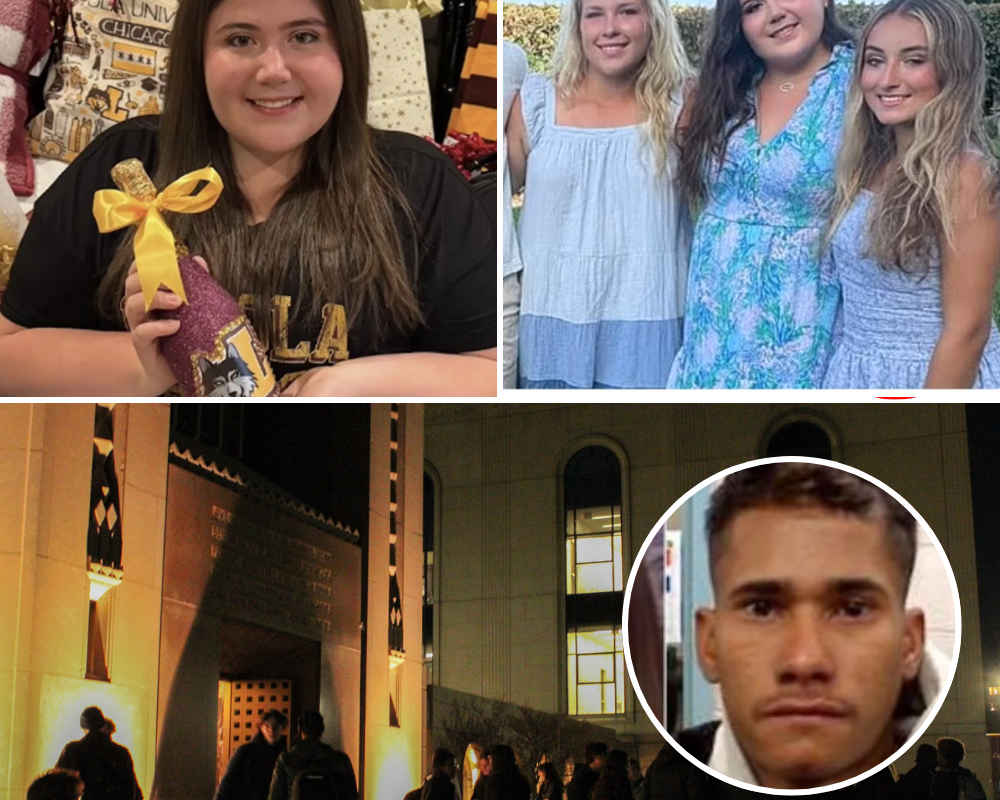
🌙 At around 1 a.m., Sheridan Gorman, 18, and her friends went to the pier near Tobey Prinz Beach hoping to see the Northern Lights. She suddenly warned them about a masked man — then a single shot was fired 💔
The night began with laughter and the kind of easy excitement only college freshmen can share. Sheridan Gorman, 18, fresh-faced and full of that unbreakable New York energy, had texted…
💖 Keanu Reeves Quietly Gives Away His Whole Big 2026 Bonus to Help Kids Fighting Cancer – “This Isn’t About Headlines” 😢
Keanu Reeves has once again proven that his greatest performances happen far away from any camera. Following the successful wrap of a major 2026 film project, the actor made a…
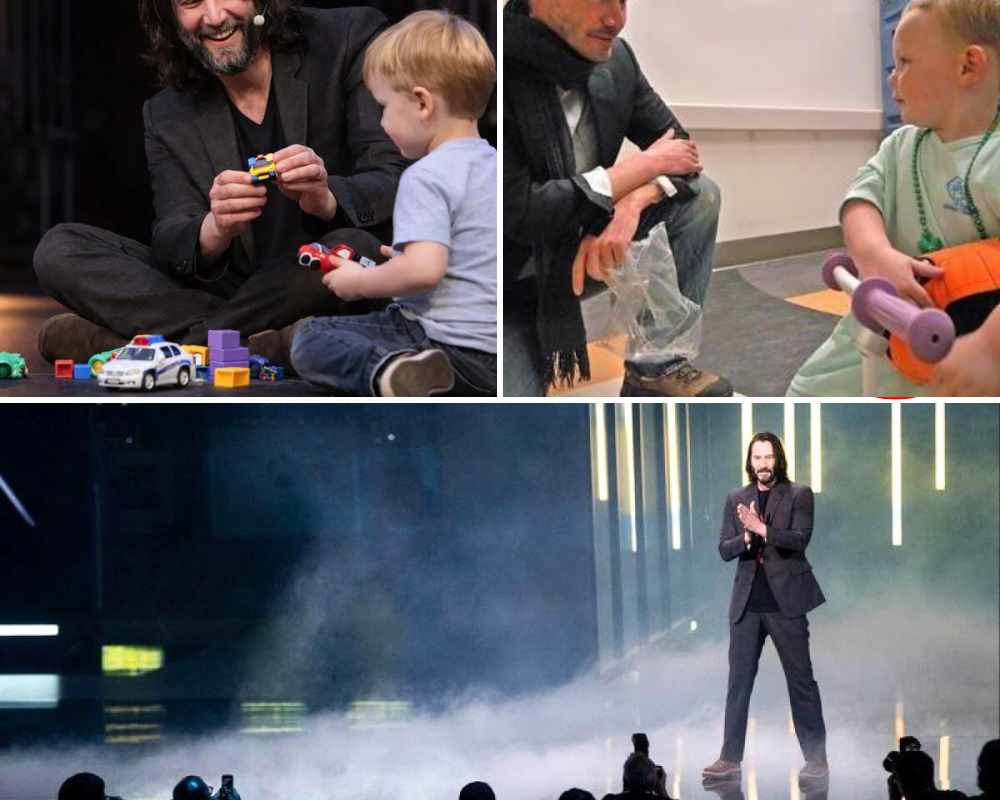
😲 Keanu Left His Chair Mid-Interview and Walked Straight to a Sick Little Girl… The Moment That Made the Whole Arena Hold Its Breath
The arena in Los Angeles pulsed with electric anticipation on the evening of March 19, 2026. Nearly 18,000 fans filled the seats for what was billed as a special fan…
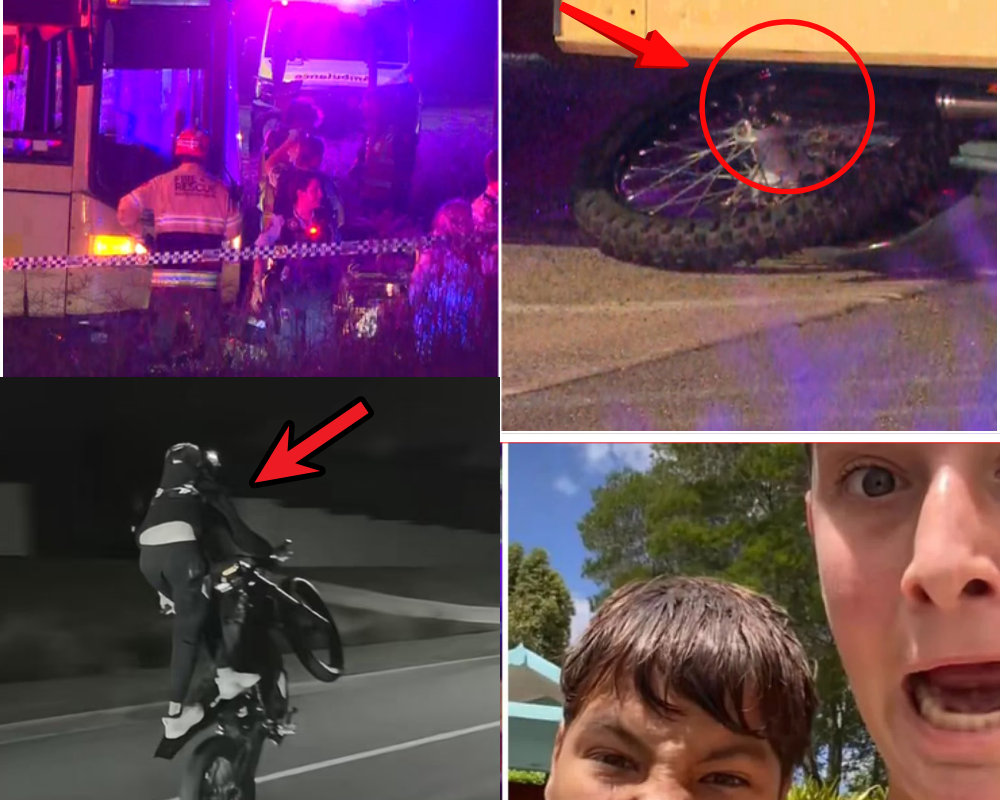
😢 “Gone Too Soon” – Parents Watched Helplessly While Paramedics Tried Everything… The Tragic Story of Best Mates William & Adrian Killed on Illegal Trail Bike Ride
The screech of brakes and the sickening crunch of metal shattering the quiet of a Sydney autumn evening still echoes through Bossley Park. Around 7:15pm on Monday, March 23, 2026,…
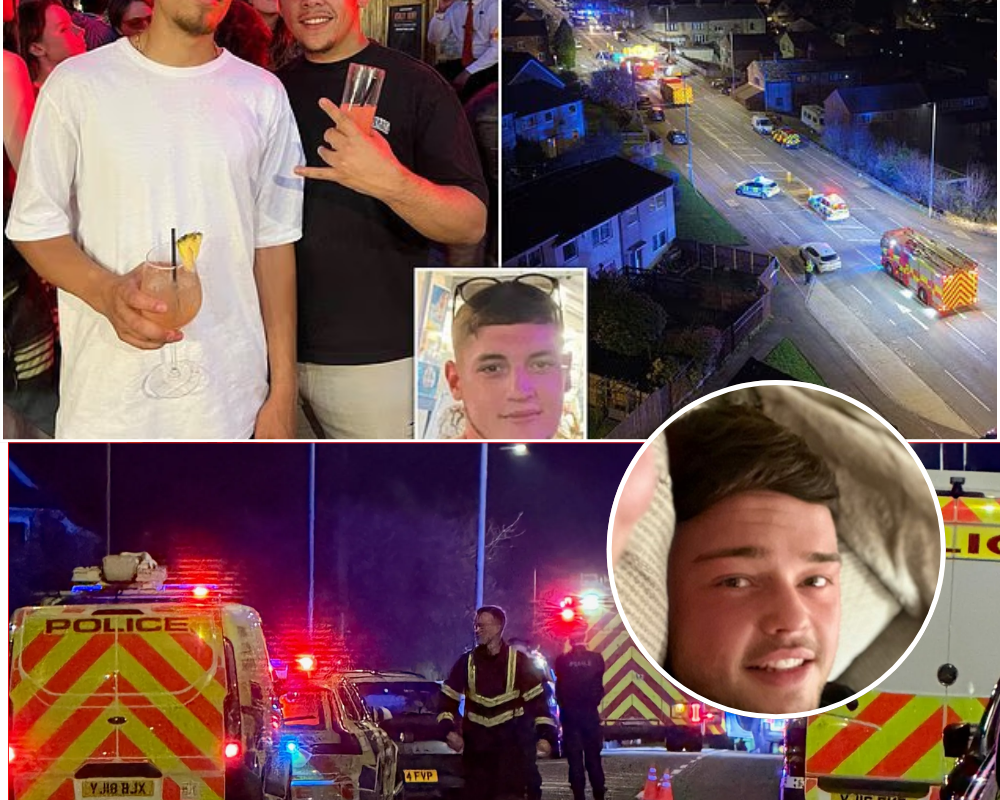
🚨 Heartbreaking Tragedy: Three Best Friends Killed In Horrific Car Crash While A Fourth Friend Fights For His Life In Intensive Care 😭💔
A devastating road crash in West Yorkshire has left a close-knit group of four young friends shattered beyond repair, with three of them tragically killed at the scene and their…
End of content
No more pages to load