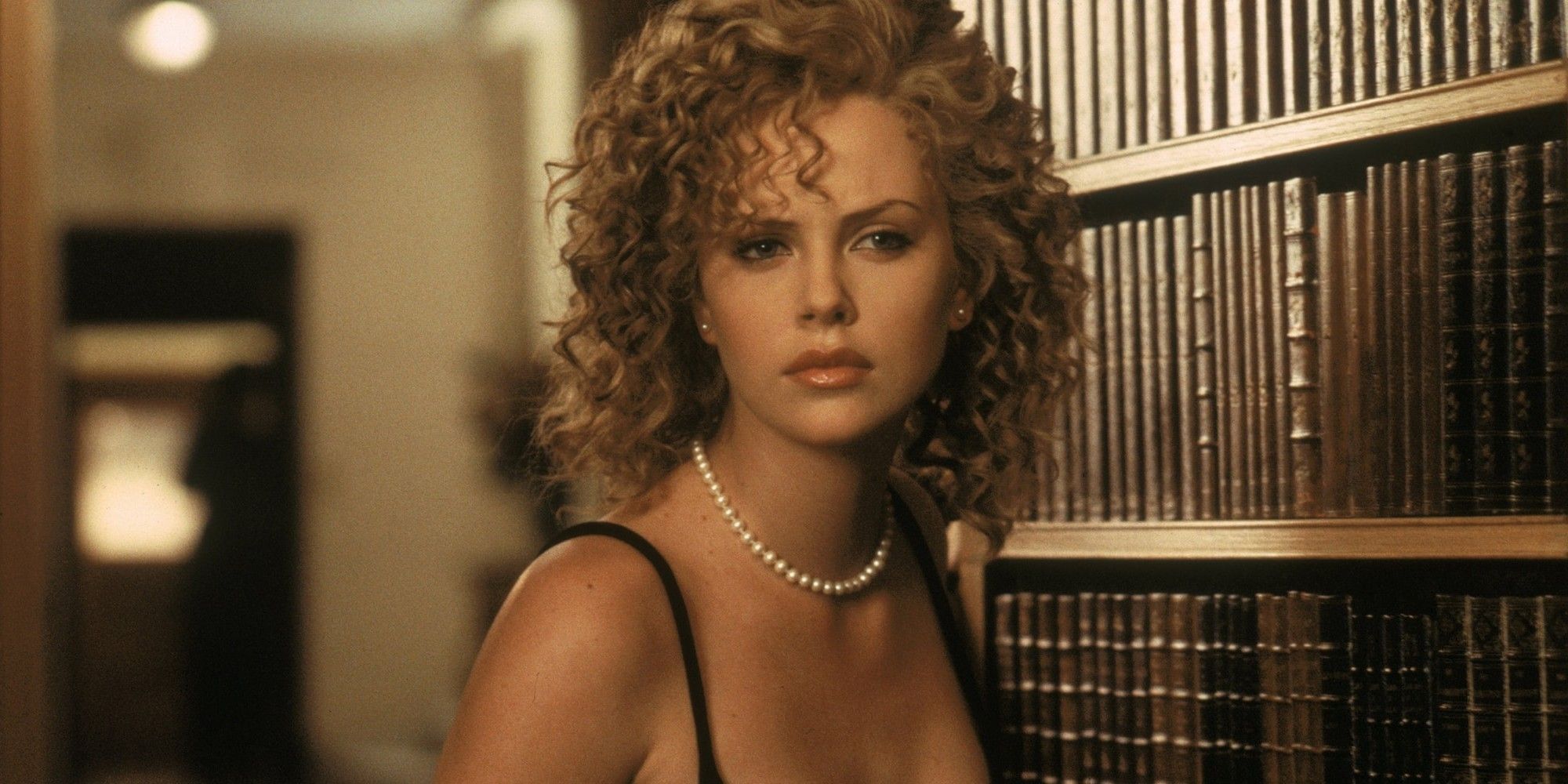
a young, ambitious lawyer, played with brooding intensity by Keanu Reeves, stands at the precipice of unimaginable power. His devoted wife, portrayed by a radiant Charlize Theron in one of her breakout roles, unravels under the weight of supernatural horrors that blur the line between reality and damnation. Al Pacino, as the charismatic yet sinister boss, delivers monologues that could tempt even the most steadfast soul. This is the electrifying world of The Devil’s Advocate (1997), a film that not only launched Theron into the spotlight but also forged an unbreakable friendship between her and Reeves—one that has endured Hollywood’s cutthroat chaos for nearly three decades.
Fast-forward to 2025, and Theron is still singing Reeves’ praises in a candid interview with The Hollywood Reporter. “He’s one of the most loyal friends I’ve ever had,” she gushed, reflecting on their shared history. It’s a sentiment that resonates deeply in an industry where alliances often crumble under the glare of fame. But what makes this duo so captivating? Is it their on-screen chemistry that sizzled like forbidden fire, or the off-screen camaraderie that defies the odds? In this deep dive, we’ll unravel the story behind their iconic collaboration, explore the film’s lasting impact, trace their meteoric careers, and ponder the tantalizing possibility of a third joint venture. Buckle up—this tale of temptation, triumph, and timeless friendship is sure to ignite your curiosity.
The Genesis of a Cinematic Inferno: Unpacking ‘The Devil’s Advocate’
Released on October 17, 1997, The Devil’s Advocate wasn’t just another legal thriller; it was a supernatural morality play that dared to ask: What would you sacrifice for success? Directed by Taylor Hackford, the film adapts Andrew Neiderman’s 1990 novel, with a screenplay by Jonathan Lemkin and Tony Gilroy that weaves biblical allusions into a modern Faustian bargain. At its core is Kevin Lomax (Reeves), a hotshot Florida defense attorney with an unblemished record, who gets headhunted by the enigmatic John Milton (Pacino) to join his elite New York firm. Kevin’s wife, Mary Ann (Theron), accompanies him, but as Kevin dives deeper into the firm’s corrupt underbelly, Mary Ann is plagued by horrific visions—demons, barren wombs, and a descent into madness that culminates in her tragic suicide.
The plot twists like a serpent: Kevin discovers Milton is none other than Satan himself, and worse, his biological father. The climax explodes in a whirlwind of revelations, including Milton’s plan for Kevin to sire the Antichrist with his half-sister Christabella (Connie Nielsen). In a shocking reversal, Kevin chooses self-sacrifice, only for the film to loop back in a mind-bending epilogue where vanity—Satan’s “favorite sin”—rears its head again. Themes of free will, temptation, and moral decay draw heavily from John Milton’s Paradise Lost, Dante’s Inferno, and the Faust legend. As Roger Ebert noted in his review, the film cleverly gives the devil more dialogue than the lawyers, turning it into a philosophical showdown.
Production was a hellish affair itself. With a $57 million budget, filming spanned New York landmarks like Trump Tower (standing in for billionaire Alex Cullen’s penthouse) and Florida courtrooms. Pacino, who turned down the role three times before accepting, prepared by immersing himself in literary devils from The Devil and Daniel Webster to Dante. Reeves, fresh off Speed (1994), took a pay cut to ensure Pacino’s involvement, showcasing early signs of the generosity that would define his career. Theron, then 22 and relatively unknown after bit parts in 2 Days in the Valley (1996), auditioned fiercely for Mary Ann—a role that demanded vulnerability amid grotesque hallucinations, including a infamous scene where her ovaries are “stolen” in a nightmare.

Visual effects, costing $2 million for sequences like animated sculptures coming to life, added to the film’s eerie allure. James Newton Howard’s score amplified the tension, while songs like The Rolling Stones’ “Paint It Black” punctuated the finale. Box office-wise, it was a smash: opening to $12.2 million and grossing $153 million worldwide against competition from slashers like I Know What You Did Last Summer. Critics were mixed—Rotten Tomatoes sits at 65%, praising Pacino’s scenery-chewing but critiquing the tonal clash between courtroom drama and horror. Yet, as one analysis points out, the film’s use of mirrors as metaphors for self-deception elevates it to a profound exploration of ambition’s dark side.
What truly electrifies the film, though, is the dynamic between Reeves and Theron. Kevin’s ambition blinds him to Mary Ann’s suffering, creating a heartbreaking contrast that mirrors real-life marital strains. Theron’s performance, raw and unflinching, hinted at the Oscar-winning depth she’d later unleash.
Sparks on Screen: The Undeniable Chemistry of Reeves and Theron
From their first shared scene—a tender moment amid Florida’s humid courtrooms—to the harrowing New York breakdowns, Reeves and Theron’s portrayals pulse with authenticity. Reeves brings a quiet intensity to Kevin, his everyman charm masking inner turmoil, while Theron infuses Mary Ann with a fragility that shatters hearts. Their chemistry isn’t just romantic; it’s a tragic symphony of love eroded by evil.
Critics raved about this pairing. In a 1997 review, Variety called it “absurd but entertaining,” noting how Theron’s “haunting vulnerability” grounds Reeves’ ascent into corruption. Off-screen, their bond formed quickly. Theron, a South African newcomer navigating Hollywood’s pitfalls, found a kindred spirit in Reeves, whose own tragedies (the loss of his stillborn daughter and best friend River Phoenix) fostered empathy. Rumors of a brief romance swirled in the early 2000s, fueled by paparazzi shots, but both have always emphasized friendship. As Theron recently clarified, Reeves is an “enigma” who “goes by his own clock,” but always shows up—professional, loyal, and profound.
This connection extended to training montages years later. While prepping for Atomic Blonde (2017), Theron sparred with Reeves during his John Wick: Chapter 2 (2017) sessions. “He took mercy on me,” she laughed in interviews, highlighting their mutual respect for action prowess.
Rising from the Ashes: Their Post-1997 Career Explosions
After The Devil’s Advocate, Reeves skyrocketed with The Matrix (1999), where his Neo became a cultural icon, spawning sequels and grossing billions. He diversified with The Replacements (2000), then dominated the 2010s with the John Wick franchise—four films (and counting) that redefined action cinema, earning over $1 billion collectively. Reeves’ kindness shines through: gifting Harley-Davidsons to stunt teams and donating salaries to leukemia research. Recent highlights include voicing Shadow in Sonic the Hedgehog 3 (2024) and reprising Neo in The Matrix Resurrections (2021).

Theron, meanwhile, transformed from ingénue to powerhouse. Her Oscar win for Monster (2003) as serial killer Aileen Wuornos proved her range, followed by blockbusters like The Italian Job (2003) and Hancock (2008). She conquered action with Imperator Furiosa in Mad Max: Fury Road (2015), a role that redefined female heroes and earned critical acclaim. Philanthropy defines her too: founding the Charlize Theron Africa Outreach Project in 2007 and serving as a UN Messenger of Peace. Hits like Atomic Blonde (2017), The Old Guard (2020), and its sequel underscore her versatility.
A Sweet Reunion: ‘Sweet November’ and Beyond
Their second collaboration, Sweet November (2001), shifted gears to romance. Reeves as workaholic Nelson Moss falls for Theron’s free-spirited Sara Deever, who has terminal cancer and lives month-to-month with “projects” like him. Directed by Pat O’Connor, this remake of the 1968 film grossed $65.8 million but drew Razzie nominations for its “schmaltzy” plot. Still, their chemistry—tender dates in San Francisco, heartfelt confessions—echoed The Devil’s Advocate‘s intimacy, minus the demons.
Off-screen, their friendship deepened. Theron publicly wished Reeves happy birthday in 2020: “I love this handsome human.” They’ve collaborated creatively too, with Theron contributing to Reeves’ book Ode to Happiness (2011). Fans adore this “rare Hollywood bond,” as one Instagram post declares.
The Future Beckons: Will They Reunite?
Theron isn’t mincing words: “We are really trying… We want to find the thing that is really worthy.” Ideas float—an action flick, perhaps, blending their stunt skills. With Reeves eyeing John Wick 5 and Theron in The Old Guard 2, timing is key. But as Theron notes, they’re “family.”
Why Their Story Captivates Us
In a world of fleeting fame, Theron and Reeves remind us that true connections endure. From The Devil’s Advocate‘s infernal depths to their loyal friendship, they’ve proven that Hollywood can birth not just stars, but souls intertwined. As Theron said, you can “pick up exactly where you left off” with Reeves. Isn’t that the ultimate temptation worth succumbing to?